 Plumbing Advisors Editorial TeamEditorial StandardsUpdated July 5, 2026Source-Checked
Homeowners insurance typically does not cover sewer line replacement when the pipe fails from age, corrosion, tree-root intrusion, shifting soil, or other gradual damage. Coverage is more likely only when a specific covered peril causes the loss, and even then, policy language matters. Read the dwelling, exclusions, and endorsements sections carefully before assuming a claim will be paid.
What does homeowners insurance usually cover for sewer lines?
Most standard homeowners policies are designed to cover sudden, accidental damage caused by named or open-peril events, depending on the policy form. That means a sewer line claim often comes down to why the pipe failed, not just the fact that it failed. If a line is crushed by a vehicle impact, damaged during a fire, or affected by another covered event, the policy may respond differently than it would for an old pipe that simply wore out underground.
In many cases, the policy may also separate the pipe itself from resulting property damage. For example, interior water damage from a covered event may be treated differently from the cost to excavate and replace the buried line. The exact answer depends on how your insurer defines the structure, buried utility lines, excluded causes of loss, and any added endorsements. That is why homeowners should review the declarations page and full policy wording, not just a summary.
When is sewer line replacement usually excluded?
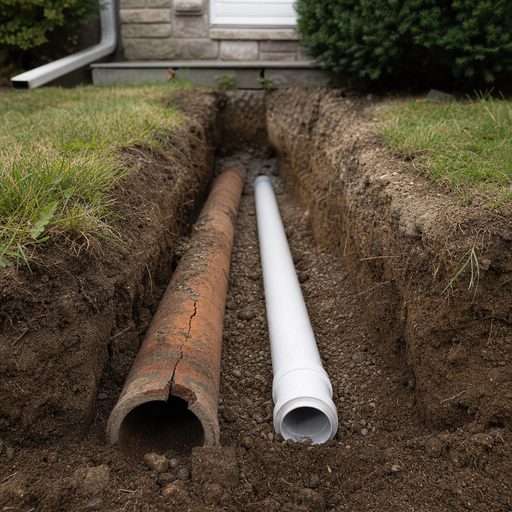
Sewer line replacement is commonly denied when the cause is considered maintenance-related or gradual. Insurers typically look closely at age, deterioration, corrosion, mineral buildup, root intrusion, repeated backups, and long-term soil movement. Those issues are usually seen as ownership and upkeep problems rather than sudden accidental losses. If the line has been declining for years, a claim is less likely to fit within standard policy coverage.
Another common issue is pre-existing damage. If there were earlier warning signs, such as slow drains, recurring clogs, sewage odors, soggy areas in the yard, or repeated snaking of the line, an insurer may argue the problem developed over time. This is one reason it helps to understand the difference between Sewer Line Repair and Sewer Line Replacement. A professional camera inspection and written diagnosis can be useful for identifying whether the damage appears sudden, localized, or part of a longer pattern.
- Wear, tear, age, and corrosion are typically excluded.
- Tree-root intrusion is often treated as gradual damage, not a sudden peril.
- Ground settling, shifting, or collapse may be covered only in narrow situations defined by the policy.
- Damage that existed before the policy period is usually not covered.
- The pipe itself and damage caused by a backup may be handled under different parts of the policy.
Should you add a service-line endorsement?
If your insurer offers service-line coverage, it can be worth a close look. These endorsements are designed for buried exterior lines that serve the home, such as sewer, water, drainage, and sometimes electrical or data lines. Coverage details vary, but the purpose is to fill a gap that standard homeowners policies often leave open. Homeowners with older homes, mature trees, or long runs from the house to the street often ask about this option before a problem happens.
Some utility companies also market line-warranty programs for exterior service lines. Those plans are not the same as homeowners insurance, and they do not all cover the same failures, limits, restoration work, or exclusions. Read the fine print carefully and compare it with any endorsement already available through your insurer. If you are already researching How Much Does Sewer Line Replacement Cost?, that is usually a sign to review protection options now rather than after a backup or excavation emergency forces a fast decision.
Document the damage early
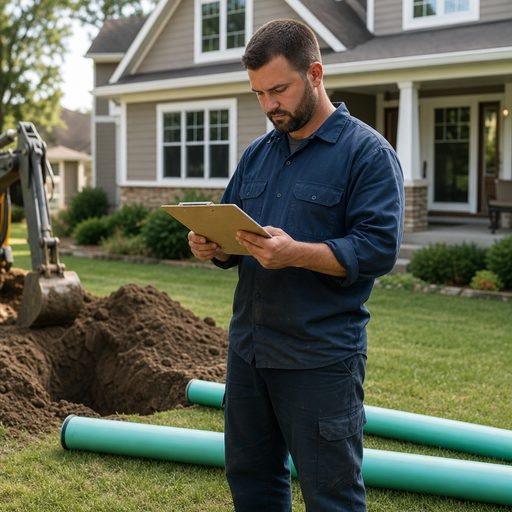
If you think a covered event damaged the sewer line, take photos of affected areas, keep notes on when symptoms began, save drain camera findings, and ask for written diagnoses. Clear documentation can help an insurer understand whether the problem appears sudden or long-developing.
How do you file a sewer line claim the right way?
Start by reading your policy before authorizing major work beyond immediate damage control. Then report the loss to your insurer and describe what happened as clearly and factually as possible. Avoid guessing about the cause if you do not know it yet. Instead, explain the symptoms, timeline, and any event that may have triggered the failure. If sewage is entering the home, limit exposure and move people and belongings away from contaminated areas while you arrange professional help.
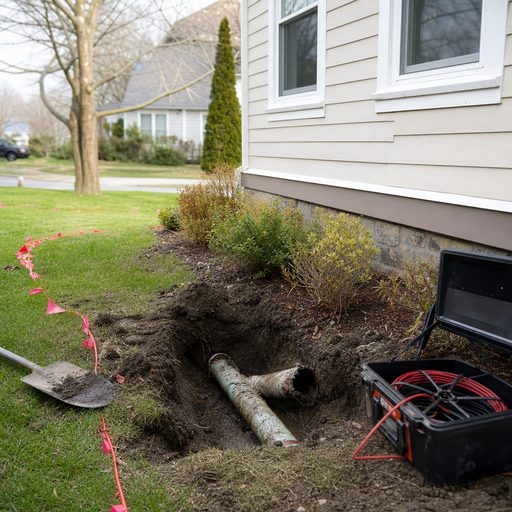
Ask the plumber for photos, video footage if a sewer camera was used, and a written explanation of the likely cause. That documentation can matter if the insurer needs evidence distinguishing a sudden break from long-term deterioration. If the line can be repaired rather than fully replaced, compare the findings with Sewer Line Repair vs. Replacement. Also review Signs of a Sewer Line Problem so you can note whether earlier symptoms were present. For the actual work, you may end up needing either Sewer Line Repair or Sewer Line Replacement depending on the pipe condition and location of the failure.
What should homeowners do before a sewer line emergency happens?
The best time to understand sewer line coverage is before you need it. Check whether your policy mentions buried utility lines, excavation, outdoor property, backups, or service-line endorsements. Confirm the difference between coverage for the damaged pipe and coverage for damage inside the house. Keep records of inspections, prior drain cleaning, and any known pipe material, especially if the home is older or has a history of recurring clogs.
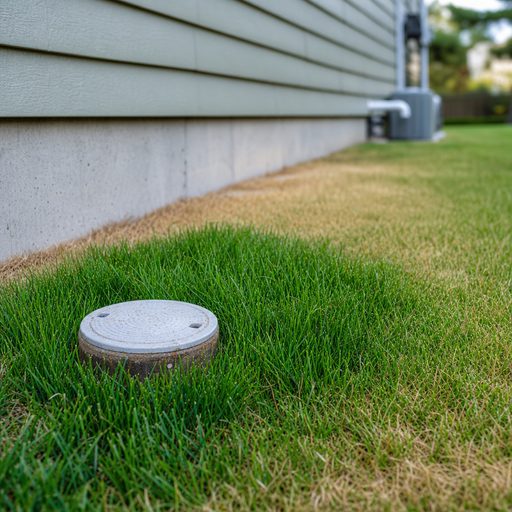
It also helps to watch for early warning signs. Slow drains across multiple fixtures, gurgling toilets, sewer odors, lush patches of yard, or standing wastewater near cleanouts can all point to a developing line problem. Spotting those symptoms early may limit interior damage and give you more time to sort out whether an insurance claim, endorsement claim, or direct repair decision makes sense. Even when coverage is uncertain, fast documentation and a clear diagnosis usually put homeowners in a stronger position.
Does homeowners insurance cover sewer backups inside the house?
It can, but typically only if your policy includes a sewer or water backup endorsement or the loss fits a covered cause under the policy wording. Coverage for cleanup and damage to floors, walls, or belongings is often treated separately from coverage for the buried sewer pipe itself. Check both the endorsements and exclusions.
Will insurance pay to dig up the yard for a sewer line problem?
Sometimes excavation and access work are addressed only if the underlying pipe damage is covered under the policy or an added service-line endorsement. In many situations, restoration of landscaping, driveways, or walkways may also have separate limits or exclusions. Read the endorsement details carefully and ask the insurer how access and restoration are handled.
Are tree roots in a sewer line covered by insurance?
Tree-root damage is often treated as gradual or maintenance-related, which means standard homeowners insurance may not respond. Still, wording varies by insurer and endorsement, so it is not wise to assume the answer without reading the policy. A camera inspection can help show whether roots are the primary cause and how extensive the damage is.
What paperwork helps with a sewer line insurance claim?
Useful records include photos of damage, notes on when symptoms started, receipts for emergency mitigation, plumber reports, sewer camera images or video, and any prior maintenance records. If a specific event may have triggered the failure, document that timeline as well. The more clearly you can show cause and progression, the easier the claim review tends to be.
Sources and further reading
These references support material safety, technical, consumer, or planning guidance in this article. Confirm property-specific requirements with the applicable authority and professional.