
Faucet and Sink Repair
Faucet and Sink Repair in Norwalk, CT
Homeowners planning faucet & sink repair in Norwalk, CT should note when the leak or flow problem appears and whether hot, cold, or drainage use changes it. That keeps the Connecticut conversation focused on observable conditions while the actual cause and repair boundary remain subject to inspection.
Plumbing Advisors provides guidance and connection assistance. Independent providers perform the plumbing work and confirm availability, pricing, timing, and credentials.
On this pageOverview
 Plumbing Advisors Editorial TeamEditorial StandardsSource-Checked
Homeowners planning faucet & sink repair in Norwalk, CT should note when the leak or flow problem appears and whether hot, cold, or drainage use changes it. That keeps the Connecticut conversation focused on observable conditions while the actual cause and repair boundary remain subject to inspection.
The quick answer
- Typical cost
- Leaky faucet repair typically costs $160 to $490. The final cost depends on the confirmed scope, access, parts or equipment, labor, timing, and related work.
- Repair or replace
- When a faucet acts up, the choice is usually between swapping a worn part and putting in a new fixture.
- Get help fast
- Describe the problem and we'll connect you with independent faucet & sink repair pros serving Norwalk, CT — no obligation.
Faucet and Sink Repair in Norwalk
Faucet and sink repair covers the everyday fixtures you use the most: the kitchen and bathroom faucets, the supply valves and lines feeding them, the sink basin and its seals, and the drain assembly underneath. Most problems start small. A worn washer lets a faucet drip, a loosened compression fitting weeps a few drops a day, or mineral buildup chokes the flow at an aerator. Left alone, a slow drip wastes a surprising amount of water over a year, and a hidden under-sink leak can quietly warp a cabinet floor or feed mold.
The good news is that fixtures are one of the more approachable corners of home plumbing. Many issues come down to a few inexpensive internal parts, and the fix is straightforward for a professional once the cause is identified. The harder questions are usually whether a tired faucet is worth rebuilding or better replaced, and whether a leak is coming from the fixture itself or from the connections below. Plumbing Advisors is a national service that helps you sort out what you are dealing with and connects you with plumbing professionals who work in your area.
Signs you may need faucet and sink repair in Norwalk
A faucet drips when fully closed
A faucet that keeps dripping after you shut it off usually has a worn washer, O-ring, or cartridge inside. The parts are small, but the steady drip adds up on your water bill over time.
Moisture or pooling under the sink
Dampness in the cabinet, a musty smell, or water pooling on the base points to a leak at the supply connections, the drain, or a worn seal. Catching it early keeps the cabinet and floor from being damaged.
Weak pressure at one fixture
If flow is weak at a single faucet while the rest of the home is fine, the culprit is often a clogged aerator or a partly closed supply valve. Low pressure throughout the home points to a broader cause.
The handle is loose or stiff
A handle that wobbles, spins, or feels gritty to turn often means a worn cartridge or loose internal hardware. It tends to get worse with use and can lead to a drip.
Rust, corrosion, or stains at connections
Green or white crust on supply lines and fittings, or rust around the base of the faucet, signals aging connections that may be close to leaking. These are worth inspecting before they let go.
Sprayer or diverter not working
A pull-out sprayer that will not switch, leaks at the hose, or sticks in one mode usually has a failing diverter or a worn hose. It is a common wear item on kitchen faucets.
Causes and scope drivers to inspect
- Worn washers, O-rings, or cartridges
- Loose or corroded supply line connections
- Mineral buildup in the aerator or valve
- A failing faucet that has reached its lifespan
- Damaged seals at the sink or drain
Repair vs. replace the faucet
When a faucet acts up, the choice is usually between swapping a worn part and putting in a new fixture. A professional can tell you which makes more sense for yours.
Repair it
If the faucet body is solid and the finish is in good shape, a repair is often the practical choice. Drips, stiff handles, and weak flow frequently trace back to a washer, O-ring, cartridge, or aerator that costs little to replace. This is the budget-friendly path for a faucet that is otherwise serving you well.
Replace it
Replacement starts to make sense when parts are hard to find, the finish is corroded or pitted, the faucet has failed more than once, or the base is leaking where it meets the sink. A newer fixture can also improve flow and reliability. If you were already planning to update the look, this is often the moment to do it.
How much does faucet & sink repair cost in Norwalk?
For faucet & sink repair in Norwalk, CT, compare itemized quotes for the same inspected scope. Access, testing, parts or equipment, permits, restoration, and urgency can change the final price.
Typical plumbing rates in Norwalk, CT
| Service | Typical cost range |
|---|---|
| Service call | $85–$215 per visit |
| Minimum visit charge | $130–$300 per visit |
Hourly labor rates
| Labor | Typical cost range |
|---|---|
| Residential plumbing labor | $125–$235 per hour |
Emergency pricing factors
| Factor | Typical range |
|---|---|
| After-hours or emergency factor | 1.47x–2.67x |
Typical faucet & sink repair costs in Norwalk, CT
| Project | Typical cost range |
|---|---|
| Leaky faucet repair | $160–$490 |
| Cartridge replacement | $180–$530 |
| Washer or O-ring replacement | $130–$395 |
| Bathroom sink faucet repair | $160–$500 |
| Sink drain / connection leak repair | $155–$530 |
Service-call fees
| Service | Typical cost range |
|---|---|
| Diagnostic / service call | $130–$300 per visit |
Labor-only project costs
| Labor | Typical cost range |
|---|---|
| New faucet installation (labor) | $170–$555 |
Cost ranges are estimates developed from standardized project scopes and reviewed pricing inputs. Government labor and regional cost data are used where applicable. See our Pricing Methodology for the exact sources, calculations, and review date. Actual prices vary by property, scope, materials or equipment, location, and provider.
What affects the cost
- Whether it is a quick washer or O-ring swap versus a full cartridge or valve job
- Fixture type and quality (basic vs. high-end or specialty faucet)
- Accessibility under the sink and condition of supply lines and shutoffs
- Whether parts are still available for an older or discontinued faucet
- After-hours or emergency visits, which carry higher rates
Planning faucet & sink repair in Norwalk
A useful local scenario
A Norwalk, CT service request may begin with "A fixture is loose or does not operate smoothly". Note when it happens, which fixtures or equipment are involved, and whether the pattern changes when another part of the system is used. Those observations guide the inspection; they do not prove a diagnosis for a property in Connecticut.
Property and access planning
Before an appointment in Norwalk, prepare cabinet access, shutoff condition, hole pattern, supply connections, trap, and countertop fit. The professional should confirm the property-specific scope and any applicable Connecticut or local requirements before work begins. For the Norwalk, CT estimate, ask the professional to identify the inspected component or system, the planned access point, and the exclusions that apply to the Norwalk property.
Credential checks in Connecticut
Plumbing in Connecticut is regulated statewide by the Department of Consumer Protection (DCP), working with the Examining Board for plumbing and piping. For most plumbing work, hire a state-licensed plumber and verify the license through the DCP's online license lookup.
DCP issues an Unlimited Plumbing Contractor license (P-1), which authorizes all plumbing and piping work, and an Unlimited Journeyperson Plumber license (P-2), who performs that work while employed by a licensed contractor. There are also limited license categories (for example, P-6 and P-7 for sewer, storm, and water lines), so it is fair to confirm the holder is licensed for your specific job.
Permits and inspections in Connecticut
Permits and inspections are administered locally by each municipality's building official, even though licensing is statewide. Regulated plumbing work generally requires a licensed plumber to pull the permit, though Connecticut law lets owner-occupants of a single-family home do and permit their own work, subject to inspection and approval by the local building official and the State Building Code. Minor like-for-like repairs are often exempt, but always check with your town's building department first.
Relevant water context in Connecticut
Water hardness in Connecticut ranges from soft to hard depending on geology and source. Coastal and many public-supply areas tend toward softer water, while parts of the northern and northwestern state can be harder due to mineral-rich rock formations. Many residents on private wells also deal with iron, manganese, or corrosivity, so testing and appropriate treatment help protect plumbing.
Get matched with a faucet & sink repair pro in Norwalk
Tell us what's going on and we'll connect you with independent faucet and sink repair help serving Norwalk, CT.
No-obligation request · Availability varies by location and provider
What a faucet & sink repair visit includes
- Inspecting the faucet, sink, supply valves, and drain connections
- Identifying the source of the drip, leak, or pressure problem
- Shutting off the fixture supply and relieving pressure before work
- Replacing worn washers, O-rings, cartridges, or aerators
- Resealing or reconnecting supply lines and the drain as needed
- Installing a new faucet or sink when replacement is the better option
- Testing for leaks and confirming proper hot and cold flow
What to expect at the appointment
- 1Identify the leaking or malfunctioning fixture
- 2Shut off the fixture supply valve if it is leaking
- 3Connect with a plumbing professional that services your area
- 4Have the faucet, sink, and connections inspected
- 5Repair or replace worn parts or the fixture
- 6Test for leaks and confirm proper flow
What to do first
- Clean the faucet aerator to improve weak flow
- Check the under-sink connections for moisture
- Shut off the fixture supply valve if it is leaking
- Note whether hot, cold, or both are affected
How to choose a faucet & sink repair pro in Norwalk
- Confirm the professional is licensed and insured where your state requires it
- Ask for a written estimate before work begins
- Get the scope itemized so you can see parts versus labor
- Ask whether they recommend repair or replacement and why
- Check that the work and any new fixture carry a warranty
- Read recent reviews and look for clear, straightforward communication
How Plumbing Advisors helps
Plumbing Advisors helps you tell whether a fixture needs a small part or a replacement, then connects you with plumbing professionals that service your area. Catching an under-sink leak early protects your cabinets and floor. Availability and pricing vary by location and provider.
Faucet and Sink Repair in Norwalk: FAQs
How should I prepare for a faucet & sink repair visit in Norwalk, CT?
For the Norwalk, CT visit, prepare cabinet access, shutoff condition, hole pattern, supply connections, trap, and countertop fit. Keep the project address and any prior findings available, then ask the professional to confirm the inspected scope and applicable Connecticut or local requirements in writing.
What can change a faucet & sink repair quote in Norwalk, CT?
For Norwalk, CT, one important scope driver is how accessible the connections are under the sink. Access, testing, parts or equipment, permits, restoration, and urgency may also matter. Compare itemized quotes for the same inspected scope rather than relying on an unsupported Connecticut price.
Why do faucet repair prices vary so much?
The biggest drivers are the type of repair, the fixture itself, and access. A quick washer change is far cheaper than replacing a cartridge or valve, and older or specialty faucets can need pricier or hard-to-find parts. Local labor rates and after-hours visits also move the total.
Why does my faucet keep dripping?
A persistent drip is usually a worn washer, O-ring, or cartridge inside the faucet. These parts wear out with use. Replacing them typically stops the drip.
What causes low water pressure at one faucet?
Low pressure at a single faucet is often a clogged aerator or a partially closed supply valve. If pressure is low throughout the home, the cause is usually broader. Our low water pressure guide has more.
Is an under-sink leak urgent?
It is worth addressing soon. Even a slow leak under a sink can damage the cabinet and floor and encourage mold. Catching it early keeps the repair simple.
Sources and local references
These primary and public-agency references support the safety, credential, permit, efficiency, equipment, or local-system guidance used on this page. They do not diagnose a specific property.
- U.S. EPA WaterSense - Residential toilets
- U.S. EPA WaterSense - Bathroom faucets
- CT Department of Consumer Protection — plumbing licenses and scope of work
- CT Department of Consumer Protection — plumbing and pipefitting licensing
- CT Department of Public Health — hard water and softeners (private wells)
- Connecticut General Assembly (OLR) — repairs by homeowners
Problems that may lead to faucet & sink repair
Faucet & Sink Repair in nearby cities

Faucet and Sink Repair guides
Learn before your faucet & sink repair in Norwalk.
Free guides on cost, common problems, repairs, and what to expect — written to help you make the call with confidence.
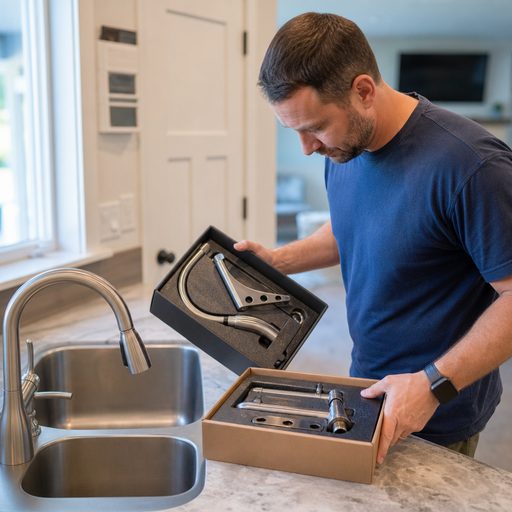
How to Choose a New Kitchen or Bathroom Faucet
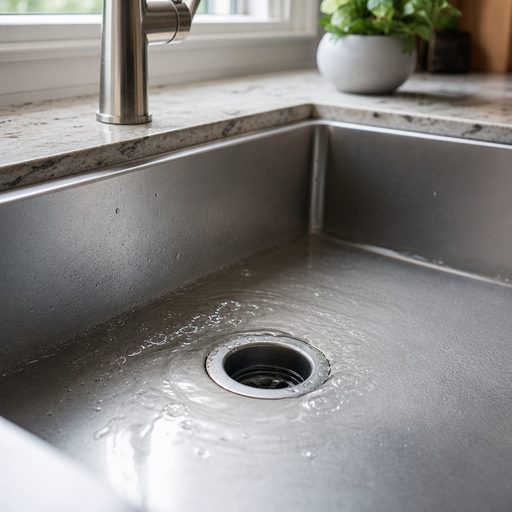
Common Sink Drain Problems and What Causes Them

Should You Repair or Replace a Faucet?
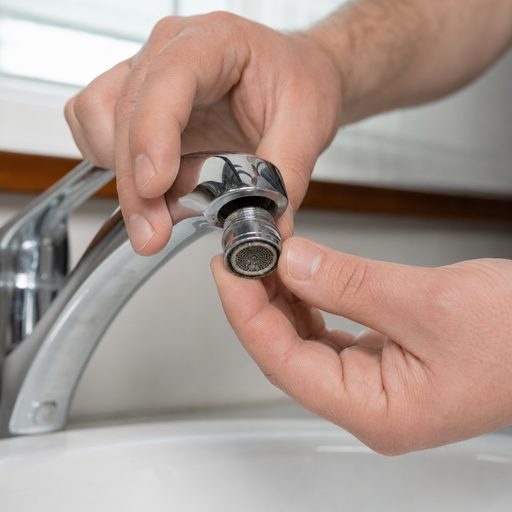
Low Water Pressure at One Faucet: What to Check
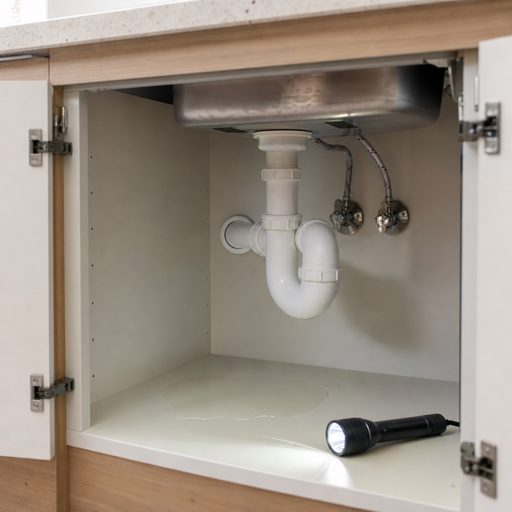
Why Is My Sink Leaking Under the Cabinet?
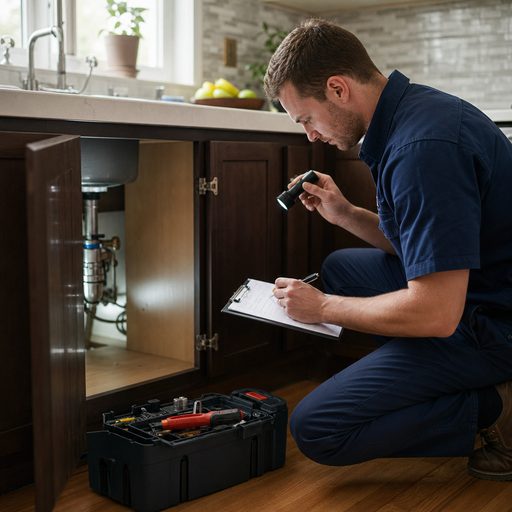
What Does Faucet and Sink Repair Cost?
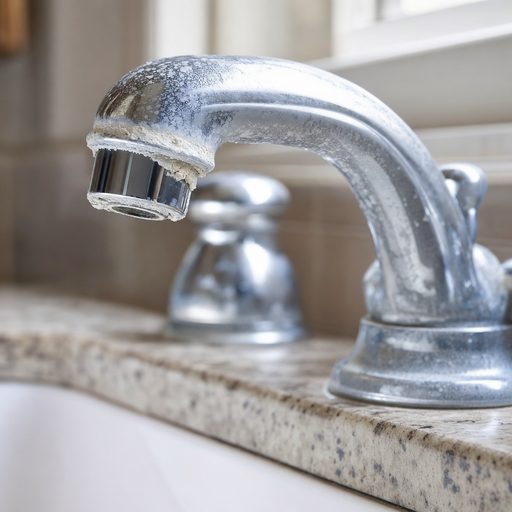
Dealing With Hard Water in Texas
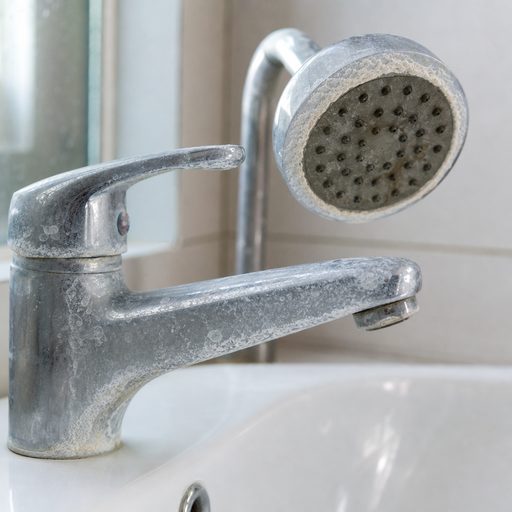
Signs of Hard Water in Your Home
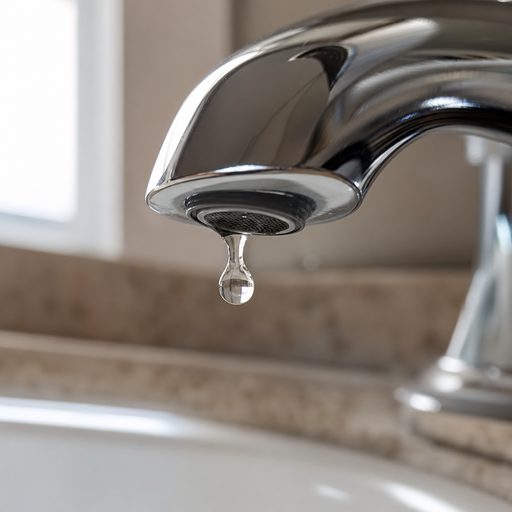
What Causes a Dripping Faucet?
Need Plumbing Help Now?
Call Plumbing Advisors to connect with help for leaks, drains, water heaters, sewer lines, burst pipes, toilets, faucets, and more.
No-obligation request · Availability varies by location and provider