 Plumbing Advisors Editorial TeamEditorial StandardsUpdated April 22, 2026Source-Checked
Hard water is one of the most common water quality issues in homes across the country, and while it is generally safe to drink, it leaves a trail of small frustrations that add up over time. The dissolved minerals that make water hard can dull your dishes, dry out your skin, leave chalky residue on faucets, and quietly shorten the life of your water-using appliances. The good news is that hard water reveals itself through a set of recognizable signs, and once you know what to look for, you can decide whether it is worth addressing and how. None of these signs is cause for alarm, but together they often point to water that would benefit from treatment.
What Hard Water Actually Is
Hardness simply refers to the amount of dissolved minerals, mainly calcium and magnesium, that your water picks up as it moves through rock and soil before reaching your home. The more of these minerals the water carries, the harder it is. Hardness varies widely from one region to another and even from one neighborhood to the next, depending on the local water source. As hard water is heated or left to evaporate, those minerals come out of solution and settle onto surfaces as a crusty white or greenish residue known as scale. That scale is the root of most of the symptoms homeowners notice, and it is why the effects of hard water tend to show up first where water is heated or sits and dries.
Common Signs You Have Hard Water
Hard water rarely announces itself directly; instead, you notice the residue it leaves behind and the way it interferes with everyday tasks. If several of the clues below sound familiar, especially more than one at the same time, hard water is a likely explanation.
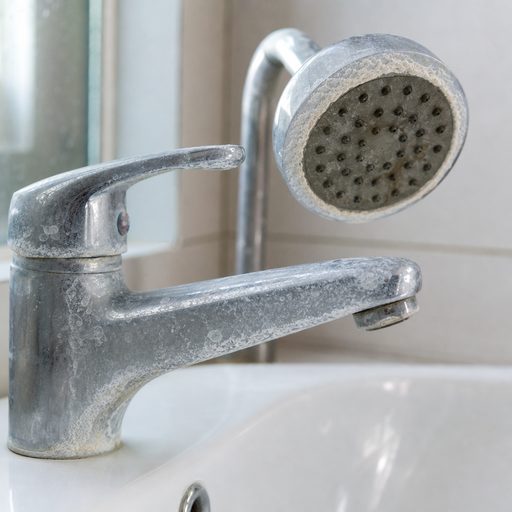
- Chalky white or greenish scale building up on faucets, showerheads, and around drains.
- Spots, streaks, or a cloudy film on glasses and dishes even after the dishwasher runs.
- Dry, itchy skin and dull, lifeless hair after bathing, along with a filmy feeling on the skin.
- Soap and shampoo that will not lather well and leave a sticky residue behind.
- Reduced water flow from fixtures as scale gradually narrows the openings in aerators and showerheads.
- Soap scum and stiff, scratchy laundry that wears out faster than you would expect.
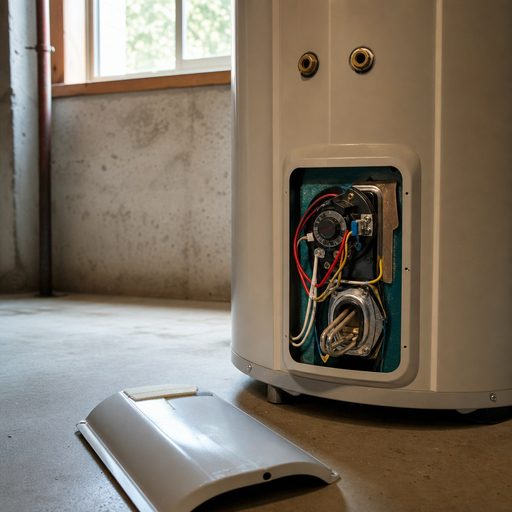
- A water heater that grows noisier or less efficient as scale collects inside the tank.
Scale shortens the life of your water heater
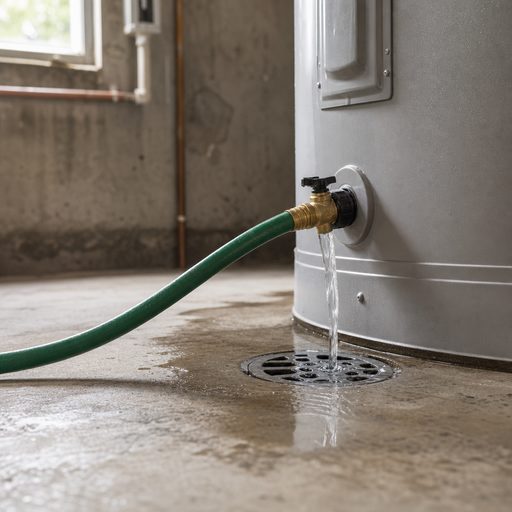
Mineral scale tends to settle in the bottom of a water heater, where it insulates the water from the burner or element and forces the unit to work harder. Periodically flushing the tank helps clear that buildup and protect the heater. See our guide on how to flush your water heater for safe, step-by-step instructions.
What You Can Do About It
Some effects of hard water can be managed with simple maintenance you can safely handle yourself. Soaking a clogged aerator or showerhead in white vinegar dissolves much of the mineral buildup and restores flow, and wiping fixtures dry after use slows the return of scale. For the underlying problem, many households choose to treat the water at its source. A whole-home water softener works by removing the calcium and magnesium before the water ever reaches your fixtures, which protects appliances, improves lathering, and cuts down on scale throughout the house. Because the right choice depends on how hard your water actually is and on your home's plumbing, this is an area where a professional can test your water and advise on whether a softener or another treatment option makes sense for you.
When to Call a Professional
If the signs of hard water are adding up and basic cleaning is not keeping pace, a professional can confirm how hard your water is and recommend the right approach for your home. A plumber can advise on and install a whole-home water softener or other treatment, and general plumbing repair can address scale that has already affected pipes and valves. If hard water has taken a toll on your fixtures, faucet and sink repair can resolve persistent flow problems caused by mineral buildup. Because scale is especially hard on water heaters, our guide on why your water heater is not getting hot can help you spot related trouble, and learning how to flush your water heater will help you keep sediment and scale from shortening its life.
Sources and further reading
These references support material safety, technical, consumer, or planning guidance in this article. Confirm property-specific requirements with the applicable authority and professional.