 Plumbing Advisors Editorial TeamEditorial StandardsUpdated June 9, 2026Source-Checked
When a faucet starts dripping, sticking, or trickling, it is natural to wonder whether you should fix the one you have or simply replace it. Most faucet problems are caused by small, replaceable parts, so a repair is often the practical choice, but there are clear situations where a new fixture makes more sense in the long run. The decision usually comes down to the faucet's age and condition, the cost of the repair relative to a replacement, and whether you are happy with the fixture in the first place. Thinking through a few simple questions can help you spend wisely rather than guess.
When a Repair Usually Makes Sense
- The faucet is relatively new and in good condition apart from one specific problem.
- The issue is a classic wear item, such as a dripping spout, a stiff handle, or a worn O-ring, that points to a replaceable internal part.
- Replacement parts for your model are readily available and the body shows no serious corrosion.
- The finish still looks good and the faucet suits the sink and your needs.
- The repair is modest compared with the cost of a comparable new faucet plus installation.
When Replacement Is the Better Call
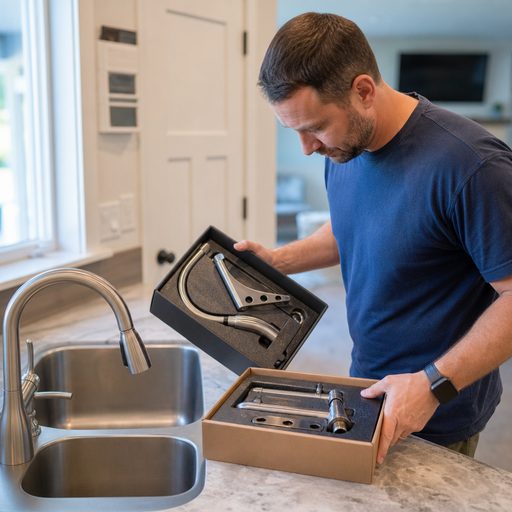
Replacement starts to make more sense once a faucet is old, corroded, or failing in more than one way. If the body is visibly corroded, if parts for an older or discontinued model are hard to find, or if you have already repaired the same faucet more than once, you may be pouring money into a fixture near the end of its life. Persistent leaks that resist repair, cracks in the body, or a finish that is flaking and worn all tip the balance toward starting fresh. A replacement is also a natural choice if you are already unhappy with the faucet, want a different style, or are updating the sink area anyway, since the labor to access the fixture overlaps.
Weigh repeat repairs against a fresh start
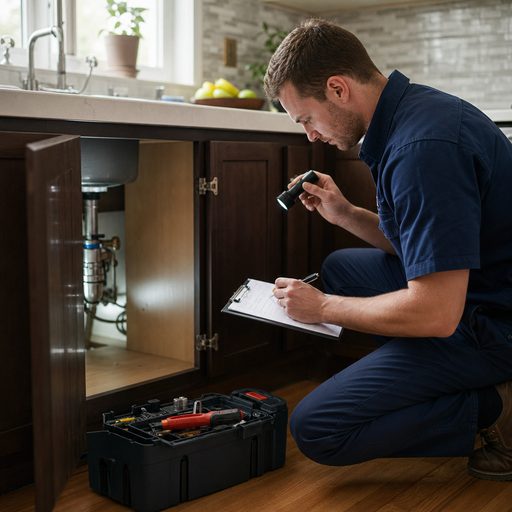
A useful rule of thumb is to consider replacement when the cost of repairs starts approaching a meaningful share of a comparable new faucet plus installation, or when you find yourself fixing the same fixture again and again. One repair on a good faucet is usually money well spent; the third repair on an aging one often is not. Before any work or inspection, you can safely close the shutoff valves under the sink and clear out the cabinet.
Don't Forget the Surrounding Parts
Whichever way you lean, it is worth looking at the parts around the faucet too. Old shutoff valves that are stiff or weeping, brittle supply lines, or a corroded drain assembly may be worth addressing at the same time, since a plumber is already working in that space. Replacing a faucet without refreshing aged supply lines or a failing valve can leave you with a brand-new fixture connected to worn parts that fail soon after. Considering the whole connection, not just the faucet, helps you avoid a repeat visit.
When to Call a Professional
If you are unsure whether your faucet is worth saving, a professional can assess the body, the parts availability, and the surrounding connections and give you a straight answer. Faucet and sink repair can rebuild a fixture that is worth keeping, while faucet installation handles a clean replacement, including any aged valves or supply lines that should go with it. To get a feel for what each path involves, our guide on what faucet and sink repair costs explains how repairs are priced, and if you decide on a new fixture, our guide on how to choose a new kitchen or bathroom faucet walks through what to look for.
Sources and further reading
These references support material safety, technical, consumer, or planning guidance in this article. Confirm property-specific requirements with the applicable authority and professional.