 Plumbing Advisors Editorial TeamEditorial StandardsUpdated July 5, 2026Source-Checked
The cost of faucet and sink repair depends on the specific issue, the parts involved, your home's plumbing layout, and your local market. A simple washer or cartridge replacement is often at the lower end while complex repairs or corroded parts can drive costs higher. Understanding these variables will help you interpret estimates and budget confidently.
What Factors Influence Faucet and Sink Repair Pricing?
Faucet and sink repair costs are shaped by a mix of key factors. The nature of the problem—such as a dripping faucet, a leaking P-trap, or a clogged drain—impacts the time and skill required. The specific parts involved also matter; common components include cartridges (like those found in Moen or Delta faucets), O-rings, aerators, and shutoff valves. Labor charges can rise if the fixture is difficult to access, such as when working beneath a tight vanity or replacing a corroded supply line. Regional differences in plumber rates and whether the visit occurs during regular business hours or as an emergency also play a role.
For example, replacing a Moen faucet cartridge is usually straightforward, whereas working on an older Kohler sink with seized connections requires more time and skill. The extent of any water damage found under the sink—such as warped cabinetry or mold—can further increase costs, as repairs may extend beyond piping and fixtures. Talking openly with your pro about what's driving the estimate will always lead to more informed decisions.
- Labor time and experience needed
- Type and brand of parts—such as cartridges, P-traps, or aerators
- Condition of shutoff valves and supply lines
- Ease of access to the faucet and piping
- Whether repair or full replacement is required
- Local labor rates and scheduling (standard vs. emergency visit)
The Importance of Getting an Accurate Estimate
No two faucet or sink repairs are exactly alike. While it can be tempting to look for a fixed price, it’s better to expect a range until a technician evaluates your specific fixture. Most pros will inspect the faucet body, assess the condition of handle mechanisms, examine aerators for mineral buildup, and check the integrity of connections and supply valves. They might also look for hidden leaks that could indicate failing washers or worn cartridges, especially if you have an older assembly.
A reliable estimate should break down the costs between labor and materials. For example, a visit to replace a ceramic cartridge and tighten a loose handle in your kitchen faucet involves both a part (such as a Delta or Moen cartridge) and the time spent fitting it. If shutoff valves beneath the sink are stuck or leaking, replacing those adds another layer to both parts and labor. Trustworthy pros will explain their reasoning, so you understand what each portion of the estimate covers.
Review the related cost guide for Component-Specific Insights
See the related cost guide for a breakdown of the repair or replacement prices for specific parts like faucet cartridges, shutoff valves, or P-trap replacements. These ranges reflect differences in part complexity, labor intensity, and accessibility, and can help you gauge where your repair may land.
Common Parts and What Fails First
Most faucet and sink repairs involve a handful of parts that tend to fail with age or heavy use. Faucet cartridges, a feature in many single-handle fixtures from brands like Delta, Moen, or Kohler, can wear out and cause dripping or uneven flow. O-rings and washers—small rubber or silicone pieces inside a faucet—lose elasticity over time, leading to leaks at the handle or spout. Aerators, found at the tip of most faucets, may clog with mineral deposits and decrease water flow.
- Faucet cartridge (Delta, Moen, Kohler)
- O-rings and washers
- Aerators
- P-trap
- Supply lines
- Shutoff valves
Repair vs. Replacement: Considerations for Homeowners
Faced with a troublesome faucet or a leaking sink, homeowners often ask whether it’s better to repair what’s there or opt for a complete replacement. The answer depends on the severity of the problem, age and condition of the fixture, and part availability. If the trouble is limited to a single component—say, a worn-out cartridge or cracked P-trap—repair is usually simple and cost-effective, especially with newer brands where parts like those from Moen or Delta are readily available.
However, if your fixture is outdated, corroded, or has multiple failing parts, replacement may make more sense. Modern faucets are more efficient and reliable, and many are easier to maintain. If you’re weighing this decision, our guide Should You Repair or Replace a Faucet? can help you compare the trade-offs between both options, considering service life, part costs, and the cost of multiple repairs over time.
Check for Local Plumbing Codes Before Replacing a Fixture
Local plumbing codes govern what types of fixtures and connections are allowed when a faucet or sink is replaced. These can affect installation methods, required components, and even water-saving features. Always confirm code requirements in your area or ask your professional to advise you before any major work.
Preventive Maintenance Minimizes Future Repair Needs
Many common faucet and sink issues are preventable with basic periodic maintenance. Cleaning aerators regularly with vinegar removes mineral buildup and maintains water flow. Inspecting supply lines and shutoff valves for dampness or corrosion a few times a year can catch small leaks before they become major problems. Avoid over-tightening faucet handles and don’t use aggressive tools on plated finishes, as this can damage internal components and void manufacturer warranties.
If you notice a slow drip, address it promptly to avoid staining, cabinet damage, and wasted water. For slow-draining sinks, avoid harsh chemical drain cleaners—instead, clear debris from the strainer basket or use a basic hand auger if you're comfortable. If water is backing up or leaks under the sink continue, reach out to a Plumbing Repair pro for a thorough diagnosis. Review our guide, Common Sink Drain Problems and What Causes Them, for more insights into drain issues.
- Clean the aerator every 6-12 months
- Check supply lines and shutoff valves for corrosion or leaks
- Replace worn washers and O-rings as soon as leaks appear
- Avoid chemical drain cleaners; use mechanical methods when possible
What to Expect During a Repair Visit
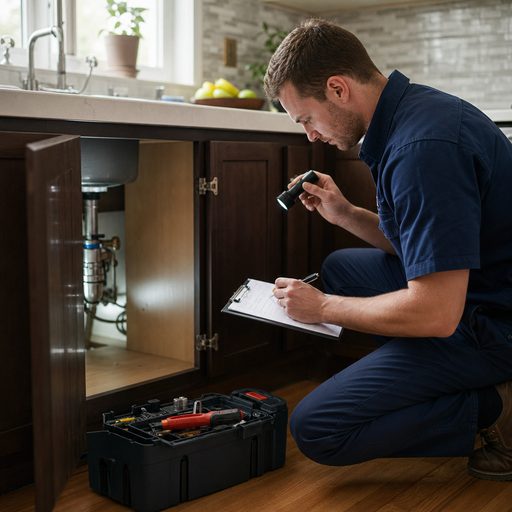
During a typical repair, the plumber will start by turning off water at the shutoff valves and examining the faucet, sink, and under-sink area for leaks or corrosion. Common diagnostic steps include inspecting cartridges, washers, or aerators, feeling supply lines for moisture, and checking the P-trap's integrity. Depending on what they find, the visit may involve removing and replacing faulty parts, tightening connections, or recommending a full fixture replacement if repairs aren’t viable.
If parts must be special-ordered, such as cartridges for discontinued models or unique Kohler finishes, the repair may require a follow-up visit. Ask your plumber to explain each step and what prompted the diagnosis. You can also ask the plumber for a written summary detailing the condition of your plumbing, any risks the pro observed, and recommendations for future maintenance or upgrades.
How Regional Differences and Scheduling Affect Final Cost
Labor rates for plumbing services can vary widely based on your location. Urban areas with a higher cost of living or regions where skilled plumbers are in short supply may see higher labor, while rural or suburban regions can be less expensive. Timing also impacts the final bill: same-day or after-hours service typically adds a premium, as does emergency plumbing work compared to a scheduled appointment.
To keep your repair affordable, try to schedule work during regular business hours and address minor leaks or slow drains before they escalate into urgent problems. Always ask if diagnostic or trip fees are included in the repair cost and whether they are credited if you proceed with recommended work. For more guidance, see the related cost guide, which breaks down typical repair project types by the factors that drive their cost.
How to Prepare for Your Plumber’s Visit
Clear out items from underneath your sink before the plumber arrives. This makes the workspace safer and quicker for diagnostics, reducing labor time. Familiarize yourself with your shutoff valve location so you can shut off water in case of a sudden leak before the pro gets there.
What are the most common parts replaced during faucet and sink repair?
Faucet cartridges, O-rings, aerators, P-traps, supply lines, and shutoff valves are among the most frequently replaced components. Wear and tear, mineral buildup, and age contribute to these parts failing. Brand-specific components—like Moen or Delta cartridges—are common in many homes.
Can I repair a leaking sink or faucet myself?
Homeowners can often handle basic jobs like cleaning aerators or tightening a loose handle. However, repairs involving cartridges, supply lines, shutoff valves, or anything requiring disassembly should usually be left to a licensed plumber for safety and lasting results. Never attempt repairs involving gas lines, electrical components, or sewage exposure.
How do I know if repair is better than replacement?
Repair is usually best when a single part fails in an otherwise solid fixture, especially if replacement parts are available. If the faucet or sink is outdated, corroded, leaking in several places, or repair parts are discontinued, replacement often proves more cost-effective in the long run. Refer to our guide 'Should You Repair or Replace a Faucet?' for decision support.
Does homeowner’s insurance cover faucet or sink repair?
Most homeowner’s policies do not cover faucet or sink repairs due to regular wear and tear. However, insurance might cover resulting damage—such as water-soaked cabinetry—if sudden and accidental. Always check your policy details and consult with your agent for your specific situation.
What’s the best way to prevent future faucet and sink problems?
Routine maintenance is key: clean aerators every few months, inspect supply lines for leaks, and replace washers or O-rings promptly when leaks begin. Avoid harsh drain chemicals and never overtighten handles. Scheduling periodic plumbing checkups helps catch small issues before they become major repairs.
Sources and further reading
These references support material safety, technical, consumer, or planning guidance in this article. Confirm property-specific requirements with the applicable authority and professional.