 Plumbing Advisors Editorial TeamEditorial StandardsUpdated May 28, 2026Source-Checked
Opening the cabinet under a sink to find a puddle, a warped shelf, or a musty smell is a common and frustrating surprise. The reassuring part is that under-cabinet leaks almost always come from a short list of connections packed into that small space, and many are easy to narrow down with a flashlight and a few dry paper towels. Pinpointing where the water is actually coming from is the most important step, because the source determines whether it is a simple tightening, a worn part, or a repair best left to a professional. Working through the usual suspects below will help you tell what you are dealing with before you call.
The Most Common Sources
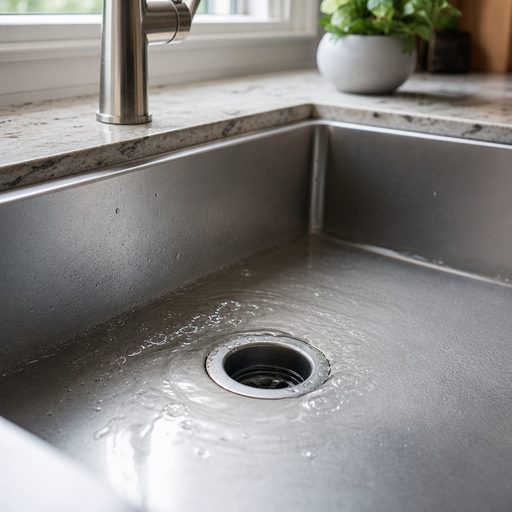
Under a typical sink, water can escape from the supply side, the drain side, or the fixture above, and each leaves slightly different clues. A supply-line leak tends to drip steadily whether or not you are using the sink, because those lines are always under pressure. A drain leak usually shows up only while water is running or just after, since the drain holds water only as it passes through. Knowing which pattern matches your puddle helps point straight to the culprit.
- Supply line connections. The flexible hoses feeding hot and cold water to the faucet can loosen at the fittings or wear out over time, dripping under constant pressure.
- Shutoff valves. The small valves where the supply lines meet the wall can seep at the stem or the connection, especially on older valves that have not been turned in years.
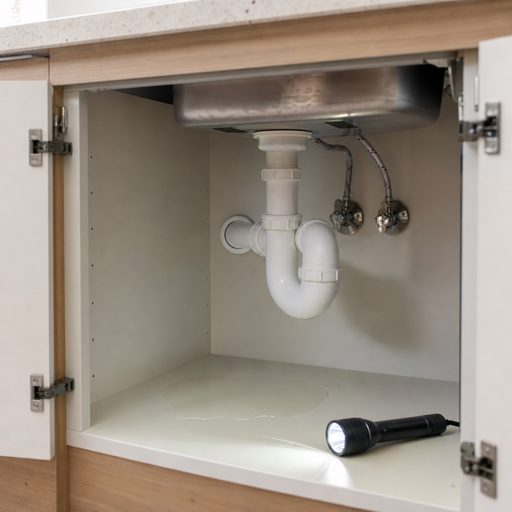
- The P-trap and drain connections. The curved trap and its slip-nut joints can loosen, crack, or clog, letting water escape while the sink drains.
- The drain assembly at the basin. The seal where the drain fits into the bottom of the sink, often sealed with plumber's putty or a gasket, can fail and let water run down the underside.
- The faucet base and sprayer hose. Water can travel down from a worn faucet body or a leaking pull-out sprayer hose and collect in the cabinet below.
- Condensation. On cold supply lines or a chilled drain, beads of condensation can mimic a small leak in humid weather without any actual fault.
Dry everything, then watch where it comes back
Wipe every connection completely dry with paper towels, then loosely wrap a fresh dry towel around each joint. Run the water for a minute, then stop, and check again a few hours later. The first towel to get wet usually marks the source. A pressurized supply leak will reappear even while the water is off, while a drain leak shows up only when water runs through. You can safely close the shutoff valves under the sink at any point to stop the flow.
What You Can Safely Check
A few homeowner checks are safe and often revealing. Gently feel each supply-line and shutoff connection for moisture, and look for water stains or corrosion that hint at a slow, long-running drip. A slip-nut on the P-trap that has worked loose can sometimes be snugged by hand, but stop short of forcing anything, since overtightening can crack plastic fittings or strip threads. Place a shallow pan or some towels under the trap to catch drips and protect the cabinet floor while you investigate. What you should not do is dismantle the trap or replace a valve unless you are confident, because a connection reassembled incorrectly can leak worse than before or fail under pressure.
When to Call a Professional
If the leak comes from a pressurized supply line or a shutoff valve, returns after you have tried to snug a connection, or has already soaked the cabinet floor, professional faucet and sink repair is the safe way to fix it for good and to confirm nothing else is seeping. A broader plumbing repair service can also check the supply lines and valves serving the sink if the trouble runs deeper than the fixture. If the water only appears while the sink drains, the issue is more likely in the drain assembly, and our guide to common sink drain problems and what causes them can help you sort it out. For a sense of what the fix might involve, our guide on what faucet and sink repair costs explains how these jobs are priced.
Sources and further reading
These references support material safety, technical, consumer, or planning guidance in this article. Confirm property-specific requirements with the applicable authority and professional.