 Plumbing Advisors Editorial TeamEditorial StandardsUpdated April 2, 2026Source-Checked
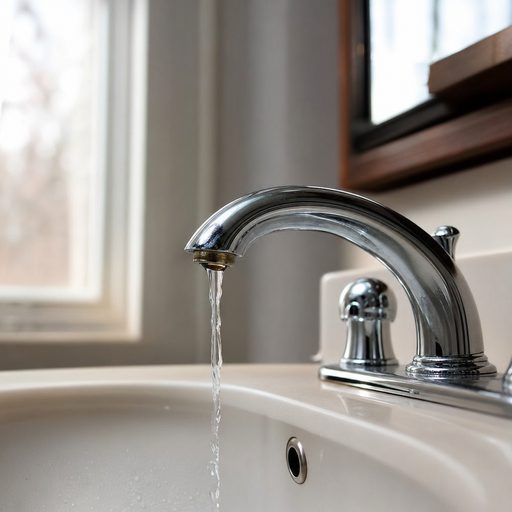
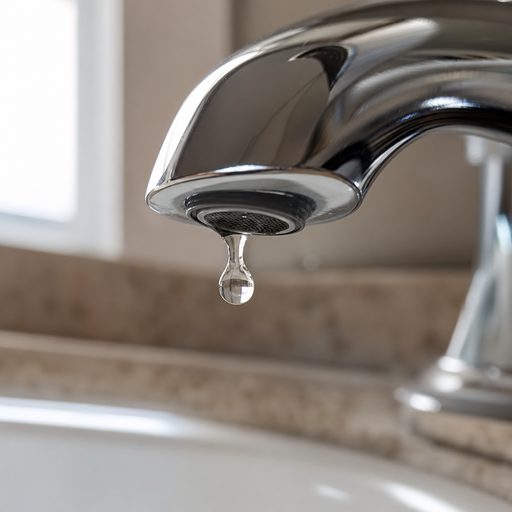
A faucet that drips long after you have turned it off is easy to ignore, but that steady drip is almost always a sign of a worn part inside, and it quietly wastes water and money around the clock. The cause is rarely anything dramatic, and understanding which small component tends to fail in your type of faucet makes the problem much easier to diagnose. With a few safe checks you can often tell whether it is a simple worn seal or something better left to a professional to repair.
Why Faucets Drip
A faucet's job is to create a watertight seal when it is closed, and a drip means that seal is no longer holding. The exact part that wears out depends on the faucet's design, but in every case the result is the same: water seeps past a worn surface and falls from the spout even when the handle is off. Most of these parts are inexpensive and designed to be replaced, which is why a dripping faucet is usually a modest repair rather than a reason to replace the whole fixture. Knowing your faucet type helps point to the likely culprit.
- Compression faucets, with separate hot and cold handles, usually drip because a rubber washer or the valve seat it presses against has worn out.
- Cartridge faucets rely on a removable cartridge, and a worn cartridge or its seals is the common cause of a drip.
- Ball faucets, often single-handle kitchen models, can drip when the springs, seats, or O-rings inside the ball assembly wear down.
- Ceramic-disc faucets are durable but can still drip when the inlet seals or the disc cartridge collect mineral buildup or wear.
- Worn O-rings around the spout base can cause leaking around the handle rather than from the spout itself.
What a Drip Really Costs
A single drip seems harmless, but drips add up continuously, hour after hour, whether you are home or away. Even a slow drip runs every minute of every day, so what looks like a few drops at the sink becomes a steady, around-the-clock loss over time. Over weeks and months a steady drip can waste a meaningful amount of water and show up as a higher water bill, and a hot water drip wastes energy too, since you are paying to heat water that goes straight down the drain. Beyond the waste, a constant drip can stain a sink or tub, encourage mineral deposits, and wear the fixture faster. Fixing a drip promptly is one of the simplest ways to stop ongoing waste and protect your fixtures.
Rule out the aerator first
If water seems to spray oddly or drip from the tip of the spout, the aerator, the small screen-and-cap fitting on the end of the faucet, may just be clogged with mineral buildup. You can usually unscrew it by hand, rinse and gently clean the screen, and screw it back on. Always close the faucet's shutoff valves under the sink before taking any part of the faucet apart.
When to Call a Professional
Cleaning an aerator is a safe homeowner task, but replacing washers, cartridges, seats, or O-rings means taking the faucet apart, matching the right parts to your specific model, and reassembling it without introducing a leak. If you are not comfortable with that, or if the faucet keeps dripping after a repair, professional faucet and sink repair can fix it correctly and advise whether an aging or corroded fixture is worth repairing or better replaced. Broader plumbing repair is available if the trouble extends beyond the faucet, such as to the supply lines or shutoff valves. If your faucet trickles weakly rather than dripping, our guide on what causes low water pressure can help, and if you suspect water is escaping somewhere you cannot see, our guide on how to find a hidden plumbing leak walks through the signs and a simple meter test.
Sources and further reading
These references support material safety, technical, consumer, or planning guidance in this article. Confirm property-specific requirements with the applicable authority and professional.