 Plumbing Advisors Editorial TeamEditorial StandardsUpdated June 11, 2026Source-Checked
Sink drains are simple, but they collect a surprising amount of trouble over time, and the symptoms tend to fall into a few familiar patterns. A drain that runs slow, gurgles, smells, or backs up is usually telling you something specific about where and why it is struggling. Learning to read those signs helps you tell a minor, localized issue from one that runs deeper into your plumbing, and it points you toward safe fixes rather than guesswork. The sections below cover the problems homeowners run into most and what tends to cause each one.
Slow or Standing Water
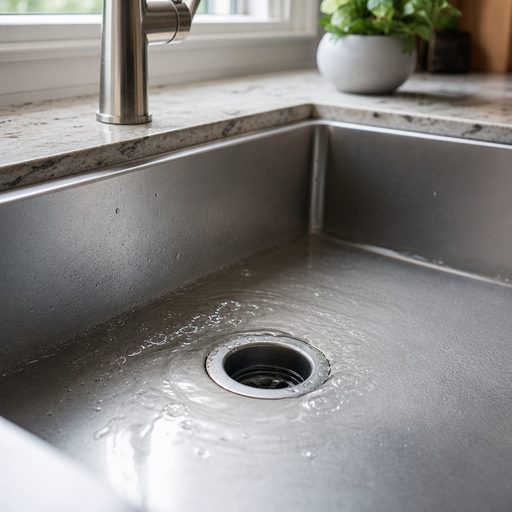
A drain that empties slowly or leaves water standing in the basin is the most common complaint, and it usually means a partial blockage is narrowing the pipe. In a bathroom sink, the culprit is most often hair and soap bound together in the stopper or the trap just below it. In a kitchen sink, grease, coffee grounds, starchy food, and soap scum tend to build up and restrict the flow. Because these clogs sit close to the fixture, simple, safe methods like cleaning the stopper or using a plunger often help. The key clue is that only the one sink is affected while the rest of the house drains normally.
- Slow drainage, which points to a partial clog of hair, grease, or food debris near the fixture.
- Gurgling sounds as the sink drains, which can signal trapped air from a developing clog or a venting issue further along the line.
- Foul odors rising from the drain, often from food and grime caught in the disposal or trap, or from a trap that has dried out and let sewer gas through.
- Water backing up, especially when more than one fixture is affected, which suggests a clog deeper in a shared drain line.
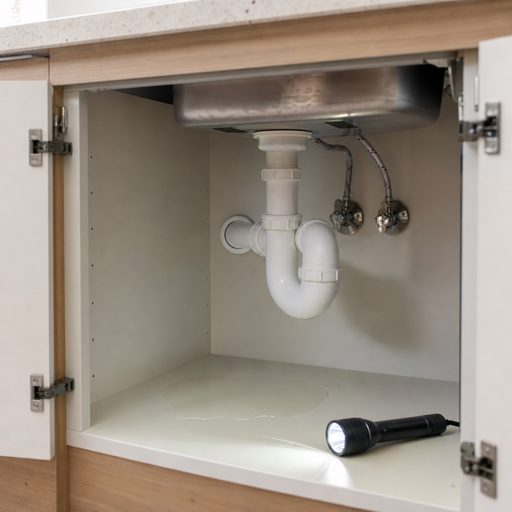
- Leaks under the sink while it drains, which point to a loose or cracked trap connection rather than a clog at all.
Skip the chemical drain cleaners
Harsh chemical drain cleaners can corrode pipes, damage seals, and create dangerous fumes, and they often fail to clear the real blockage. Avoid them. For a localized sink clog, a plunger or cleaning the stopper is safer and frequently more effective, and anything more stubborn is better left to a professional with the right tools.
Odors, Gurgles, and Backups
Not every drain problem is about speed. A persistent smell often comes from debris caught in the disposal or the trap, or from a trap in a rarely used sink that has dried out and stopped blocking sewer gas, which a little water poured down the drain can sometimes fix. Gurgling as the sink empties can mean air is struggling past a partial clog or a venting problem deeper in the system. The most telling sign of a serious issue is when more than one fixture acts up at once, or when water backs up rather than simply draining slowly, both of which suggest the blockage is in a shared line rather than at your sink. Those patterns call for professional equipment rather than a plunger.
What You Can Safely Try
For a single slow sink, a few safe steps are worth trying first. Remove and clean the stopper, since hair and gunk wrapped around it are a frequent cause. A cup plunger, used with enough water in the basin to seal the cup, can dislodge a nearby clog. Pouring a kettle of hot, not boiling, water down a greasy kitchen drain can help soften a soft blockage. Stop short of dismantling the trap unless you are confident reassembling it, and never reach for chemical cleaners. If these steps do not help, the clog is likely deeper than you can safely reach.
When to Call a Professional
If a clog returns quickly, resists a plunger, affects more than one fixture, or comes with backups, the problem is likely beyond a simple sink clog and worth a professional look. Faucet and sink repair can fix a leaking or failing drain assembly at the fixture, while a broader plumbing repair service can clear a stubborn blockage and check whether the trouble extends into a shared drain line. If you noticed water in the cabinet while the sink drains, our guide on why a sink leaks under the cabinet helps you pin down the source, and if you want a sense of what a fixture-level repair runs, our guide on what faucet and sink repair costs explains the pricing.
Sources and further reading
These references support material safety, technical, consumer, or planning guidance in this article. Confirm property-specific requirements with the applicable authority and professional.