
Water Heater Replacement
Water Heater Replacement in Connecticut
For water heater replacement in Connecticut, start by documenting what failed, whether the tank leaks, and whether current hot-water demand is being met. A professional should confirm the property-specific cause, scope, credentials, and applicable local requirements before work begins.
Plumbing Advisors provides guidance and connection assistance. Independent providers perform the plumbing work and confirm availability, pricing, timing, and credentials.
On this pageOverview
 Plumbing Advisors Editorial TeamEditorial StandardsSource-Checked
Water Heater Replacement across Connecticut
For water heater replacement in Connecticut, start by documenting what failed, whether the tank leaks, and whether current hot-water demand is being met. A professional should confirm the property-specific cause, scope, credentials, and applicable local requirements before work begins.
Age alone does not prove replacement; fuel, venting, electrical, pressure, and drainage conditions must be assessed.
When water heater replacement may fit
- The tank is leaking from the body or shows heavy rust
- Your unit is roughly 8 to 12 years old or older
- Repairs keep adding up on the same water heater
- Hot water runs lukewarm, rusty, or out too quickly
- You want to move from tank to tankless or change capacity
Causes or scope drivers to inspect
- A tank that has corroded and reached the end of its life
- A spent anode rod leaving the tank to rust from the inside
- Sediment buildup that reduces capacity and strains the unit
- Repeated failures of valves, elements, or the burner
- Household hot water demand outgrowing the existing unit
Comparing a water heater replacement quote
For water heater replacement in Connecticut, compare itemized quotes for the same inspected scope. Access, testing, equipment or parts, permits, restoration, and urgency can affect the final price.
Typical water heater replacement costs
| Project | Typical cost range |
|---|---|
| 40-gallon tank replacement | $1,000–$2,400 |
| 50-gallon tank replacement | $1,150–$2,750 |
| Tank-to-tankless conversion | $2,850–$7,150 |
Labor costs
| Labor | Typical cost range |
|---|---|
| Labor to swap a tank unit | $430–$1,200 per unit |
Cost ranges are estimates developed from standardized project scopes and reviewed pricing inputs. Government labor and regional cost data are used where applicable. See our Pricing Methodology for the exact sources, calculations, and review date. Actual prices vary by property, scope, materials or equipment, location, and provider.
What affects the cost
- Whether you keep a tank or switch to tankless and the capacity chosen
- The fuel type and any venting the new unit needs
- Plumbing, gas, or electrical updates the replacement requires
- Removal and disposal of the old water heater
- Permit and code items such as an expansion tank in your area
- How difficult the install location is to access
- Local labor rates in your area
State guidance for Connecticut
For water heater replacement in Connecticut, prepare equipment dimensions, delivery path, fuel or power, venting, drain, expansion control, and permits. Confirm the inspected scope, credentials, permits, inspections, exclusions, and restoration responsibility before authorizing work.
Credential verification
Plumbing in Connecticut is regulated statewide by the Department of Consumer Protection (DCP), working with the Examining Board for plumbing and piping. For most plumbing work, hire a state-licensed plumber and verify the license through the DCP's online license lookup.
DCP issues an Unlimited Plumbing Contractor license (P-1), which authorizes all plumbing and piping work, and an Unlimited Journeyperson Plumber license (P-2), who performs that work while employed by a licensed contractor. There are also limited license categories (for example, P-6 and P-7 for sewer, storm, and water lines), so it is fair to confirm the holder is licensed for your specific job.
Permits and inspections
Permits and inspections are administered locally by each municipality's building official, even though licensing is statewide. Regulated plumbing work generally requires a licensed plumber to pull the permit, though Connecticut law lets owner-occupants of a single-family home do and permit their own work, subject to inspection and approval by the local building official and the State Building Code. Minor like-for-like repairs are often exempt, but always check with your town's building department first.
Relevant water context
Water hardness in Connecticut ranges from soft to hard depending on geology and source. Coastal and many public-supply areas tend toward softer water, while parts of the northern and northwestern state can be harder due to mineral-rich rock formations. Many residents on private wells also deal with iron, manganese, or corrosivity, so testing and appropriate treatment help protect plumbing.
What to expect
- 1Review your hot water needs, current unit, and fuel source
- 2Choose tank or tankless and the right capacity
- 3Connect with a plumbing professional that services your area
- 4Have the old unit drained, disconnected, and removed
- 5Install and connect the new unit to current code
- 6Test for leaks, safe venting, and consistent hot water
Safe checks before the visit
- Note your current unit's type, gallon size, and fuel source
- Look for water pooling at the base or rust around fittings
- Check the label for the age and model of the unit
- Confirm the space and venting available for a new unit
- If the tank is actively leaking, shut off water to the unit if it is safe and accessible
Water Heater Replacement by city in Connecticut
Related plumbing problems
Water Heater Replacement in Connecticut: FAQs
How do I prepare for water heater replacement in Connecticut?
Document what failed, whether the tank leaks, and whether current hot-water demand is being met and prepare equipment dimensions, delivery path, fuel or power, venting, drain, expansion control, and permits. Ask the professional to confirm the inspected scope, credential, permit responsibility, and exclusions in writing.
Does Connecticut guidance diagnose my water heater replacement problem?
No. State information helps with credential, permit, and planning questions. The cause, responsibility, and repair or project scope still need to be confirmed for the specific property.
When should I replace my water heater instead of repairing it?
Replacement usually makes sense when the tank itself is leaking or heavily rusted, when the unit is near or past 8 to 12 years old, or when repairs keep stacking up. A single fixable part on a newer unit is often worth repairing instead. A professional can compare the two for your situation.
Should I replace a tank with another tank or switch to tankless?
A like-for-like tank swap is usually the simpler, lower-upfront option, while tankless saves space and provides continuous hot water but costs more and may need venting or gas changes. The right choice depends on your hot water demand, your space, and how long you plan to stay in the home.
What size replacement water heater do I need?
Sizing depends on your household's peak hot water use and the unit type, not just on matching the old gallon count. Your needs may have changed since the last unit went in, so a professional can recommend a capacity that avoids running short or paying for size you do not use.
Do I need a permit to replace a water heater?
Often yes. Permit and code requirements vary by city, county, and state, and a local plumbing professional will know what applies and can include it in the quote. Code may also require items such as an expansion tank or updated venting on the new unit.
Does replacement include removing the old water heater?
A proper replacement typically includes draining, disconnecting, and hauling away the old unit before the new one goes in. Confirm that removal and disposal are included when you compare itemized quotes.
Sources
These public and primary references support the state, safety, credential, permit, equipment, or efficiency guidance used here. They do not diagnose a specific property.
- U.S. Department of Energy - Home energy checklist
- U.S. Department of Energy - Water heating
- CDC - Returning home after a natural disaster
- CT Department of Consumer Protection — plumbing licenses and scope of work
- CT Department of Consumer Protection — plumbing and pipefitting licensing
- CT Department of Public Health — hard water and softeners (private wells)
- Connecticut General Assembly (OLR) — repairs by homeowners
Water Heater Replacement guides
Learn before planning water heater replacement in Connecticut.
Read related problem, scope, cost, and planning guidance before comparing options.
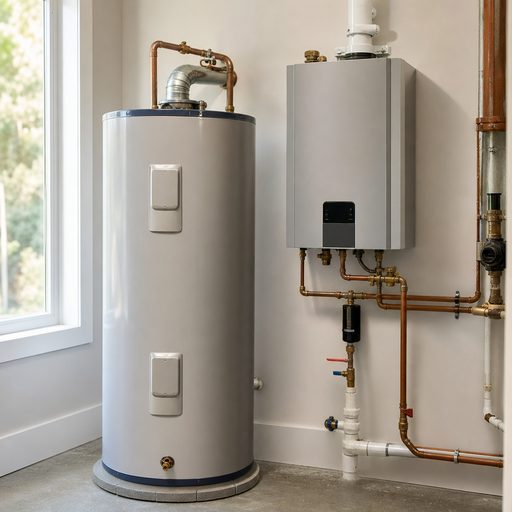
What Size Water Heater Do I Need?
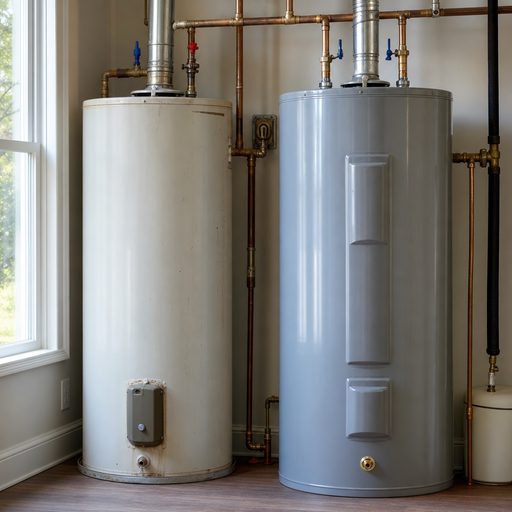
Is It Worth Replacing a 10-Year-Old Water Heater?
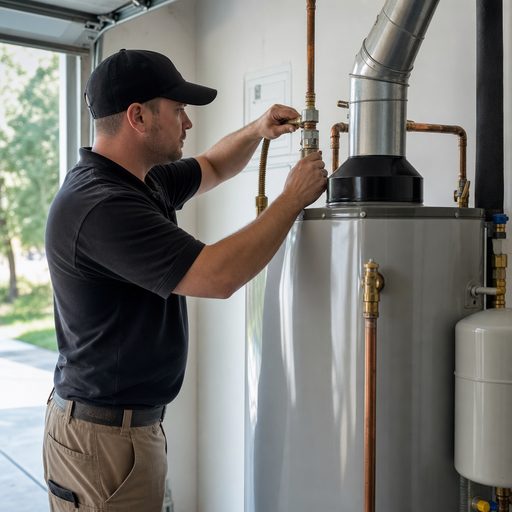
Permits and What a Water Heater Replacement Involves
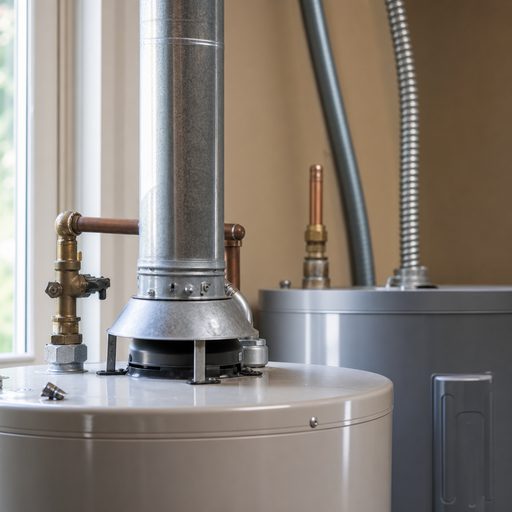
Gas vs. Electric Water Heaters: What to Know Before Replacing
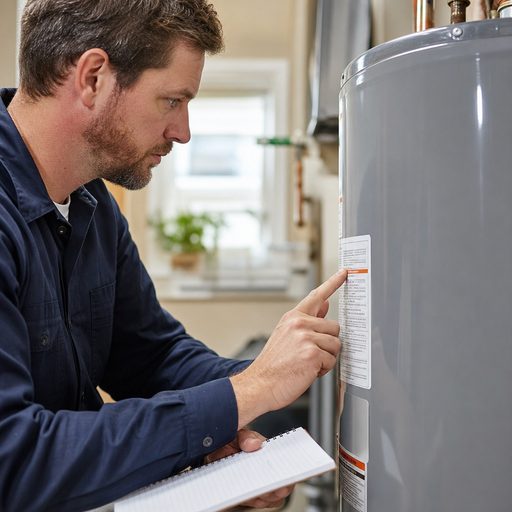
How to Size a New Water Heater for Your Home
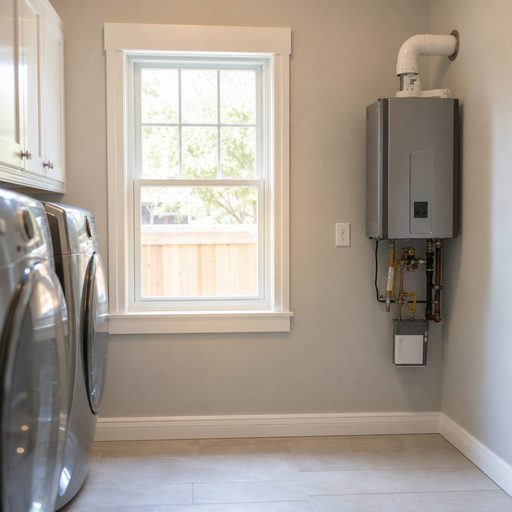
Is a Tankless Water Heater Worth It? Benefits and Drawbacks
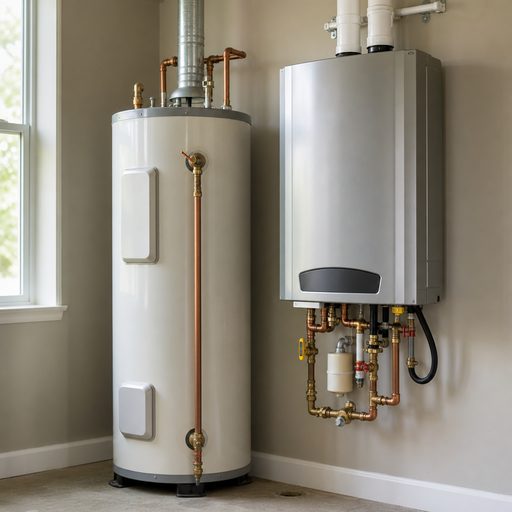
Tank vs. Tankless: Choosing a Replacement Water Heater
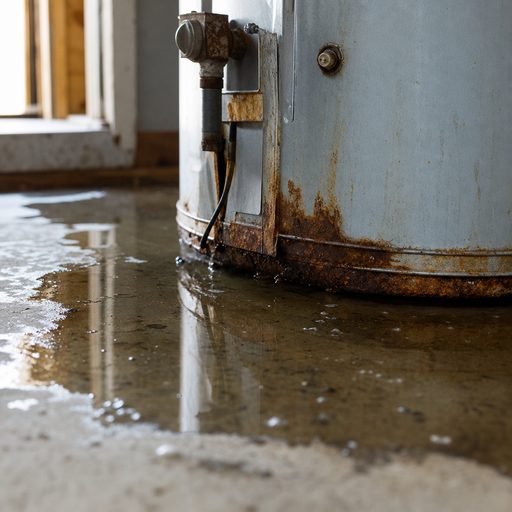
Signs It's Time to Replace, Not Repair, Your Water Heater

How Much Does Water Heater Replacement Cost?
Need Plumbing Help Now?
Call Plumbing Advisors to connect with help for leaks, drains, water heaters, sewer lines, burst pipes, toilets, faucets, and more.
No-obligation request · Availability varies by location and provider