 Plumbing Advisors Editorial TeamEditorial StandardsUpdated July 5, 2026Source-Checked
The cost of replacing a water heater depends on several factors including the type of unit, its size, location in your home, and any code upgrades that may be required. Two similar-looking jobs can be priced very differently. Understanding what drives these differences is key to getting a fair and realistic estimate for your Water Heater Replacement.
What Determines the Cost of Water Heater Replacement?
Water heater replacement is rarely a simple, one-size-fits-all job. While the new unit itself is a major contributor, additional costs come from installation complexity, local code requirements, and necessary upgrades. For example, a new Rheem or A.O. Smith unit may require updates like expansion tanks, pressure relief valves, or drip pans. These are essential for safety and compliance but impact your overall outlay. The key drivers tend to fall into a few main categories, and understanding them helps you compare Water Heater Installation estimates more confidently.
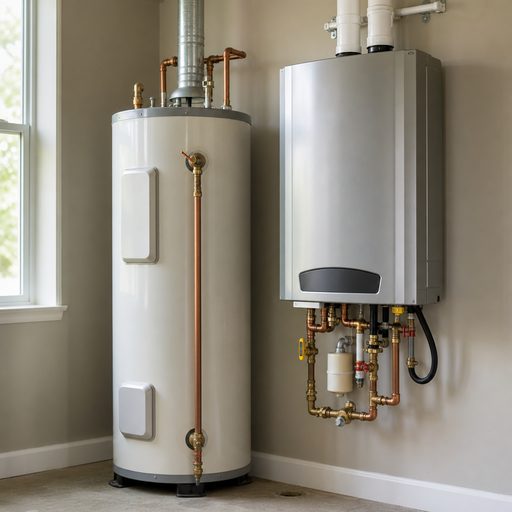
A primary cost driver is unit type: replacing an old tank with a similar-sized tank is generally less complex than switching to a tankless system or upgrading to a high-efficiency hybrid heat pump model. Beyond that, the fuel source—natural gas, propane, or electric—affects parts and labor. Older units can trigger code requirements such as seismic strapping, venting upgrades, or new drain pans, which often add work and materials. The age and condition of your plumbing and connections can also dictate whether additional repairs or upgrades are needed as part of the replacement.
- Unit type: tank, tankless, or hybrid heat pump.
- Brand and model: e.g., Rheem, Bradford White, or A.O. Smith.
- Capacity: measured in gallons for tanks or flow rate for tankless.
- Fuel type: electric, natural gas, or propane.
- Code compliance: expansion tank, seismic straps, venting and drip pan.
- Location: easy access (garage, basement) vs. tight space (attic, closet).
- Disposal: removal and proper recycling of the old unit.
- Timing: scheduled vs. after-hours or emergency replacement.
How Unit Type and Size Affect Replacement Complexity
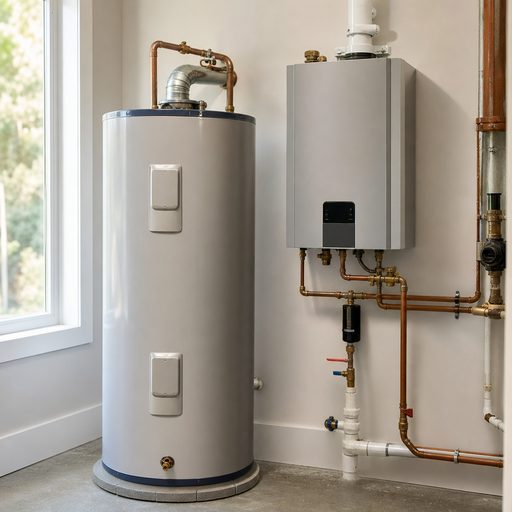
The type of water heater you choose plays a major role in both the cost of the new unit and the complexity of installation. Traditional tank-style heaters—whether gas or electric—usually fit the footprint and connections of the previous tank, making for a smoother swap. If you’re considering a switch to a tankless unit from manufacturers like Rinnai or Navien, expect additional labor for gas line upgrades, higher-capacity venting, and sometimes electrical work (see code notes, as requirements vary by jurisdiction).
Capacity is another key cost influence. While it’s tempting to go larger for 'just in case' scenarios, over-sizing a tank heater adds to both upfront and long-term energy costs. Conversely, choosing a unit that’s too small can lead to hot water shortages. Pros use personal household usage patterns, number of fixtures, and peak demand calculations—topics detailed in our How to Size a New Water Heater for Your Home guide—to help determine the best option. Tankless replacements are measured by gallons per minute (GPM) rather than storage, which also impacts selection and installation requirements.
Code Reminders: One Home May Trigger More Upgrades Than Another
A replacement project can uncover old code violations or safety issues. Examples include missing or corroded temperature and pressure relief (TPR) valves, lack of a required expansion tank, absent or outdated drain pans, or outdated venting material. Code enforcement and specific rules vary significantly—always ask your installer to confirm what the local standard dictates.
Common Parts and Upgrades in Water Heater Replacement
When replacing a water heater, installation often includes more than just swapping the tank or unit itself. Certain components—such as the dip tube, temperature and pressure relief (TPR) valve, and anode rod—are replaced or examined for wear. Some municipalities require adding or updating an expansion tank or installing a modern drip pan if there is none. If your home is in an earthquake-prone area, updated seismic strapping may be required as well.
For natural gas units, the gas supply line, sediment trap (sometimes known as a 'drip leg'), and vent pipe may need to be upgraded for safety and compliance. Tankless systems also usually require specific venting fittings and condensate drains. Items like water shutoff valves, dielectric unions, and drain pans (particularly under units installed in attics or finished spaces) are standard parts that might be included in a full installation. These elements—sometimes overlooked—are genuine cost drivers and should be detailed in any thorough Water Heater Installation estimate.
Access, Location, and Labor: Why Your Setup Matters
Not all water heater locations are created equal. An easily accessible unit in a garage or basement can usually be replaced more quickly and with less disruption. By contrast, units tucked away in small closets, crawlspaces, or attics require additional labor for both removal of the old heater and installation of the new one. Sometimes, extra work—such as temporarily detaching doors, navigating narrow hallways, or even partial deconstruction of cabinetry—will come into play.
For tankless or hybrid installations, proximity to existing plumbing, gas, and electrical lines is also a factor. If major rerouting is necessary, the labor effort rises sharply. In colder regions, water heaters in unconditioned spaces may need special pipe insulation or freeze protection measures, which are additional work items. Clear access to the heater's shutoff valves, drain, and vent connections can make the replacement go faster and, ultimately, more affordably.
- Think ahead: clear the work area before your scheduled visit.
- If your old unit is in a cramped area, ask the pro about feasibility before the quote.
- Check for staircase, flooring, or ceiling obstacles that could slow down removal and delivery.
Code Upgrades: What They Are and Why They Matter
Water heater replacements often reveal that the old installation is out of step with current safety codes. Typical upgrades include the addition or replacement of a temperature and pressure relief (T&P) valve, installation or updating of an anode rod, expansion tank installation (especially on closed plumbing systems), and proper seismic strapping if needed locally. The presence or lack of a drain pan—especially in finished or upper-level locations—may also dictate new work.
Some codes address venting specifically; swapping a gas-fired heater may require a new vent type, material, or size. Tankless units, which often operate with higher efficiency and lower flue gas temperatures, need different venting materials altogether (such as stainless steel or PVC) compared to atmospheric tank models. Each of these additions comes with material and labor, but they are important not only for passing municipal inspection but for your family's long-term safety and the longevity of the new unit.
When and Why to Replace: Timing Affects Cost and Options
Emergency replacements can be stressful and limit your options—installers may only have certain units or sizes available immediately, and you might have to accept a less-than-ideal spot or features. Scheduling your replacement gives you the freedom to choose the best type and capacity, compare estimates, and handle permitting and code upgrade work without a time crunch. For side-by-side comparisons of tank vs. tankless models, explore our Tank vs. Tankless: Choosing a Replacement Water Heater guide.
Start Researching Before Issues Appear
Watching for signs of age—such as diminished hot water, rumbling noises, or rusty water—allows you to line up quotes and choose your installer and model well before a failure forces emergency action.
Qualitative Cost Factors and Comparing Estimates
Several factors that increase or decrease the price of water heater replacement aren’t always obvious to homeowners. For example, working with a trusted brand like Bradford White or A.O. Smith may add or reduce cost depending on efficiency ratings, warranty, and model features. In areas with strict code enforcement, expect cost impacts from mandated upgrades such as PRVs, seismic straps, or new venting to align with revised building codes.
The most accurate way to compare is with itemized estimates. Ask what each estimate includes—the unit, labor, parts such as the TPR valve, drip pan, or expansion tank, as well as the removal and disposal of the previous unit. If one quote is dramatically lower, double-check that all code work, permit fees, and haul-away are included. Refer to the related cost guide for reference, and don’t hesitate to ask questions. Reliability, warranty coverage, and workmanship can be just as important as the model itself.
Related Services and Guides for Water Heater Replacement
Replacing a water heater is often part of a larger set of plumbing improvements. Independent local pros can assess your current setup, explain possible upgrades, and perform code-compliant work that meets both local regulations and manufacturer standards. For those considering an upgrade, compare tank and tankless options in our Tank vs. Tankless: Choosing a Replacement Water Heater guide. If you're unsure about sizing, How to Size a New Water Heater for Your Home can help you right-size capacity for maximum value and performance.
Don’t overlook preventive measures—routine maintenance, like replacing anode rods or flushing the tank, can extend service life. If you're replacing due to persistent issues such as rust, sediment buildup, or inconsistent temperature, a professional can help diagnose underlying causes and suggest the most effective replacement or upgrade strategy.
What upgrades might local code require during replacement?
Typical code upgrades include installing or replacing the pressure relief valve (TPR), adding an expansion tank, updating venting materials, and providing seismic strapping in earthquake-prone regions. Requirements can vary, so ask your installer to clarify what your jurisdiction demands before work starts.
Can I switch from a tank to a tankless water heater easily?
A switch is possible but often involves more labor: gas line upgrades, different venting, potential electrical updates, and sometimes water line modification. The added complexity increases installation time and cost, so make this decision before requesting estimates.
Will replacing my water heater lower my energy bills?
A new, properly sized, high-efficiency model can significantly reduce energy usage compared to an older unit, especially if you upgrade from an outdated tank to a modern tankless or hybrid model. Sizing correctly and choosing ENERGY STAR–rated units are important for maximum savings.
What should I do to prepare for water heater replacement day?
Clear a pathway to the unit and make the area around it accessible. Identify water, gas, or electric shutoff points if possible. Move any items stored nearby, and check if pets or children need to be kept clear of the work zone. This helps ensure a faster, safer installation process.
Sources and further reading
These references support material safety, technical, consumer, or planning guidance in this article. Confirm property-specific requirements with the applicable authority and professional.
- U.S. EPA WaterSense - Home maintenance
- U.S. EPA WaterSense - Fix a Leak Week
- MedlinePlus - Drain cleaner poisoning
- U.S. EPA - Household hazardous waste
- U.S. Department of Energy - Water heating
- U.S. Department of Energy - Water-heater selection guide
- National Association of Insurance Commissioners - Homeowners insurance