 Plumbing Advisors Editorial TeamEditorial StandardsUpdated May 26, 2026Source-Checked
A water heater rarely fails without warning. More often it sends signals for weeks or months, and the hard part is telling the difference between a problem worth fixing and a unit that is simply near the end of the road. Pouring money into repair after repair on an aging heater can cost more in the long run than replacing it, while replacing a young unit with a single fixable fault is a waste. Learning to read the signs that point toward replacement, rather than one more repair, helps you make the call at the right time instead of waiting for a cold shower or a flooded floor to make it for you.
Signs That Point Toward Replacement
A few symptoms tend to tip the scales away from repair and toward a new unit. Any one of them is worth taking seriously, and when several show up together, replacement is usually the more sensible path. The signs below are the ones that most often mean a heater is on its way out.
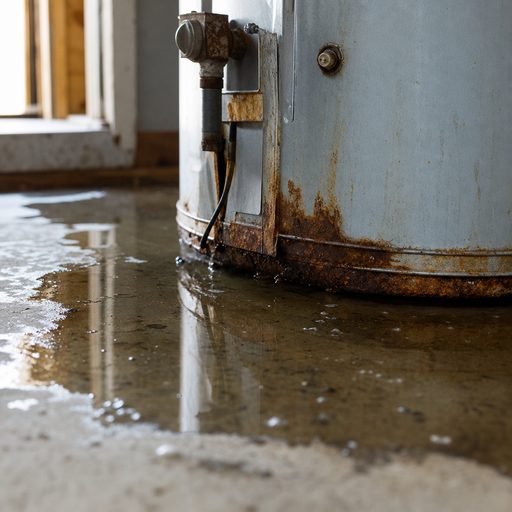
- Water leaking from the tank body. A leak from the tank itself, as opposed to a valve or fitting, means the inner tank is failing and generally cannot be repaired.
- Rusty or discolored hot water. Persistent rust-colored water from the hot side can signal corrosion inside the tank, which points toward the end of its life.
- Repeated breakdowns. If you have paid for several repairs in a short stretch, the unit is telling you that more are likely on the way.
- Repair costs approaching replacement. When a fix would cost a large share of a new unit, replacement is usually the smarter spend, especially on an older heater.
- Never enough hot water anymore. If the unit can no longer keep up even after a flush and a thermostat check, it may be worn out or simply too small for your household.
Safe Checks You Can Make
A leaking tank will not fix itself
If water is coming from the body of the tank rather than a valve or fitting, the inner tank is failing and could eventually rupture and flood the area. Turn off the water supply to the heater if you can safely reach the valve, and on a gas unit set the gas control to off or pilot. Then contact a professional rather than waiting and hoping the leak stops.
Repair or Replace: How to Weigh It
The decision usually comes down to age, the nature of the fault, and the math. A relatively young heater with a single failed part, no tank corrosion, and a modest repair bill is generally worth fixing. An older unit that is leaking from the tank, producing rusty water, breaking down repeatedly, or facing a repair that approaches the cost of a new model is usually better replaced. Replacing on your own timeline, before a failure forces your hand, also gives you room to choose the right unit and avoid the premium and disruption of an emergency swap. When the signs are mixed, a professional opinion is the most reliable way to settle the question.
When to Call a Professional
When the signs point toward the end of a heater's life, a professional can confirm whether replacement is truly the right move and recommend a unit suited to your home. Water heater replacement service can assess the condition of your current unit, explain what a new installation involves, and help you choose an appropriately sized and efficient model, while a professional water heater installation makes sure the new heater is set up correctly and safely. To plan the budget, our guide on how much water heater replacement costs lays out what drives the price, and if you are open to a different kind of unit, our comparison of tank and tankless for a replacement is a useful next read.
Sources and further reading
These references support material safety, technical, consumer, or planning guidance in this article. Confirm property-specific requirements with the applicable authority and professional.