 Plumbing Advisors Editorial TeamEditorial StandardsUpdated May 22, 2026Source-Checked
Tankless water heaters get a lot of attention for delivering endless hot water and freeing up space, and for many households they are a genuinely good fit. But going tankless is not automatically the right move for everyone, and the marketing tends to highlight the upsides while glossing over the trade-offs. The honest answer to whether it is worth it depends on how your home uses hot water, what your home is set up to support, and how long you plan to stay. Looking squarely at both the benefits and the drawbacks helps you make the decision on your own terms rather than on a sales pitch.
The Real Benefits
The appeal of a tankless unit is real, and a few advantages stand out for the households they suit. These are the benefits that tend to matter most in everyday use rather than just on paper.
- Continuous hot water: Because it heats on demand, a properly sized tankless unit does not run out the way a tank can during back-to-back showers.
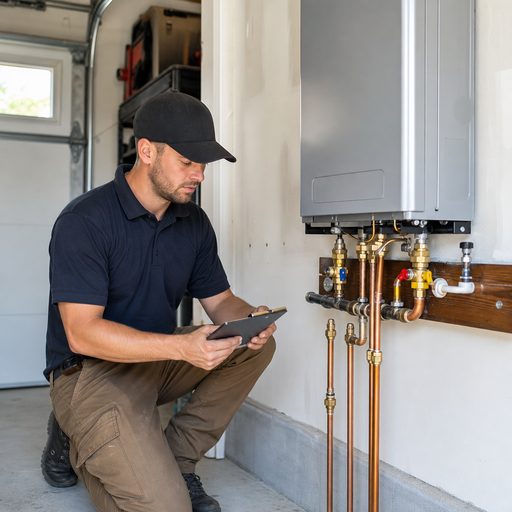
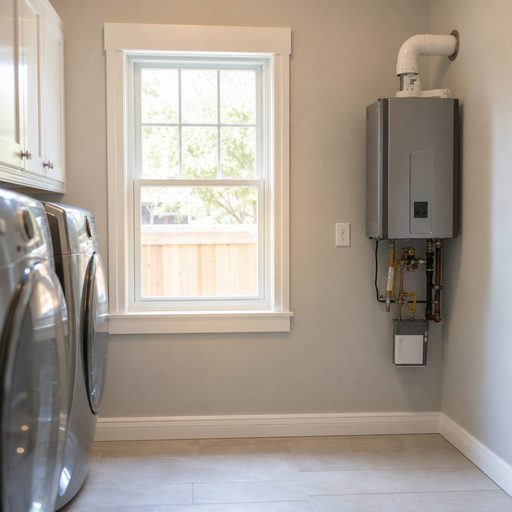
- Space savings: The unit is compact and mounts on a wall, reclaiming the floor space a storage tank occupies in a closet, basement, or garage.
- Lower standby energy use: Heating only when you draw hot water avoids the energy a tank spends keeping a reservoir hot around the clock.
- No tank to leak: There is no large stored volume of water to fail and flood, though connections and the unit itself still need proper care.
The Drawbacks to Weigh
The downsides are just as real and deserve equal attention. A higher up-front cost is the most obvious: the unit and, more often, the supporting gas, venting, or electrical work usually make a tankless install more expensive than a straightforward tank swap. Capacity is the other big one. A tankless unit will not run out, but it can only heat so much water at once, so if too many fixtures run hot at the same time the temperature can drop unless the unit is sized correctly for your peak demand. Hard water is also harder on tankless heaters, which need periodic descaling to keep performing, and in very cold climates the same unit delivers less hot water per minute because it has more warming to do. None of these is a dealbreaker, but each is worth knowing before you buy.
Sizing makes or breaks the experience
Most disappointment with tankless heaters traces back to a unit that was too small for the household's simultaneous demand, not to the technology itself. A right-sized unit keeps up with your busiest moments. Have a professional calculate your peak flow before choosing, and the continuous hot water lives up to the promise.
When to Call a Professional
Deciding whether to go tankless is best done with professional input, since the answer hinges on your home's existing connections and your real hot water demand. A tankless water heater installation service can tell you what your home would need to support a unit and whether it makes sense for your situation, and a water heater replacement pro can weigh it fairly against a modern tank. To understand the financial side of the decision, see our guide on what tankless installation costs, and because a good experience depends on getting the capacity right, our guide on how to size a tankless water heater is a natural next step.
Sources and further reading
These references support material safety, technical, consumer, or planning guidance in this article. Confirm property-specific requirements with the applicable authority and professional.