
Toilet Replacement
Toilet Replacement in Illinois
Homeowners comparing toilet replacement in Illinois should first define whether the goal is to solve damage, repeated repair, poor fit, weak performance, or water use. Use the state guidance on this page to verify the business and planning process, then rely on an on-site inspection for the recommendation.
Plumbing Advisors provides guidance and connection assistance. Independent providers perform the plumbing work and confirm availability, pricing, timing, and credentials.
On this pageOverview
 Plumbing Advisors Editorial TeamEditorial StandardsSource-Checked
Toilet Replacement across Illinois
Homeowners comparing toilet replacement in Illinois should first define whether the goal is to solve damage, repeated repair, poor fit, weak performance, or water use. Use the state guidance on this page to verify the business and planning process, then rely on an on-site inspection for the recommendation.
A replacement should include measured fit and correction of flange, shutoff, drain, or floor problems discovered at removal.
When toilet replacement may fit
- The bowl or tank is cracked or chipped
- The toilet clogs constantly despite repairs
- An older, high-volume toilet is running up your water bill
- You are remodeling or want a different height or style
Causes or scope drivers to inspect
- A cracked tank or bowl that cannot be sealed
- Repeated repairs that no longer hold
- An aging low-flow design that clogs easily
- An outdated toilet using far more water than newer models
- A wobbling fixture with a damaged flange or seal
Comparing a toilet replacement quote
For toilet replacement in Illinois, compare itemized quotes for the same inspected scope. Access, testing, equipment or parts, permits, restoration, and urgency can affect the final price.
Typical toilet replacement costs
| Project | Typical cost range |
|---|---|
| Wax ring and reset | $110–$310 |
| Closet flange repair or replacement | $150–$630 |
Labor-only project costs
| Labor | Typical cost range |
|---|---|
| Installation labor only | $135–$430 |
Per-item costs
| Item or service | Typical cost range |
|---|---|
| Standard two-piece toilet (fixture) | $95–$380 per unit |
| One-piece toilet (fixture) | $225–$850 per unit |
Cost ranges are estimates developed from standardized project scopes and reviewed pricing inputs. Government labor and regional cost data are used where applicable. See our Pricing Methodology for the exact sources, calculations, and review date. Actual prices vary by property, scope, materials or equipment, location, and provider.
What affects the cost
- The price and style of the new toilet, from basic two-piece to one-piece or smart models
- Whether the closet flange or floor needs repair before setting the new toilet
- The rough-in size and whether an uncommon size limits fixture choices
- Haul-away and disposal of the old fixture
- Difficulty reaching the shutoff or working in a tight or older bathroom
- Regional labor rates, which vary widely by area
State guidance for Illinois
For toilet replacement in Illinois, prepare rough-in measurement, bowl shape, clearances, flange height, shutoff, floor condition, and disposal. Confirm the inspected scope, credentials, permits, inspections, exclusions, and restoration responsibility before authorizing work.
Credential verification
Plumbing in Illinois is regulated by the Illinois Department of Public Health (IDPH) under the Illinois Plumbing License Law (225 ILCS 320). IDPH licenses plumbers, plumbing contractors, and apprentice plumbers, and anyone who plans, installs, alters, repairs, or maintains plumbing must be licensed.
The City of Chicago administers plumbing under its own authority: plumber and plumbing contractor licenses are issued by the Board of Plumbing Examiners through the Chicago Department of Buildings. You can verify a state license through the IDPH license verification portal, and confirm Chicago credentials and contractor status with the city.
Permits and inspections
Permit and inspection requirements are set locally and vary by city and county. Chicago is strict: most plumbing work requires a permit and must be performed by a licensed Chicago plumbing contractor. Outside Chicago, requirements differ by municipality, so always check your local building department before work begins.
What to expect
- 1Confirm the rough-in size and choose a toilet that fits
- 2Shut off the supply valve and drain the old toilet
- 3Connect with a plumbing professional that services your area
- 4Remove the old toilet and inspect the flange and floor
- 5Set the new toilet on a fresh wax ring or seal and secure it
- 6Reconnect the supply, test the flush, and check for leaks
Safe checks before the visit
- Measure the rough-in: the distance from the wall to the center of the bolts
- Note whether you prefer standard or comfort height
- Look for cracks in the porcelain and water around the base
- Shut off the supply valve if the old toilet is leaking
Toilet Replacement by city in Illinois
Toilet Replacement in Illinois: FAQs
How do I prepare for toilet replacement in Illinois?
Document whether the goal is to solve damage, repeated repair, poor fit, weak performance, or water use and prepare rough-in measurement, bowl shape, clearances, flange height, shutoff, floor condition, and disposal. Ask the professional to confirm the inspected scope, credential, permit responsibility, and exclusions in writing.
Does Illinois guidance diagnose my toilet replacement problem?
No. State information helps with credential, permit, and planning questions. The cause, responsibility, and repair or project scope still need to be confirmed for the specific property.
Should I replace my toilet or just repair it?
If the trouble is a running tank or a worn part, repair is usually the better value. Replacement makes sense when the porcelain is cracked, the toilet clogs constantly, or an old high-volume model is wasting water. Comparing recent repair costs against a new fixture helps you decide.
How do I know what size toilet to buy?
The key measurement is the rough-in: the distance from the finished wall to the center of the bolts that hold the toilet down. Most homes use a 12-inch rough-in, but older houses sometimes have 10 or 14 inches. Measuring before you buy avoids ending up with a toilet that will not fit.
What is a WaterSense toilet?
WaterSense is a label for toilets that meet a water-efficiency standard, using 1.28 gallons per flush or less while still clearing the bowl reliably. Replacing an older toilet that uses 3.5 gallons or more per flush can lower your water use noticeably over time.
Why does a new toilet need a new wax ring?
The wax ring seals the toilet to the drain flange so water and gases stay inside the pipe. It compresses to fit when the toilet is set, so a fresh ring goes in with every replacement. Reusing an old one is a common cause of base leaks later.
Sources
These public and primary references support the state, safety, credential, permit, equipment, or efficiency guidance used here. They do not diagnose a specific property.
Toilet Replacement guides
Learn before planning toilet replacement in Illinois.
Read related problem, scope, cost, and planning guidance before comparing options.
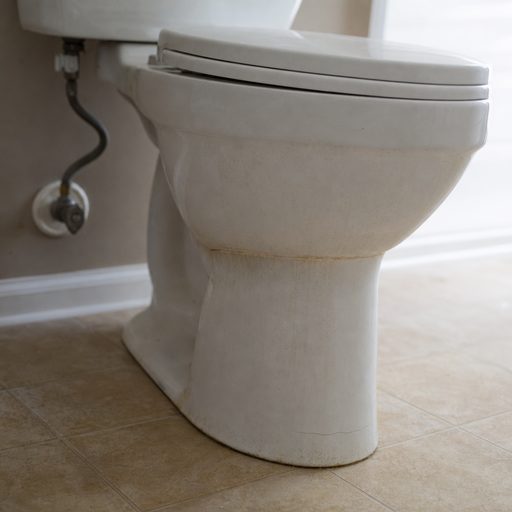
Signs Your Toilet Is Wearing Out
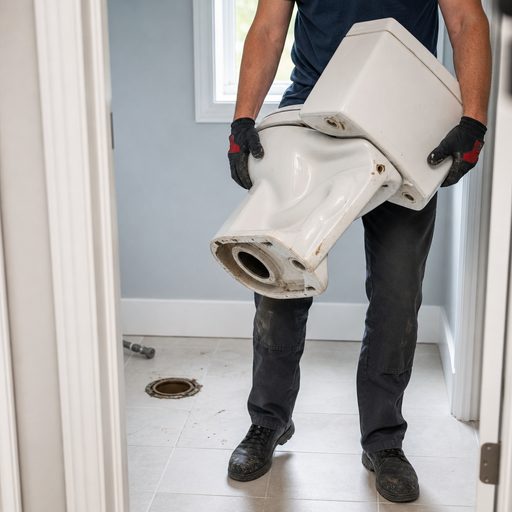
Old Toilet Removal and Disposal: How It Works
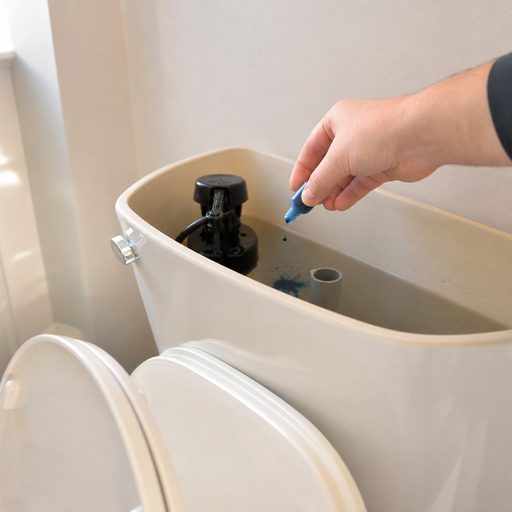
How to Tell If Your Toilet Is Leaking
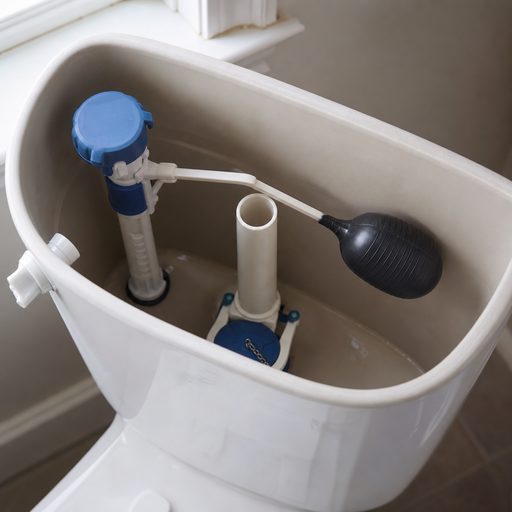
Common Toilet Parts That Fail and What They Do
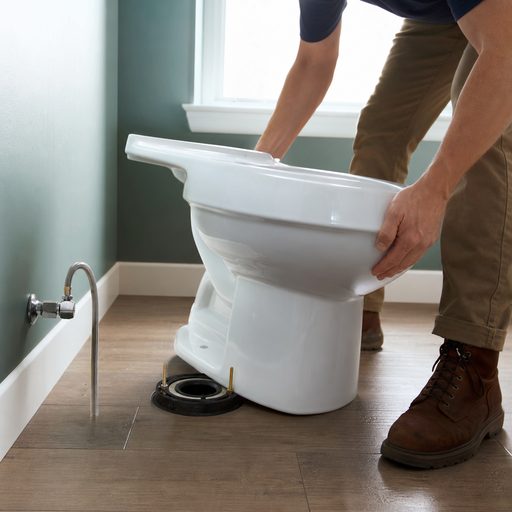
What to Expect During a Toilet Installation
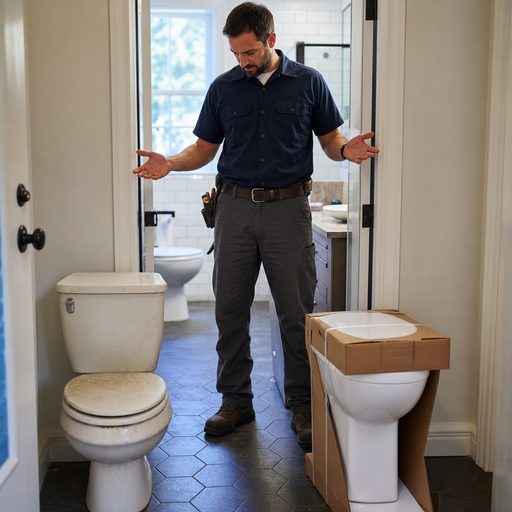
Repairing vs. Replacing a Toilet
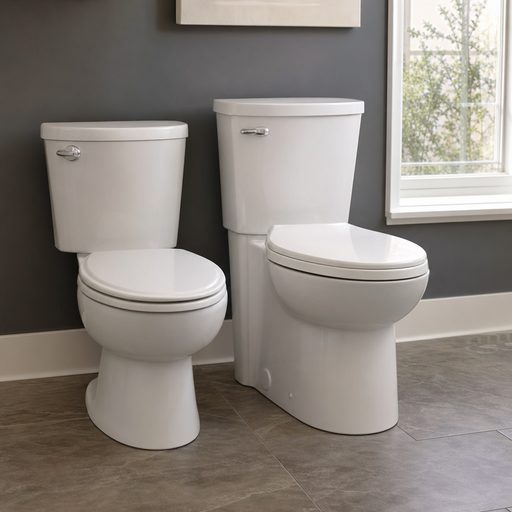
How to Choose a New Toilet: Height, Shape, and Efficiency
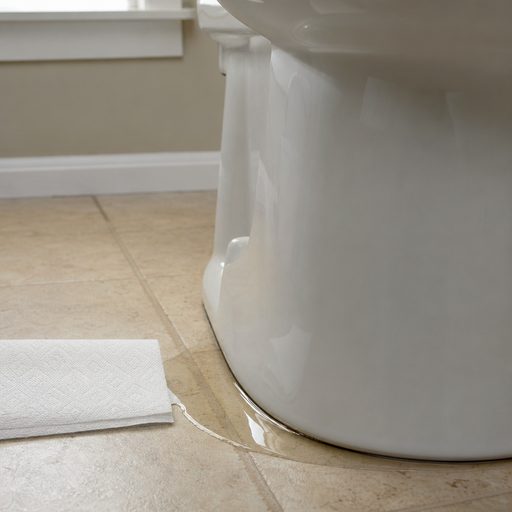
Why Is My Toilet Leaking at the Base?
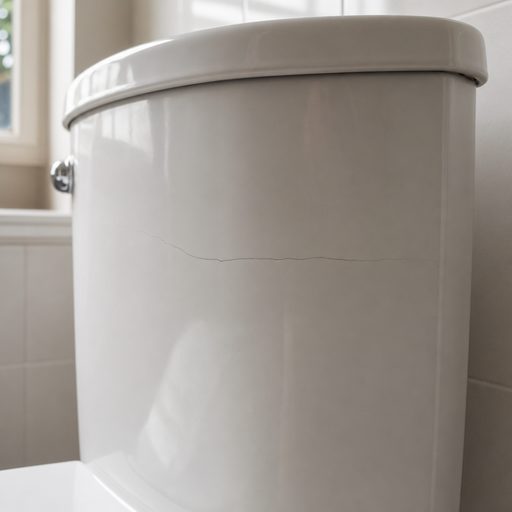
When to Replace a Toilet Instead of Repairing It
Need Plumbing Help Now?
Call Plumbing Advisors to connect with help for leaks, drains, water heaters, sewer lines, burst pipes, toilets, faucets, and more.
No-obligation request · Availability varies by location and provider