 Plumbing Advisors Editorial TeamEditorial StandardsSource review July 31, 2026Source-Checked
Confirm the reason, fit, and connections before ordering
Fixture choice and installation scope belong together
Choose a Chicago replacement only after the fixture reason, rough-in, bathroom fit, connection condition, WaterSense performance, and City plumbing responsibilities are documented.
A replacement model should match the rough-in, room, supply, flange, user needs, and local requirements. A new toilet does not correct a damaged flange, unstable floor, or shared drain problem by itself.
What supports replacement instead of another repair
Document the fixture's condition, repair history, performance, water use, fit, and any leak or floor damage. Replacement should solve a clear problem rather than serve as a guess.
| What you notice | What it may indicate | What to do next |
|---|---|---|
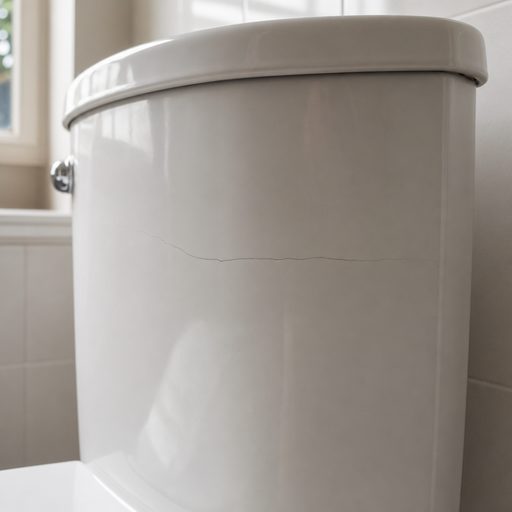
| The porcelain is visibly cracked | The fixture itself may no longer support a reliable repair | Keep the toilet out of service when the crack leaks or affects the bowl or tank structure. |
| Several repairs have addressed the same fixture | Replacement may be worth comparing with another targeted repair | Give the Chicago installer the repair history and ask whether another repair addresses the actual cause. |
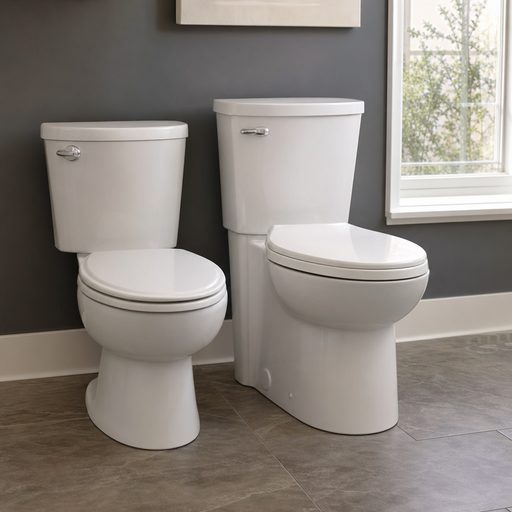
| The toilet does not fit the household well | Height, projection, bowl shape, controls, or room clearance may need to change | Measure the bathroom and list user needs before selecting a model. |
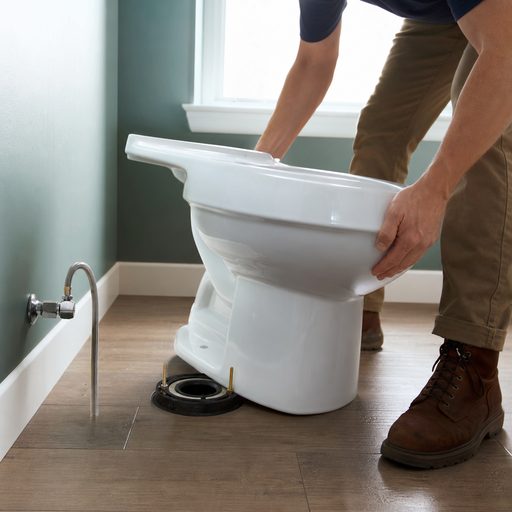
| The base has leaked or the toilet moves | The flange, mounting surface, seal, or floor may be part of the installation | Include inspection and a written allowance process for conditions found after removal. |
| The goal is lower water use without weaker performance | An independently certified WaterSense model can be compared | Verify the label, flush configuration, rough-in, and room fit for the exact model. |
Match the replacement model to the bathroom and Chicago scope
Chicago sets a maximum flush volume for water closets and regulates plumbing permits and licenses. Use those requirements alongside WaterSense performance certification and the measurements from the actual bathroom.
A model is advertised as high efficiency
Verify its WaterSense certification and Chicago flush volume, then confirm rough-in and room fit.
The old toilet has leaked or moved
Include flange, mounting surface, shutoff, supply, and floor inspection in the written scope.
The installer will perform regulated plumbing work
Check the active Chicago contractor record and assign permit and inspection responsibility.
The final price assumes an intact flange and floor
Require a written process for documenting and approving work found only after removal.
WaterSense and City efficiency requirements help screen products. The measured bathroom and exposed connection determine whether the model can be installed as proposed.
Sources: WaterSense - Residential Toilets, Chicago Municipal Code 18-29-604.4 - Fixture Water Consumption, Chicago Municipal Code 18-29-106.1 - Plumbing Permits and Licensing, Plumbing Contractors (Active)
Plan a toilet replacement in Chicago
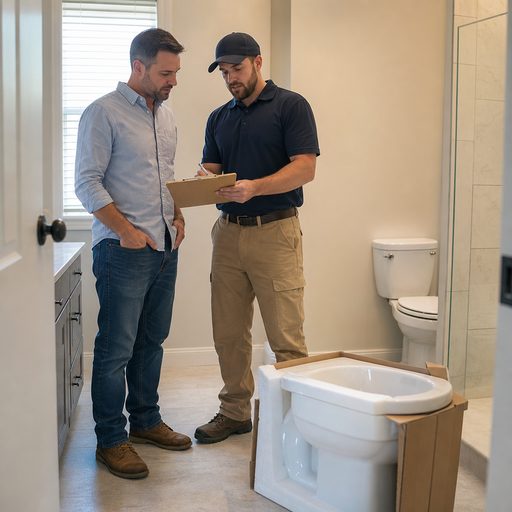
Share the replacement reason, rough-in, room dimensions, current connection condition, and preferred fixture features.
No-obligation request · Availability varies by location and provider
What professional toilet replacement service does
Swapping out an old, cracked, or constantly running toilet is a project where the right fixture and a clean install make all the difference. Plumbing Advisors helps you choose a new toilet and connect with installation help.
A toilet-replacement plan should verify the rough-in, bowl and tank clearance, supply and shutoff, flange, mounting surface, drain behavior, fixture certification, and user requirements before the model is ordered. The fixture and installation conditions are one scope.
The written proposal should identify the exact toilet, removal and disposal, new seal and mounting hardware, connection or flange work, floor exclusions, permit responsibility, final testing, and any return visit. Hidden floor or flange damage should be handled as a documented change, not an assumed add-on.
What shapes the replacement decision
The fixture itself cannot be repaired reliably
Cracked porcelain or a fixture that cannot be secured and sealed safely can support replacement. Confirm that the fixture is the failed part before assuming a new toilet will solve a drain or floor problem.
Repairs have become repetitive
List the parts and symptoms from recent repairs. Repeated work can support replacement, but a recurring clog or base leak should still be checked for a drain, flange, or floor cause.
Water use and tested performance matter
WaterSense-labeled tank toilets are independently certified for efficiency and performance. Compare certified models and actual fixture fit rather than relying on a low-flow claim alone.
Sources: WaterSense - Residential Toilets
The bathroom and users set the fit
Rough-in distance, bowl projection, seat height, door swing, nearby cabinetry, cleaning access, and user mobility can rule out an otherwise suitable model.
What to document before selecting a model
- Photograph the current toilet, supply, shutoff, base, surrounding floor, and model label if it is accessible.
- Measure from the finished wall to the center of the floor bolts without removing the toilet.
- Measure available bowl projection, width, door swing, and clearance to nearby cabinets or walls.
- List the height, bowl shape, flush control, cleaning, and mobility needs that matter to the household.
- Leave fixture removal, flange inspection, drain changes, and floor repair to the installation scope.
Do not order from flush volume alone
WaterSense certification includes both efficiency and performance criteria, but the selected toilet still needs to fit the bathroom, rough-in, connections, and household needs.
Sources: WaterSense - Residential Toilets
When the old toilet should stay out of service
A planned replacement should not delay prompt help for an active overflow, a spreading leak, unstable flooring, or cracked porcelain that is releasing water.
- The bowl is overflowing or wastewater is entering the bathroom.
- A crack in the tank or bowl is actively leaking.
- Water at the base is spreading into the surrounding floor.
- The fixture or supporting floor feels unstable.
Sources: WaterSense - Home Maintenance
How to compare replacement options
Use the same measurements and installation assumptions for every model. Separate fixture features from flange, supply, floor, permit, and disposal work.
| Method | Where it may fit | Important limitation |
|---|---|---|
| Like-for-like replacement | The current size, rough-in, height, and layout work well | The flange, supply, shutoff, and floor still need inspection during removal. |
| WaterSense model upgrade | The household wants independently certified efficiency and flush performance | Certification does not confirm bathroom fit or installation condition. |
| Comfort or accessibility change | Seat height, bowl shape, controls, or transfer space needs to change | A taller or longer model can interfere with doors, cabinets, or room clearance. |
| Replacement with connection repair | The flange, shutoff, supply, mounting surface, or drain needs documented work | The proposal must separate known work from conditions visible only after removal. |
Sources: WaterSense - Residential Toilets
What genuinely changes toilet replacement in Chicago
Chicago limits water-closet flush volume
The City's plumbing table lists 1.28 gallons per flushing cycle or the stated dual-flush equivalent for water closets. Compare the exact proposed model with that requirement before purchase.
Sources: Chicago Municipal Code 18-29-604.4 - Fixture Water Consumption
Permit and license responsibility belongs in the proposal
Chicago's code connects plumbing work with permits and licensing. The installer should identify whether the replacement scope needs a permit, who obtains it, and who schedules the required inspection.
Sources: Chicago Municipal Code 18-29-106.1 - Plumbing Permits and Licensing
Verify the contracting business before work begins
The City provides an active plumbing-contractor list with license and bond details. Match that listing to the company signing the replacement agreement.
Sources: Plumbing Contractors (Active)
Comparing a toilet replacement estimate
A Chicago toilet-replacement estimate should separate the fixture from removal, disposal, seal and mounting work, connection changes, flange or floor allowances, approvals, and final testing.
Scope factors
- Exact fixture, seat, supply parts, seal, mounting hardware, and warranty
- Rough-in, bowl projection, room clearance, user fit, and access
- Shutoff, supply, flange, drain, mounting surface, and floor condition
- Removal, disposal, permit, inspection, testing, and return responsibility
- Known work versus conditions that can be confirmed only after removal
Questions for the estimate
- Which exact fixture and installation parts are included?
- Are removal, disposal, permit, inspection, and final testing included?
- How will flange or floor conditions found after removal be documented and priced?
- Does the model fit the measured rough-in, room, and user requirements?
What to tell Plumbing Advisors
Measurements, photos, and a clear replacement reason make fixture and installation proposals easier to compare.
- The reason for replacing the toilet at the Chicago property
- Current model, rough-in measurement, bowl projection, and room clearances
- Photos of the supply, shutoff, base, floor, and model label
- Preferred height, bowl shape, flush control, and household accessibility needs
- Any known flange, leak, floor, or drain concern
- Removal, disposal, permit, inspection, repair, testing, and warranty responsibility
Plumbing Advisors does not dispatch its own local technicians. The independent professional is responsible for confirming availability, credentials, diagnosis, price, warranty terms, and work performance.
Toilet Replacement in Chicago: frequently asked questions
What toilet flush volume should I compare in Chicago?
Chicago's plumbing table lists a 1.28-gallon maximum per flushing cycle or the stated dual-flush equivalent. Confirm the exact model and its certification instead of relying only on a product description.
Does WaterSense mean a toilet will fit my Chicago bathroom?
No. WaterSense addresses certified efficiency and performance. The rough-in, bowl projection, height, door and cabinet clearance, supply, flange, and user needs still have to match the room.
What hidden conditions should a Chicago replacement proposal address?
Ask how the installer will document a damaged flange, unstable mounting surface, shutoff problem, or floor damage found after removal and whether that work requires a change to the approved scope.
Sources and editorial methodology
Sources are included when they substantively support a local, safety, technical, or consumer decision on this page.
- EPA WaterSense supports national efficiency and performance comparisons.
- Chicago code and contractor records support the local fixture, permit, and credential checks.
- No citywide condition is treated as evidence that the home's toilet, flange, floor, or drain has failed.
U.S. Environmental Protection Agency
WaterSense - Residential ToiletsU.S. Environmental Protection Agency
WaterSense - Home MaintenanceCity of Chicago
Plumbing Contractors (Active)