 Plumbing Advisors Editorial TeamEditorial StandardsUpdated April 30, 2026Source-Checked
Most of the time, a toilet that acts up is worth repairing, because the parts that fail most often are inexpensive and made to be swapped out. But there is a point where another repair stops making sense and a new toilet becomes the smarter choice. Knowing where that line falls saves money and spares you the frustration of fixing the same fixture over and over. The decision usually comes down to a handful of clear signals rather than guesswork, and recognizing them ahead of time helps you ask a plumber the right questions and avoid pouring money into a toilet that is near the end of its life.
Signs It Is Time to Replace Rather Than Repair
Certain problems point clearly toward replacement instead of one more fix. The clearest of all is damage to the porcelain itself, which cannot be patched reliably, but a pattern of repeated repairs or an aging, inefficient fixture can tip the balance just as surely. The points below are the situations where a new toilet usually wins out.
- A cracked bowl or tank. Porcelain cannot be repaired dependably, and a crack can fail suddenly and flood the bathroom, so a cracked fixture almost always means replacement.
- Repairs that keep stacking up. If you are replacing parts on the same toilet again and again, the cost and hassle of repeated fixes often exceed the value of a new one.
- A very old, high-volume toilet. Older models use far more water per flush than modern ones, so replacing one can lower your water bill enough to offset much of the cost over time.
- Constant clogging despite a strong flush and good habits. An older or weak-flushing design that backs up no matter what often performs far better as a modern fixture.
- Wobble from a damaged flange or floor. If the toilet rocks because the flange or subfloor underneath has deteriorated, a new toilet set on a repaired base is usually the lasting fix.
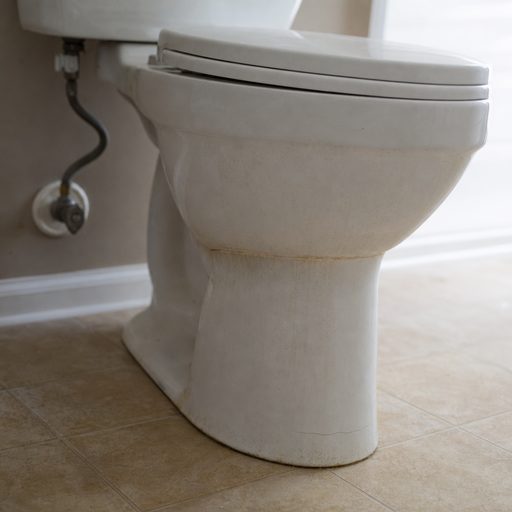
- Deep staining or surface damage that will not clean. Etched or pitted porcelain holds stains and is a sign of an aging fixture nearing the end of its service.
Weigh the repair against the cost of a new toilet
A useful rule of thumb is to compare the price of the repair against the cost of a comparable new toilet and its installation. If a single fix restores a sound toilet for a fraction of replacement, repair usually wins. When repairs keep recurring or approach the cost of a new fixture, replacement is often the better value over the long run.
When a Repair Is Still the Right Call
It is worth remembering that replacement is not always the answer, and many toilets have plenty of life left. If the toilet is reasonably modern, flushes well when its parts are working, and shows no cracks, then a single worn component is almost always cheaper to fix than to replace the whole fixture. A running toilet from a tired flapper, a slow refill from a failing fill valve, or a leak at the base from an old wax ring are all routine repairs on an otherwise sound toilet. The math only shifts toward replacement when the fixture itself is damaged, badly outdated, or asking for one repair after another.
When to Call a Professional
A professional can help you make this call with confidence by diagnosing what is actually wrong and explaining whether a repair will hold. Toilet repair service handles the common worn-part and seal fixes that keep a sound toilet in service, while toilet replacement is the better path when the fixture is cracked, badly aged, or no longer worth repeated fixes. A plumber can also confirm that the flange and floor are sound before setting a new toilet so the replacement seals correctly. To read the early warnings before a toilet forces the decision, see our guide on the signs your toilet is wearing out, and once replacement looks likely, our guide on how much toilet replacement costs explains what drives the price so you can plan the project.
Sources and further reading
These references support material safety, technical, consumer, or planning guidance in this article. Confirm property-specific requirements with the applicable authority and professional.