 Plumbing Advisors Editorial TeamEditorial StandardsUpdated April 28, 2026Source-Checked
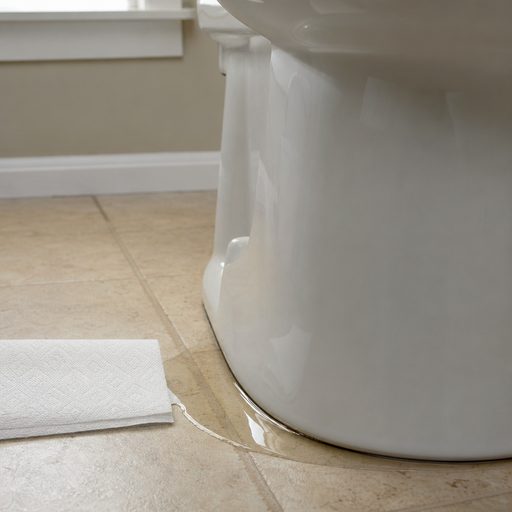
Finding water pooling around the bottom of your toilet is unsettling, and it is rarely something to ignore. Unlike a running toilet that wastes water quietly inside the tank, a leak at the base puts water directly onto your floor, where it can work its way into the subfloor and cause real damage over time. The good news is that the cause is usually a worn seal or a loose connection rather than a broken toilet, and a few safe checks can help you tell how urgent the problem is. Understanding where the water is actually coming from is the first step toward getting it fixed before it spreads.
Common Causes of a Leak at the Base
When water appears at the bottom of a toilet, the most frequent culprit is the wax ring, the seal that sits between the bottom of the toilet and the drain flange in the floor. Over years of use, this seal can dry out, crack, or shift, allowing a little water to escape with each flush. But the wax ring is not the only possible source, and it is worth ruling out simpler explanations before assuming the worst. The points below are the usual reasons water shows up around the base.
- A failing wax ring that no longer seals the toilet to the drain, letting water seep out at the base with each flush.
- Loose closet bolts that allow the toilet to rock slightly, breaking the seal underneath over time.
- Condensation on the tank and bowl in humid weather, which can drip down and mimic a leak without any seal failure.
- A cracked toilet base or tank, which is less common but more serious and usually means replacement.
- A loose or leaking water supply line connection, where the water is actually coming from the side rather than underneath.
Standing water can quietly damage your floor
Even a small, slow leak at the base can soak into the subfloor and lead to soft spots, rot, or mold that you cannot see until it is widespread. If the floor around the toilet feels spongy, the toilet rocks, or you notice a musty smell, treat it as more than a cosmetic issue and have it looked at promptly.
Safe Checks You Can Make
There are a few harmless things you can verify before calling for service. Start by drying the floor completely, then watch to see when the water returns. If it reappears mainly after a flush, a failing wax ring is the likely cause; if it collects gradually on humid days and the tank feels cold and wet, condensation may be the real explanation. Gently check whether the toilet rocks when you put light pressure on it, since a loose toilet often points to a broken seal. You can also feel the water supply line and its connections to rule out a leak coming from the side. These checks are safe and help you describe the problem clearly, but resetting a toilet and replacing a wax ring is heavier, messier work best left to a professional.
When to Call a Professional
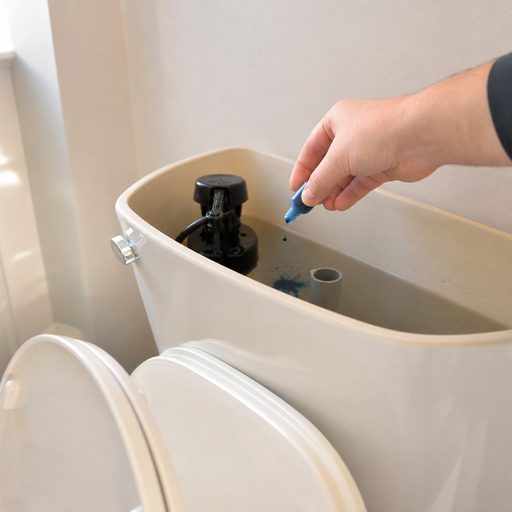
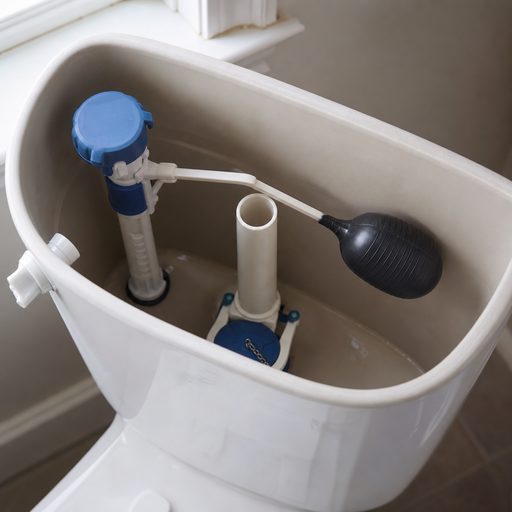
A leak at the base usually warrants professional attention, because fixing it properly means lifting the toilet, replacing the seal, and checking that the flange and floor underneath are still sound. Toilet repair service can reset the toilet on a fresh wax ring, secure it correctly, and confirm the leak is gone rather than just hidden. If the bowl or tank is cracked, or the floor beneath has been damaged, toilet replacement may be the better path, and a professional can advise on which makes more sense. To rule out a quieter leak elsewhere in the toilet first, our guide on how to tell if your toilet is leaking covers the dye test and other checks, and understanding the common toilet parts that fail can help you follow what the plumber recommends.
Sources and further reading
These references support material safety, technical, consumer, or planning guidance in this article. Confirm property-specific requirements with the applicable authority and professional.