 Plumbing Advisors Editorial TeamEditorial StandardsUpdated July 5, 2026Source-Checked
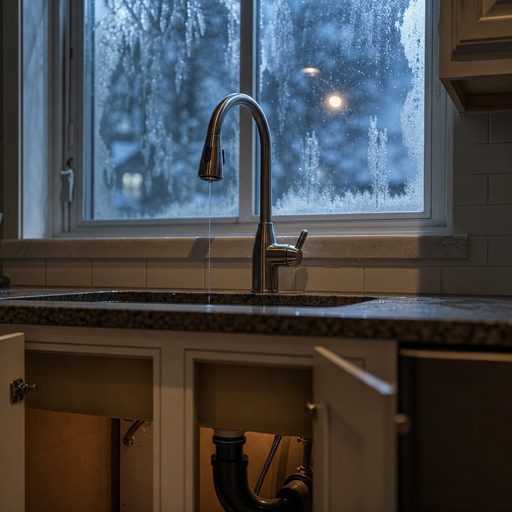
Yes—letting faucets drip can help in freezing weather, but only in the right situations. A small, steady flow through vulnerable pipes makes freezing less likely and can reduce pressure if ice begins to form. Drip both hot and cold at faucets served by exposed or hard-to-heat pipe runs, especially near exterior walls.
When does letting faucets drip actually help?
Dripping a faucet is most useful when temperatures stay below freezing long enough to threaten pipes in unheated or poorly insulated spaces. The goal is not to “heat” the pipe. It is to keep water moving through sections that are most likely to freeze, such as lines in exterior walls, crawl spaces, attics, garages, and cabinets under sinks on outside walls. Moving water resists freezing better than still water, and an open faucet also gives expanding water somewhere to go if ice starts forming in the line.
This step matters most during hard cold snaps, power outages, furnace failures, or when a home will be vacant and indoor temperatures may drop. It is less important if all supply lines run through conditioned interior spaces and the home stays reliably warm. If you are worried about repeated winter pipe problems, the more complete guide is How to Prevent Frozen Pipes, which covers insulation, air sealing, and temperature control.
Which faucets should you let drip?
Choose faucets connected to the most vulnerable pipe runs, not necessarily every faucet in the house. Good candidates are fixtures on exterior walls, sinks in bathrooms or kitchens that feel especially cold, laundry sinks in unheated areas, and plumbing branches far from the part of the house that stays warmest. In many homes, the best faucet is one near the end of a branch line, because moving water through the full run helps protect more pipe.
- Start with faucets served by pipes in exterior walls, crawl spaces, attics, garages, or over unheated basements.
- Favor fixtures farthest from where water enters the home or at the end of long branch lines.
- If a sink cabinet is on an exterior wall, open the cabinet doors so warmer room air can reach the pipes.
- If the home has both hot and cold vulnerable runs, drip both sides—not just the cold handle.
If you have a single-handle faucet, set it so both hot and cold are flowing slightly. That matters because the hot-water side can freeze too, especially where hot lines run through cold cabinets, exterior walls, or unheated spaces before reaching the faucet. Dripping only the cold side may leave the hot branch unprotected.
How much should a faucet drip in cold weather?
You only need a small, steady trickle—not a full stream. The idea is continuous movement through the line, not heavy flow. A thin drip may be enough in a mild freeze, while a small thread of water can make more sense during more severe cold or in a pipe run with a history of freezing. If you hear the line slowing down, sputtering, or stopping, that can mean ice is forming despite the drip.
Pair dripping with the basics that make it work better: keep the home heated, seal drafts near plumbing, and open cabinet doors under sinks on outside walls. If the home uses a tank water heater, remember that both the cold supply to the heater and the hot distribution lines can be at risk in freezing conditions. Dripping is a short-term protective step, not a substitute for fixing chronic cold exposure around plumbing.
Use dripping as one part of a winter protection plan
A dripping faucet helps most when combined with indoor heat, open sink cabinets, and attention to exposed pipe runs. If a pipe freezes often, ask a local pro about insulation, rerouting, or other Plumbing Repair options before the next cold snap.
When is dripping not enough?
Letting faucets drip will not reliably protect pipes during extreme cold, long power outages, major heat loss, or when plumbing sits in spaces with direct exposure to freezing air. It also may not help much if a pipe is already packed with ice, badly air-leaked, or located in a wall cavity that never sees indoor warmth. In those cases, the better move is to raise indoor heat if possible and get professional help if flow drops or stops.
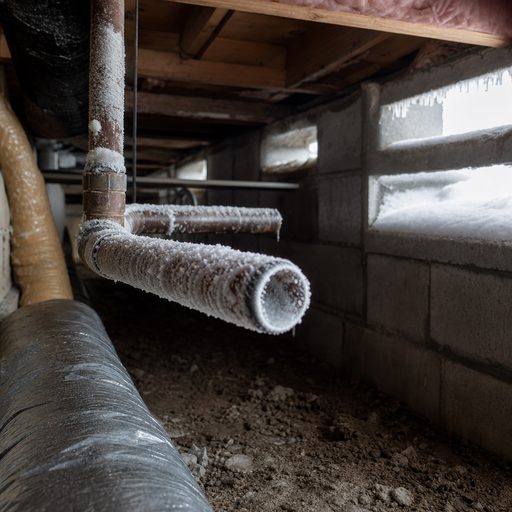
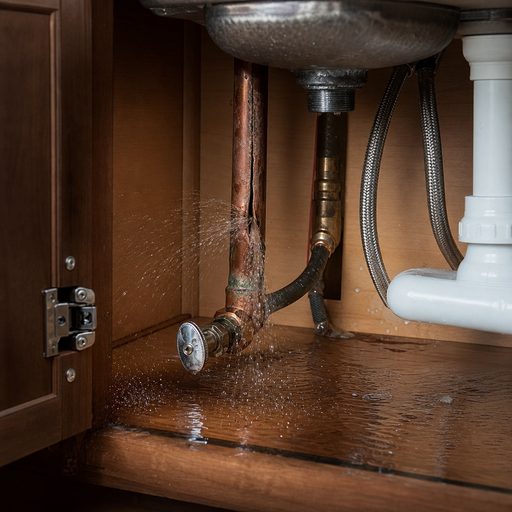
Watch for warning signs that need quick attention: one faucet loses pressure while others work normally, no water comes from the hot side only, frost appears on visible pipe, or you notice bulging, cracking, or damp spots after temperatures rise. If a line has already split, you may need Burst Pipe Repair rather than preventive measures. If you suspect damage, shut off water to the affected area or the home if needed, and review What to Do When a Pipe Bursts for next steps.
What should homeowners do besides dripping faucets?
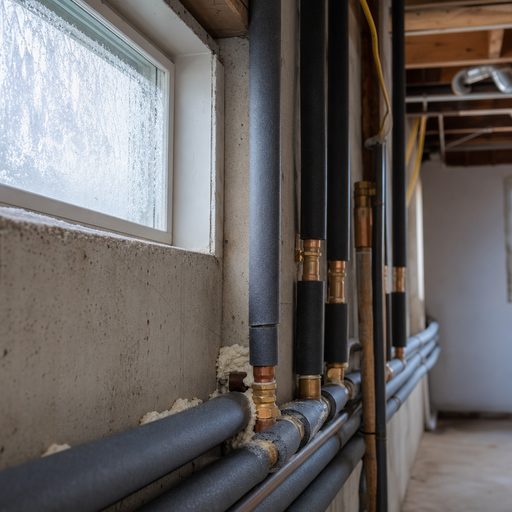
The best protection is reducing how cold the pipes get in the first place. Keep the home consistently heated, especially overnight. Open vanity and kitchen sink cabinets on exterior walls. Close garage doors if water lines run through the garage. If you know where pipes are exposed in a crawl space, basement rim area, or attic, those locations deserve attention before the next freeze arrives.
If you leave home during winter weather, do not set the thermostat too low. Ask someone to check the house during severe cold if possible. Homes with a history of winter plumbing trouble often benefit from a professional inspection, because the long-term fix may involve insulation, air sealing, or rerouting vulnerable piping. That falls under Plumbing Repair, and it is usually more effective than relying on dripping faucets every time temperatures plunge.
Should I drip only the cold water side?
No. If the faucet has separate hot and cold supplies, both sides can freeze if those pipes run through cold spaces. Use a small flow from both hot and cold, or set a single-handle faucet so each side is moving. This helps protect more of the branch piping, not just the cold line.
Do I need to let every faucet in the house drip?
Usually not. Focus on faucets supplied by the most exposed or freeze-prone pipes, especially fixtures on exterior walls or at the ends of long runs. If your plumbing is mostly inside conditioned space, dripping one or two strategic faucets may be enough during a cold snap.
Will opening sink cabinet doors really help?
Yes, it can help when pipes are inside cabinets on outside walls. Opening the doors allows warmer room air to reach the supply lines and angle stops under the sink. It is a simple step that works best when the home is heated and the cabinet is not blocked by stored items.
What if my faucet stops dripping or only trickles during a freeze?
That can mean the line is starting to freeze. Keep the home warm and watch closely for changes in flow elsewhere. If water does not return or you see signs of leakage after temperatures rise, contact a local plumber for diagnosis. A hidden split may not show up until the pipe thaws.
Sources and further reading
These references support material safety, technical, consumer, or planning guidance in this article. Confirm property-specific requirements with the applicable authority and professional.