 Plumbing Advisors Editorial TeamEditorial StandardsUpdated June 4, 2026Source-Checked
Before you call for help, a few safe and simple checks can sometimes solve a minor problem outright, and when they do not, they help you describe the situation clearly so the plumber arrives ready to work. None of the steps here require special tools, taking anything apart, or any risk to your safety, and that is the point: there are smart things a homeowner can do and there are jobs best left to a professional. Knowing the difference saves time, and occasionally a service call, without putting your home or yourself in harm's way.
Simple Checks That Sometimes Fix the Problem
A surprising number of minor plumbing complaints come down to something small and harmless that you can verify in a few minutes. These checks are completely safe and occasionally resolve the issue on their own, saving you a visit. If they do not, you will at least have ruled out the easy explanations before anyone is dispatched.
- If a single faucet has weak flow, unscrew and rinse the aerator at the tip; mineral buildup there is a common, easy culprit.
- For a slow drain, try a cup or flange plunger and clean the visible stopper of hair and debris.
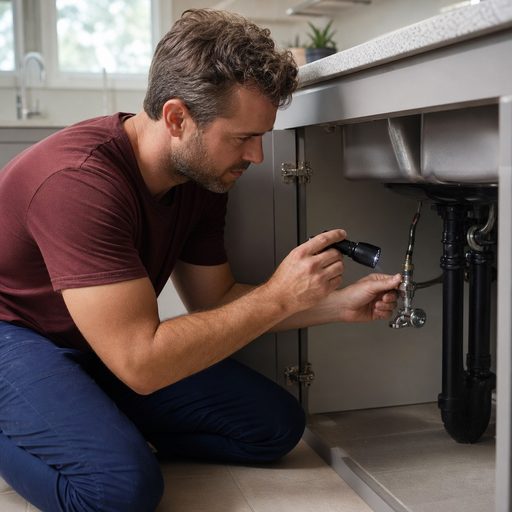
- If a fixture is leaking, check whether the local shutoff valve under the sink or behind the toilet is fully open or in need of attention.
- For a running toilet, lift the tank lid and look for a flapper that is not sealing or a fill valve that will not shut off.
- Confirm nothing simple is to blame, such as a partly closed valve or a hose still connected to an outdoor spigot.
Know Where Your Shutoffs Are
The single most valuable thing you can do before any plumbing trouble strikes is to know where your water shutoffs are and confirm they turn. Most fixtures have a local valve nearby, and your home has a main shutoff where the water line enters, often in a basement, crawl space, utility closet, or outside near the meter. Being able to stop the water quickly turns many emergencies into manageable problems, because it halts the damage while you arrange for help. Find and label these valves now, while there is no water on the floor and no pressure to hurry.
Some checks are never do-it-yourself
Stick to shutoffs, plungers, aerators, and visual inspection. Never attempt gas-line work, water-heater wiring, or any electrical repair, and never use chemical drain cleaners. If you smell gas, leave and call your gas utility's emergency line from a safe location. Anything that involves gas, electricity, opening a wall, or going under the slab is a job for a qualified professional, full stop.
Gather Information for the Call
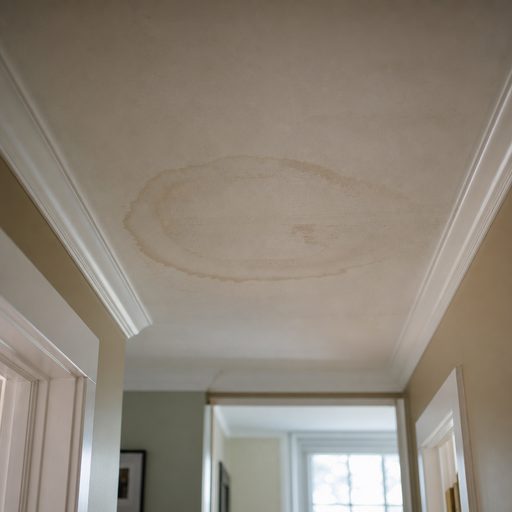
If the safe checks do not solve the problem, the next best step is to gather a clear picture for the plumber. Note when the problem started, which fixtures are affected, whether it is constant or comes and goes, and anything you have already tried. A few photos of a leak or a problem fixture can help, too. This kind of detail lets a plumber understand the situation before arriving, bring the right parts, and give you a more accurate estimate, which often makes the visit shorter and the bill easier to predict.
When to Call a Professional
When the safe checks above do not resolve the issue, or any time the problem involves gas, electricity, hidden leaks, or water you cannot stop, a professional plumbing repair service is the right next step, and a broader plumbing service can also catch related problems while they are there. To judge how quickly you need to act, see our guide on the signs you should call a plumber now, and when you are ready to choose someone, our guide on how to find a reliable plumber walks through vetting a pro you can trust.
Sources and further reading
These references support material safety, technical, consumer, or planning guidance in this article. Confirm property-specific requirements with the applicable authority and professional.