 Plumbing Advisors Editorial TeamEditorial StandardsUpdated May 21, 2026Source-Checked
Opening a water bill that is suddenly much higher than usual is unsettling, especially when nothing about your daily routine seems to have changed. A sharp, unexplained increase almost always means water is being used somewhere you have not noticed, whether through a slow leak, a fixture that never fully shuts off, or a seasonal change in how much water your household uses. The reassuring part is that the cause is usually something you can narrow down with a few simple checks before deciding whether you need professional help.
Common Reasons a Water Bill Jumps
Most sudden increases trace back to either a leak or a quiet change in usage. The challenge is that the biggest water wasters are often the ones you cannot easily see or hear, so a bill that climbs without any obvious cause is worth taking seriously. It also helps to compare the new bill against the same month in previous years, since a jump that lines up with warmer weather often points to seasonal use rather than a hidden problem. Running through the common culprits below can help you spot which one fits your situation before you start testing.
- A running or silently leaking toilet, which can waste hundreds of gallons a day and is one of the most common causes of a high bill.
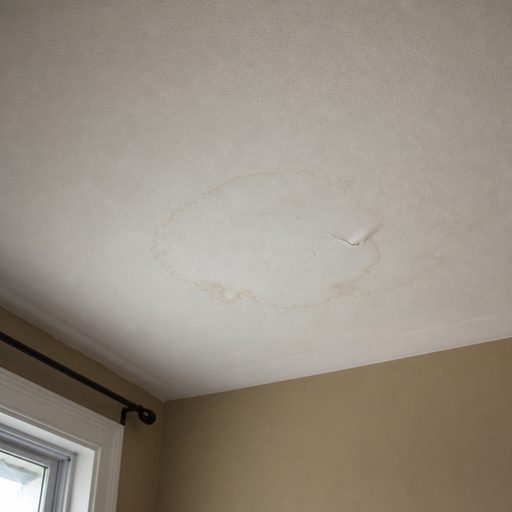
- A hidden leak inside a wall, under the floor, or beneath a concrete slab that wastes water continuously out of sight.
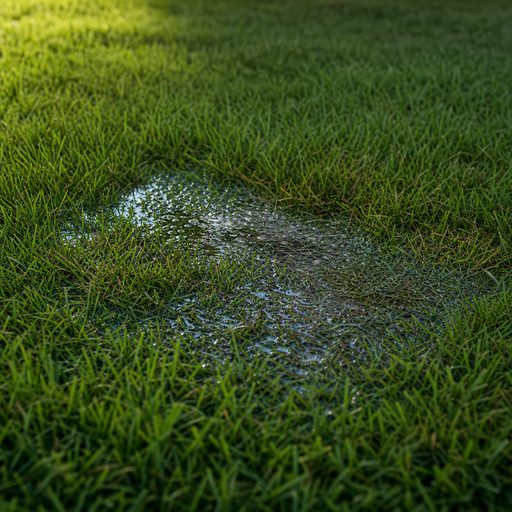
- Irrigation or sprinkler systems running too long, too often, or leaking underground where the loss is invisible.
- Seasonal use such as summer lawn watering, filling a pool, gardening, or more guests in the home.
- Dripping faucets and worn fixtures that waste a steady trickle around the clock.
- A meter reading error, an estimated bill, or a recent rate increase from your utility.
A toilet dye test catches a silent leak
Toilets are a frequent hidden culprit because a leaking flapper often makes no sound. Add a few drops of food coloring to the tank, wait about fifteen minutes without flushing, and check the bowl. If color appears in the bowl, the toilet is leaking and wasting water. Always turn off the toilet's shutoff valve before removing any tank parts.
How to Investigate With Your Meter
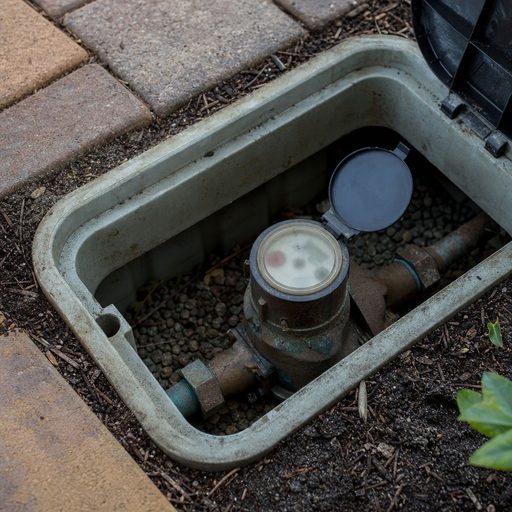
Your water meter is the most reliable tool for confirming a leak. Turn off every fixture and water-using appliance in the home, including ice makers and irrigation, then find your meter and note the reading or the position of the small leak-indicator dial. Wait one to two hours without using any water at all, then check again. If the reading has moved while nothing was running, water is flowing somewhere it should not be, which strongly suggests a leak. This test reliably tells you that a leak exists, though it will not pinpoint exactly where it is hiding. If the meter holds steady, the increase is more likely from seasonal use, a billing change, or a fixture you simply use more often than you realized.
When to Call a Professional
If your meter test points to a leak but you cannot find an obvious source like a dripping faucet or running toilet, the water may be escaping inside a wall, underground, or beneath your foundation, where finding it takes specialized tools. Resist the urge to open walls or break into flooring yourself, since you can easily cause more damage or miss the real location. Professional leak detection uses acoustic, moisture, and thermal equipment to locate a hidden leak without unnecessary demolition, slab leak repair addresses leaks found beneath concrete, and broader plumbing repair can fix accessible lines and fixtures. For a closer look at the warning signs, our guide on how to find a hidden plumbing leak covers what to watch for, and our guide on how to read your water meter explains the meter test in more detail so you can confirm a leak with confidence.
Sources and further reading
These references support material safety, technical, consumer, or planning guidance in this article. Confirm property-specific requirements with the applicable authority and professional.