 Plumbing Advisors Editorial TeamEditorial StandardsSource review July 31, 2026Source-Checked
Confirm the failed part before approving plumbing repair
Known symptom, defined repair
Define the failed Chicago fixture, connection, pipe, drain, or appliance and the repair endpoints before deciding whether the work is a contained repair, permitted alteration, or water-service matter.
A repair should follow an observed condition and a defined endpoint. Repeated symptoms or work hidden behind finishes may require more investigation before the final scope is known.
What should be documented before repair
Record when the problem appears, which fixture or line is involved, whether water use triggers it, and what earlier work has already been tried.
| What you notice | What it may indicate | What to do next |
|---|---|---|
| A visible fixture or connection leaks | A contained component or connection repair may fit after inspection | Record when it leaks and ask the estimate to identify the part and post-repair test. |
| Water appears but the source is hidden | Locating and access planning may be needed before repair | Authorize investigation separately from demolition, repair, drying, and restoration. |
| The same issue returned after an earlier repair | The earlier finding, repair endpoint, or another connected condition may need review | Provide the prior invoice, photos, parts, and test result before repeating the work. |
| The provider recommends a larger replacement | The observed condition may extend beyond one component, or the proposal may need more evidence | Ask for documented endpoints, alternatives, access, testing, and the finding that supports the larger scope. |
Match the Chicago repair paperwork to the observed failure
The City's code addresses permits and plumbing licenses, and its active-contractor record provides a separate verification step. Use those records after the repair area and proposed work are defined.
A replaceable fixture part has failed
List the exact component, compatible replacement, test, and any excluded adjacent damage.
A pipe section or connection is damaged
Define both repair endpoints, access, material transition, testing, and restoration.
The work expands behind a wall or floor
Ask whether the expanded Chicago scope changes permit or inspection responsibility.
The failure may be on the water service
Keep program eligibility and service-line inspection separate from the interior repair estimate.
Neither an older building nor one failed component proves that broader replacement is necessary.
Sources: Chicago Municipal Code 18-29-106.1 - Plumbing Permits and Licensing, Plumbing Contractors (Active), Breaks and Leaks Replacement Program
Describe the repair problem in Chicago
Share the exact symptom, affected area, active water status, recurrence history, and any previous diagnosis or repair.
No-obligation request · Availability varies by location and provider
What professional plumbing repair service does
Plumbing repairs cover the everyday problems that wear down over time: leaks, dripping fixtures, weak water pressure, and pipes that need attention. Plumbing Advisors helps you understand the issue and connect with repair help.
Plumbing repair should begin with the affected fixture, line, valve, connection, drain, or appliance and follow the evidence outward only as needed. The proposal should identify what is being repaired and how normal operation will be confirmed.
Repair, partial replacement, rerouting, and broader system replacement are different scopes. A recommendation to expand the work should be tied to documented access, condition, compatibility, testing, and restoration needs.
What can change a plumbing repair
The symptom appears only during use
Water that appears while a fixture fills, drains, heats, or operates can narrow the inspection to the connected supply, drain, seal, valve, or appliance path.
Sources: WaterSense - Home Maintenance
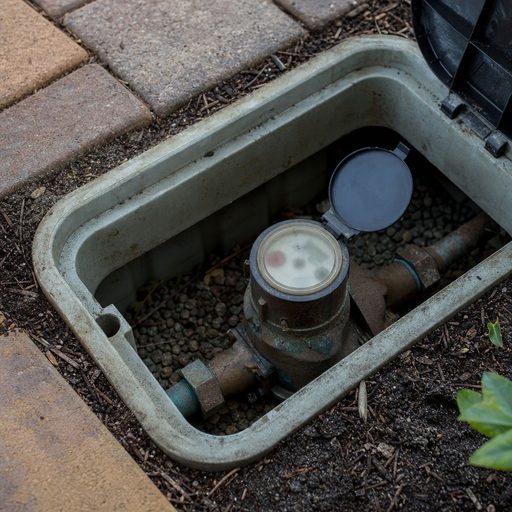
The meter changes with fixtures off
A controlled meter check can support further leak investigation, but it does not reveal the location, material, or repair method on its own.
Sources: WaterSense - Home Maintenance, WaterSense - Leak Detection and Flow Monitoring Devices
The same problem returns
A recurring leak, clog, pressure change, or loose connection deserves a review of the earlier finding and test result before the same repair is repeated.
Access or adjacent materials are damaged
Walls, cabinets, floors, finishes, insulation, or electrical equipment can change the order of work and may require separate restoration or safety professionals.
What to document without opening the system
- Stop using the affected fixture when continued use makes the leak, backup, or overflow worse.
- Photograph visible water, staining, corrosion, connections, and the model label before cleanup when it is safe.
- Note whether the symptom appears during filling, use, draining, heating, or after everything is off.
- Use a known fixture or main shutoff only when it is dry and safely accessible.
- Do not open walls, disconnect gas, enter wastewater, or handle wet electrical equipment to investigate.
Stabilize water before opening a repair area
Active water and wet electrical equipment can change a routine repair into a safety problem. Keep the area clear and do not enter standing water to reach plumbing or electrical controls.
When plumbing repair cannot wait
Stabilize active water, wastewater, hot-water hazards, and wet electrical areas before a routine repair proceeds. Keep people away when access is unsafe.
- The leak cannot be stopped from a dry, safely accessible shutoff.
- Wastewater or contaminated water is entering occupied space.
- Hot water or steam creates a burn risk around the failed equipment or fixture.
- Water has reached electrical equipment, appliances, receptacles, controls, or a panel.
How repair and replacement decisions differ
The least disruptive reliable option depends on the observed failure, compatible parts, access, surrounding condition, recurrence, and a clear test after the work.
| Method | Where it may fit | Important limitation |
|---|---|---|
| Adjustment or replaceable component | A verified valve, seal, connector, control, or serviceable fixture part | It should not be used to mask a damaged body, line, drain, mounting surface, or unsafe connection. |
| Targeted pipe or connection repair | A documented, accessible defect with sound endpoints | The proposal should state where the repair starts and stops and how both endpoints will be tested. |
| Partial replacement or reroute | The failed section is not reliably repairable or safe access favors a new path | It requires defined material transitions, access, permits where applicable, and restoration responsibilities. |
| Broader replacement review | Documented failures or incompatibilities extend beyond one isolated repair | Age, city, pressure, or one failure alone should not authorize whole-system replacement. |
Sources: WaterSense - Home Maintenance
What genuinely changes plumbing repair in Chicago
The repair should name its permit boundary
Chicago's plumbing code links regulated work to permit and licensing chapters. The estimate should say whether the defined repair falls within that process.
Sources: Chicago Municipal Code 18-29-106.1 - Plumbing Permits and Licensing
Contractor status can be checked before authorization
Use the City's active plumbing-contractor record for the business responsible for the regulated scope, not only the person preparing the estimate.
Sources: Plumbing Contractors (Active)
Water-service replacement has a separate evidence threshold
The breaks-and-leaks program is tied to documented service-line conditions and eligibility. An interior stain, fixture leak, or changed bill does not establish that threshold.
Sources: Breaks and Leaks Replacement Program
Comparing a plumbing repair estimate
A Chicago plumbing repair estimate should price a defined failure, access plan, repair endpoint, and test rather than an unexplained allowance.
Scope factors
- Observed failure, location, recurrence, and whether water is active
- Exact parts, materials, transitions, shutoffs, and repair endpoints
- Diagnostic, access, demolition, drying, electrical, and restoration responsibilities
- Permit, inspection, testing, cleanup, warranty, and follow-up
- Conditions that could change the scope and the required authorization process
Questions for the estimate
- What finding supports this repair and where does the work start and stop?
- Which parts, access, testing, restoration, and permits are included?
- What alternatives were considered and why was this option selected?
- What new condition would require a written change before work continues?
What to tell Plumbing Advisors
A useful repair request includes the symptom timeline, safe photos, earlier work, access limits, and the result you need restored.
- Describe the exact Chicago fixture, pipe, connection, drain, or appliance involved.
- Record when the symptom appears and whether a safe shutoff or stopping use changes it.
- Provide earlier repair invoices, parts, photos, warranties, and test results.
- Identify access limits and any wet finishes, electrical equipment, or restoration needs.
- Ask the estimate to define repair endpoints, tests, permits, warranties, and exclusions.
Plumbing Advisors does not dispatch its own local technicians. The independent professional is responsible for confirming availability, credentials, diagnosis, price, warranty terms, and work performance.
Plumbing Repair in Chicago: frequently asked questions
What should a Chicago plumbing repair estimate identify?
It should name the observed failure, repair endpoints, parts and materials, access, testing, permit responsibility, and restoration or follow-up work that is not included.
Can one Chicago leak justify replacing a larger plumbing system?
Not by itself. Broader replacement should be supported by documented conditions beyond the isolated failure, compatible endpoints, access findings, and a comparison of reliable options.
Sources and editorial methodology
Sources are included when they substantively support a local, safety, technical, or consumer decision on this page.
- National sources support observable leak and moisture evidence without assigning a remote diagnosis.
- Chicago sources support only permit, license, contractor-status, and water-service program boundaries.
- No building-age or neighborhood statement is used to infer pipe material or condition.
U.S. Environmental Protection Agency
WaterSense - Home MaintenanceU.S. Environmental Protection Agency
WaterSense - Leak Detection and Flow Monitoring DevicesU.S. Environmental Protection Agency
Safe Drinking Water Act Lead-Free Requirements for Plumbing ProductsCenters for Disease Control and Prevention
Safety Guidelines: Reentering Your Flooded HomeCity of Chicago
Plumbing Contractors (Active)City of Chicago
Breaks and Leaks Replacement Program