
Plumbing Repair
Plumbing Repair in North Dakota
Homeowners comparing plumbing repair in North Dakota should first define whether the problem remains at one fixture or follows a shared supply or drain path. Use the state guidance on this page to verify the business and planning process, then rely on an on-site inspection for the recommendation.
Plumbing Advisors provides guidance and connection assistance. Independent providers perform the plumbing work and confirm availability, pricing, timing, and credentials.
On this pageOverview
 Plumbing Advisors Editorial TeamEditorial StandardsSource-Checked
Plumbing Repair across North Dakota
Homeowners comparing plumbing repair in North Dakota should first define whether the problem remains at one fixture or follows a shared supply or drain path. Use the state guidance on this page to verify the business and planning process, then rely on an on-site inspection for the recommendation.
A repair recommendation should follow an inspection that identifies the failed component and a testable repair boundary.
When plumbing repair may fit
- A faucet, valve, or pipe is dripping or leaking
- Water pressure has dropped at one or more fixtures
- A fixture is loose, noisy, or not working correctly
- You see stains or moisture near pipes or fixtures
Causes or scope drivers to inspect
- Worn washers, O-rings, and cartridges
- Corroded or aging pipe sections and fittings
- Loose or failing supply and shutoff valves
- Mineral buildup restricting flow
- Past repairs that were not done correctly
Comparing a plumbing repair quote
For plumbing repair in North Dakota, compare itemized quotes for the same inspected scope. Access, testing, equipment or parts, permits, restoration, and urgency can affect the final price.
Typical plumbing repair costs
| Project | Typical cost range |
|---|---|
| Dripping faucet repair | $130–$370 |
| Faucet cartridge replacement | $155–$440 |
| Leaky pipe repair (accessible) | $175–$580 |
| Leaky pipe repair (inside a wall) | $400–$1,400 |
| Toilet repair (fill valve, flapper, leak) | $120–$380 |
| Typical leak repair (overall average) | $175–$820 |
Cost ranges are estimates developed from standardized project scopes and reviewed pricing inputs. Government labor and regional cost data are used where applicable. See our Pricing Methodology for the exact sources, calculations, and review date. Actual prices vary by property, scope, materials or equipment, location, and provider.
What affects the cost
- The type of repair, since a faucet cartridge differs greatly from a pipe section
- How accessible the problem is, such as under a sink versus inside a wall
- Quality of the parts or fixtures being installed
- Whether water damage or corrosion is also present
- How many fixtures or components need attention
- Whether the visit is routine or after-hours
- Local labor rates and any permits required
State guidance for North Dakota
For plumbing repair in North Dakota, prepare the access needed to expose, isolate, repair, and retest the failed component. Confirm the inspected scope, credentials, permits, inspections, exclusions, and restoration responsibility before authorizing work.
Credential verification
Plumbing is regulated statewide by the North Dakota State Board of Plumbing, which states that any person performing plumbing in North Dakota must be licensed with the board. For most plumbing work, hiring a state-licensed plumber is the safe choice, and you can confirm a credential through the board's online License Lookup.
The board issues three main classifications: Master Plumber, Journeyman Plumber, and Plumber's Apprentice. Apprentices work under supervision while training, journeymen perform installation and repair work, and master plumbers are skilled in planning and supervising plumbing, so it is fair to ask which license the person doing your work holds.
Permits and inspections
North Dakota does not run a single statewide permit office; permit and inspection requirements are handled locally and vary by city and county. Larger cities such as Fargo, Bismarck, Grand Forks, and Minot maintain their own building or inspections departments with plumbing inspectors, and many also require an installation certificate for work subject to inspection. Always check with your local building department before work begins to confirm what is required and who may pull the permit.
What to expect
- 1Pinpoint the leaking or failing fixture, valve, or pipe
- 2Shut off water at the fixture or main if it is safe and accessible
- 3Connect with a plumbing professional that services your area
- 4Have the affected component inspected
- 5Repair or replace worn parts, valves, or pipe sections
- 6Test for leaks and confirm normal operation
Safe checks before the visit
- Identify exactly which fixture or area is affected
- Check whether the fixture shutoff valve stops the leak
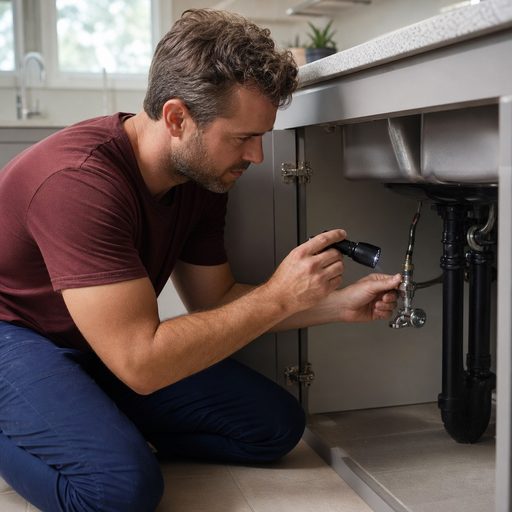
- Look under sinks and around the base of fixtures for moisture
- Avoid forcing a stuck valve or handle
Plumbing Repair by city in North Dakota
Related plumbing problems
Plumbing Repair in North Dakota: FAQs
How do I prepare for plumbing repair in North Dakota?
Document whether the problem remains at one fixture or follows a shared supply or drain path and prepare the access needed to expose, isolate, repair, and retest the failed component. Ask the professional to confirm the inspected scope, credential, permit responsibility, and exclusions in writing.
Does North Dakota guidance diagnose my plumbing repair problem?
No. State information helps with credential, permit, and planning questions. The cause, responsibility, and repair or project scope still need to be confirmed for the specific property.
How do I know if I need a repair or a full replacement?
It depends on the age and condition of the fixture or pipe and how often it has failed. A one-time issue on a newer component is usually a simple repair, while repeated failures on aging plumbing may point to replacement. A plumbing professional can assess and advise.
Can a small leak really cause damage?
Yes. Even a slow drip can damage cabinets, flooring, and drywall over time and encourage mold. Catching and repairing leaks early usually keeps the fix simple and inexpensive.
Should I shut off the water before the plumber arrives?
If something is actively leaking and the shutoff is safe and accessible, turning off the fixture valve or the main water valve can prevent damage. Avoid using the affected fixture until it is inspected.
Why did my water pressure drop?
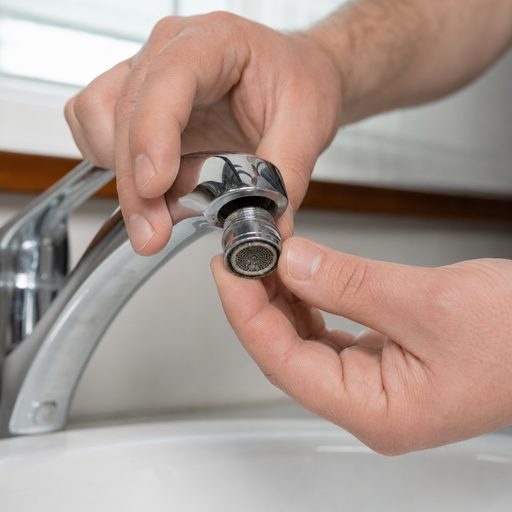
Low pressure can come from a clogged aerator, a partially closed valve, corrosion, or a leak. If it affects the whole home, the cause is usually broader and worth having checked by a professional.
Sources
These public and primary references support the state, safety, credential, permit, equipment, or efficiency guidance used here. They do not diagnose a specific property.
Plumbing Repair guides
Learn before planning plumbing repair in North Dakota.
Read related problem, scope, cost, and planning guidance before comparing options.
Should You Let Faucets Drip in Freezing Weather?
How to Find a Reliable Plumber
Common Sink Drain Problems and What Causes Them
Safe Checks to Do Before Calling a Plumber
Low Water Pressure at One Faucet: What to Check
Texas Plumbing Permits: What Homeowners Should Know
Why Your Water Bill Suddenly Increased
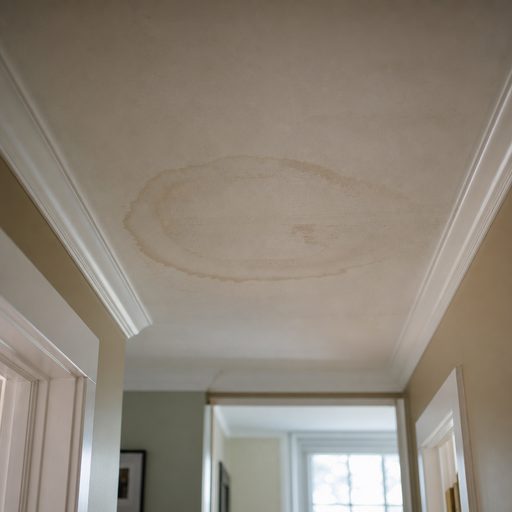
Signs You Should Call a Plumber Now
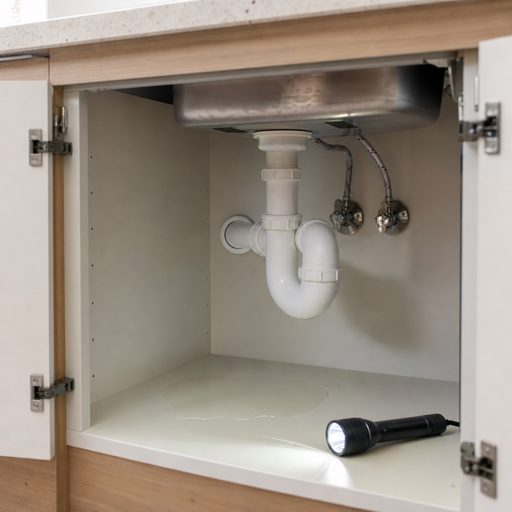
Why Is My Sink Leaking Under the Cabinet?
Need Plumbing Help Now?
Call Plumbing Advisors to connect with help for leaks, drains, water heaters, sewer lines, burst pipes, toilets, faucets, and more.
No-obligation request · Availability varies by location and provider