 Plumbing Advisors Editorial TeamEditorial StandardsUpdated May 26, 2026Source-Checked
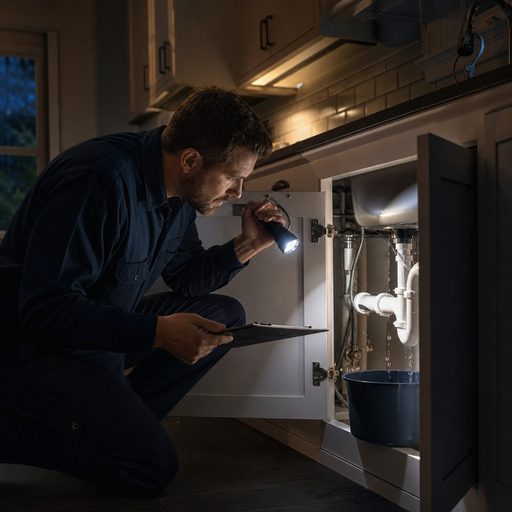
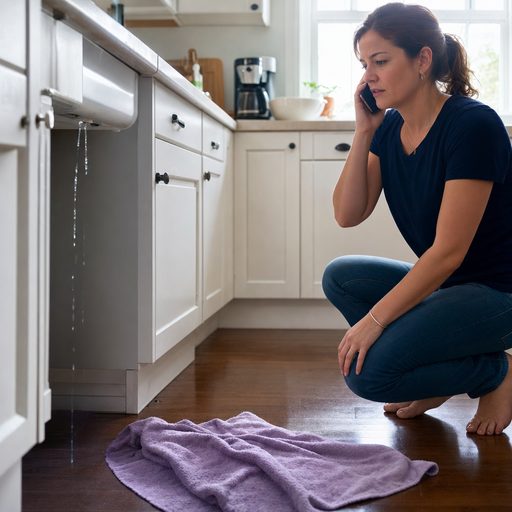
Choosing a plumber is stressful enough without water spreading across your floor while you do it. In an emergency you do not have the luxury of collecting estimates over several days, but that does not mean you have to settle for whoever answers first. A handful of quick checks and questions can help you find a qualified professional fast while still protecting yourself from the worst pitfalls. The trick is knowing which things genuinely matter in the moment and which can be sorted out afterward, so you can make a sound decision under pressure without wasting time you do not have.
Stop the Damage Before You Start Calling
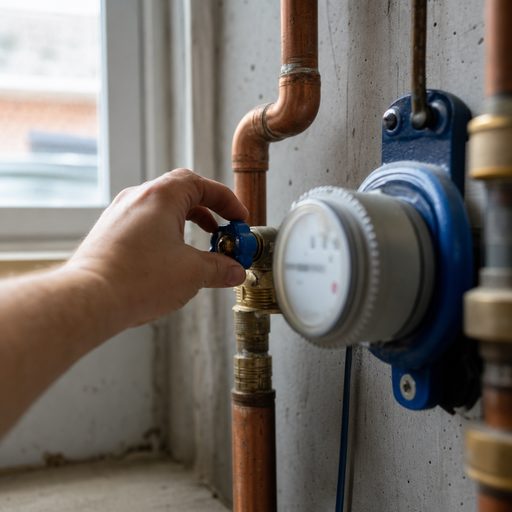
The single best thing you can do before choosing anyone is to shut off the water. Turning off the affected fixture, or the main valve if needed, stops the damage from growing and takes the panic out of the decision. With the water off, you are choosing a plumber calmly rather than grabbing the first name in a frenzy, and you have a few minutes to ask the right questions. This one step changes the whole dynamic of the situation in your favor and often turns a frantic emergency into a manageable problem.
Questions to Ask in the First Call
A short, focused conversation tells you most of what you need to know. You are confirming that the plumber is qualified, available, and upfront about cost before anyone is dispatched. Ask the questions below, and pay as much attention to how clearly they answer as to the answers themselves.
- Are you licensed and insured for this work? A professional will answer this plainly and without hesitation.
- Is there a call-out or trip fee, and do after-hours rates apply right now?
- Roughly how soon can someone realistically arrive?
- Will you provide an estimate before starting the repair, separating parts from labor?
- Have you handled this specific kind of emergency before, such as a burst pipe or a sewage backup?
Watch for high-pressure red flags
Be wary of anyone who refuses to discuss fees, demands a large cash payment up front, pressures you to approve major work immediately without an estimate, or will not confirm they are licensed and insured. Urgency is normal in an emergency; pressure tactics and vague answers are not. It is always reasonable to call someone else.
What Matters Now and What Can Wait
In the moment, focus on the essentials: that the pro is licensed and insured, that they are clear about fees, and that they can actually get to you in a reasonable time. Comparing several detailed quotes, reading through long histories of reviews, or weighing minor price differences is rarely worth it while water is spreading. You can always do that deeper homework later for non-urgent work. Right now the right plumber is a qualified one who is honest about cost and can stop the damage soon, and trusting clear, straightforward communication over a slick sales pitch will serve you well.
When to Call a Professional
Any time water is actively spreading or a leak is hidden inside a wall, ceiling, or floor, it is worth calling for help quickly rather than trying to ride it out. Emergency plumber service can stop the source and make the repair safely, and for a failed pipe, burst pipe repair restores the line and verifies the surrounding system is sound. To know what to expect on the bill before you commit, see our guide on emergency plumber costs, and while you wait for your chosen pro to arrive, our guide on the first five minutes of a plumbing emergency walks through the safe steps that keep the damage small.
Sources and further reading
These references support material safety, technical, consumer, or planning guidance in this article. Confirm property-specific requirements with the applicable authority and professional.
- U.S. EPA WaterSense - Home maintenance
- U.S. EPA WaterSense - Fix a Leak Week
- U.S. EPA - Sanitary sewer overflows
- U.S. EPA - Private sewer laterals
- U.S. EPA - Frequent questions on septic systems
- American Red Cross - Preventing and thawing frozen pipes
- National Association of Insurance Commissioners - Homeowners insurance