
Emergency Plumbing
Emergency Plumbing in Pennsylvania
Emergency Plumbing across Pennsylvania begins with the same useful question: Protect people and property first, then identify the correct urgent plumbing response. State context can guide credential and permit checks, but it cannot diagnose a specific property.
Plumbing Advisors provides guidance and connection assistance. Independent providers perform the plumbing work and confirm availability, pricing, timing, and credentials.
On this pageOverview
 Plumbing Advisors Editorial TeamEditorial StandardsSource-Checked
Emergency Plumbing across Pennsylvania
Emergency Plumbing across Pennsylvania begins with the same useful question: Protect people and property first, then identify the correct urgent plumbing response. State context can guide credential and permit checks, but it cannot diagnose a specific property.
Do not enter sewage or standing water near electrical equipment, and do not investigate a suspected gas leak.
When emergency plumbing may fit
- A pipe has burst or water is spraying
- A toilet or drain is overflowing or backing up
- Water is spreading and you cannot stop it
- You have no water or a sudden major leak
Causes or scope drivers to inspect
- Frozen or corroded pipes that crack or burst
- Severe drain or sewer line blockages
- Failed valves, supply lines, or water heater tanks
- Sudden fitting or joint failures
- Backups from the main sewer line
Comparing a emergency plumbing quote
For emergency plumbing in Pennsylvania, compare itemized quotes for the same inspected scope. Access, testing, equipment or parts, permits, restoration, and urgency can affect the final price.
Typical emergency plumbing costs
| Service | Typical cost range |
|---|---|
| After-hours service call / dispatch fee | $100–$330 per visit |
Cost ranges are estimates developed from standardized project scopes and reviewed pricing inputs. Government labor and regional cost data are used where applicable. See our Pricing Methodology for the exact sources, calculations, and review date. Actual prices vary by property, scope, materials or equipment, location, and provider.
What affects the cost
- The time of the call, since nights, weekends, and holidays carry premiums
- How severe the problem is and how much water has spread
- Whether the provider charges a minimum of one to two hours of labor
- How accessible the source is, such as inside a wall or under a slab
- Whether the fix is a temporary stabilization or a permanent repair
- Quality and availability of the parts or fixtures needed
- Local labor rates and any permits the repair requires
State guidance for Pennsylvania
For emergency plumbing in Pennsylvania, prepare safe entry, utility isolation, affected rooms, and access for urgent inspection. Confirm the inspected scope, credentials, permits, inspections, exclusions, and restoration responsibility before authorizing work.
Credential verification
There is no single state plumbing license in Pennsylvania. Plumbers are licensed or registered at the local level, so requirements vary by city, county, and borough — always confirm the rule for the specific municipality where the work will happen.
In Philadelphia, the Department of Licenses and Inspections (L&I) requires plumbing work to be done by a licensed Master Plumber. In the Pittsburgh area, the Allegheny County Health Department registers Master, Journeyman, and Apprentice plumbers, and generally only a Registered Master Plumber (or an owner-occupant of a single-family home) may pull a plumbing permit.
Permits and inspections
Permit and inspection requirements are set locally. Pennsylvania's statewide building standard is the Uniform Construction Code (UCC), administered by the Department of Labor & Industry, and over 90% of the state's municipalities enforce it locally through their own or third-party code officials. Plumbing typically needs a permit and at least rough-in and final inspections, and a homeowner permit option (where offered) does not waive the inspection — always check your local building department first.
What to expect
- 1Stop water at the fixture or main if it is safe and accessible
- 2Keep people and pets away from spreading or contaminated water
- 3Call to connect with urgent plumbing help
- 4Describe the situation so the right help can be matched
- 5Have the source located and contained
- 6Repair or replace the failed component and confirm it is resolved
Safe checks before the visit
- Shut off the main water valve if it is safe and accessible
- For a water heater leak, stop water to the unit if you can reach it safely
- Move belongings away from spreading water
- Stop using fixtures that are backing up or overflowing
Emergency Plumbing by city in Pennsylvania
Related plumbing problems
Emergency Plumbing in Pennsylvania: FAQs
How do I prepare for emergency plumbing in Pennsylvania?
Document what is actively happening now and whether a safe, accessible shutoff can limit damage and prepare safe entry, utility isolation, affected rooms, and access for urgent inspection. Ask the professional to confirm the inspected scope, credential, permit responsibility, and exclusions in writing.
Does Pennsylvania guidance diagnose my emergency plumbing problem?
No. State information helps with credential, permit, and planning questions. The cause, responsibility, and repair or project scope still need to be confirmed for the specific property.
What counts as a plumbing emergency?
Active leaks you cannot stop, burst pipes, sewage backups, overflowing toilets, and a total loss of water are typically emergencies. They risk property damage or health, so they should be addressed right away.
What should I do first in a plumbing emergency?
If it is safe and accessible, shut off the water at the affected fixture or the main valve to stop the flow. Keep people away from spreading or contaminated water, then call to connect with urgent plumbing help.
What if I smell gas?
Treat a gas smell as a separate, serious emergency. Do not use switches or open flames. Leave the area and contact your gas utility's emergency line from a safe location. Gas line issues are not something to troubleshoot yourself.
Can you guarantee how fast someone arrives?
No. Plumbing Advisors connects you with plumbing professionals, but arrival times depend on the provider, your location, and demand. We cannot guarantee a specific arrival time or same-day service everywhere.
Sources
These public and primary references support the state, safety, credential, permit, equipment, or efficiency guidance used here. They do not diagnose a specific property.
- CDC - Guidelines for cleaning safely after a disaster
- CDC - Septic and onsite wastewater systems during floods
- Ready.gov - Flood safety
- CDC - Returning home after a natural disaster
- City of Philadelphia L&I — Master Plumber's License
- Allegheny County Health Department — Plumbing Program licensing
- PA Department of Labor & Industry — Uniform Construction Code
Emergency Plumbing guides
Learn before planning emergency plumbing in Pennsylvania.
Read related problem, scope, cost, and planning guidance before comparing options.
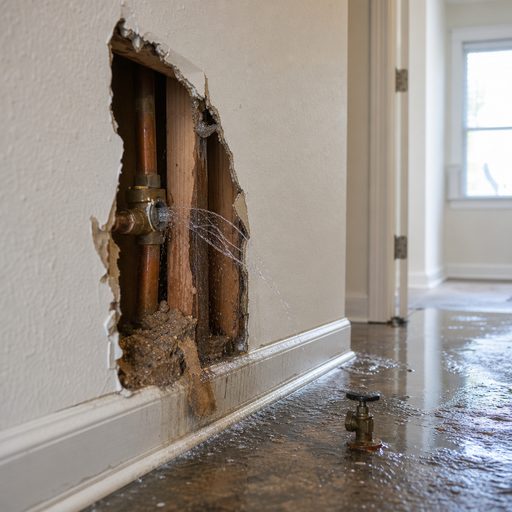
Does Insurance Cover Burst Pipe Water Damage?
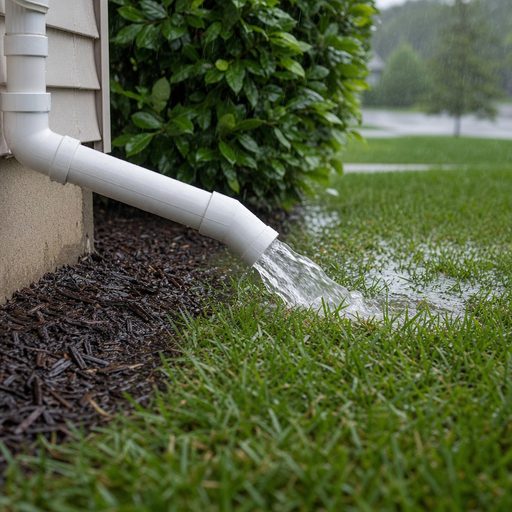
Getting Your Sump Pump Ready for Storm Season
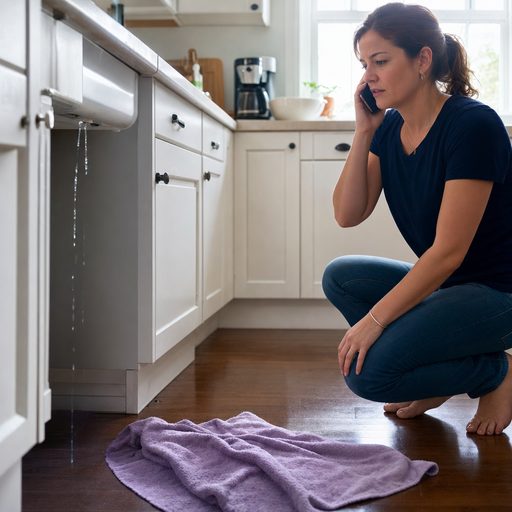
How to Choose an Emergency Plumber Fast
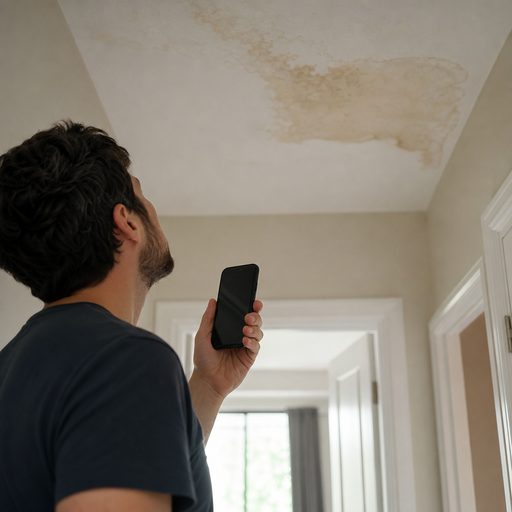
Is a Burst Pipe Always an Emergency?
Protecting Your Pipes During a Texas Freeze
Overnight and Holiday Plumbing: What to Expect
What to Do If You Smell Gas
Is a Leaking Water Heater an Emergency?
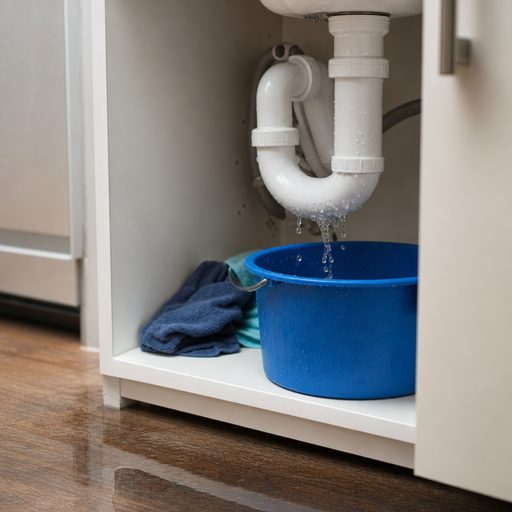
When Is a Plumbing Problem an Emergency?
Need Plumbing Help Now?
Call Plumbing Advisors to connect with help for leaks, drains, water heaters, sewer lines, burst pipes, toilets, faucets, and more.
No-obligation request · Availability varies by location and provider