 Plumbing Advisors Editorial TeamEditorial StandardsUpdated July 5, 2026Source-Checked
Homeowners insurance often covers water damage from a burst pipe when the break is sudden and accidental, but coverage commonly narrows or disappears if the loss is tied to neglect, long-term leakage, freezing in an unheated home, or failure to act quickly after the pipe bursts. Policy details and endorsements matter.
When does homeowners insurance usually cover burst pipes?
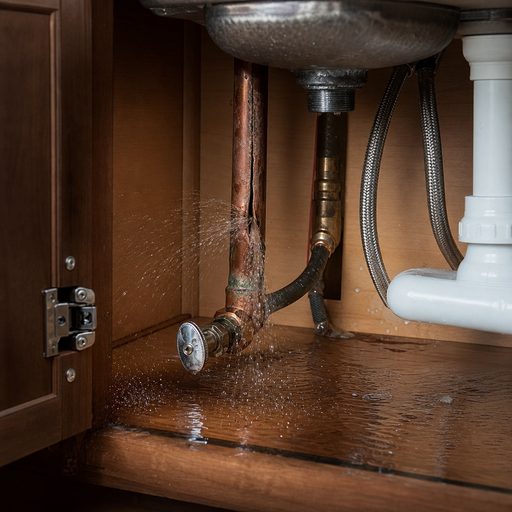
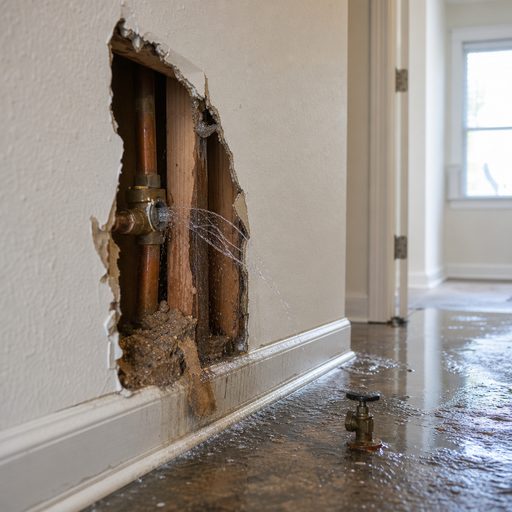
In many standard policies, a burst pipe is covered when it fails unexpectedly and releases water that damages walls, floors, ceilings, cabinets, or personal belongings. The key idea is usually sudden and accidental water damage, not a maintenance problem that developed over time. If a supply line inside a wall ruptures during a cold snap or a pipe splits without warning, the resulting interior water damage is often the part people submit to insurance.
That does not always mean every related expense is covered the same way. Insurers may separate the damage caused by escaping water from the plumbing repair itself, and they may look closely at why the pipe failed. If you are dealing with active leaking or flooding first, focus on stopping water flow and limiting damage. For immediate help, homeowners often look for Burst Pipe Repair and read What to Do When a Pipe Bursts before speaking with their carrier.
What situations are commonly excluded or disputed?
The biggest problems usually come from neglect. Insurance carriers often question claims involving known leaks that were left unrepaired, visible corrosion, repeated freezing issues, or water damage that clearly built up over time. A stain that has been spreading for weeks is treated very differently from a pipe that suddenly split overnight. If the home was vacant, lightly heated, or winterized poorly, the insurer may review whether policy conditions were followed.
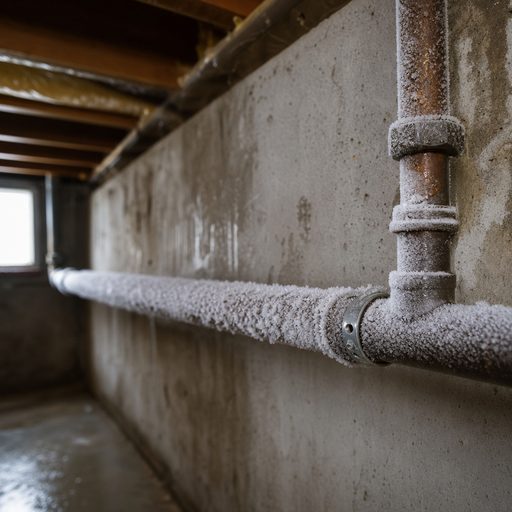
Frozen-pipe claims also get extra scrutiny. Many policies require homeowners to maintain heat in the home or shut off and drain the plumbing if the property will be unattended during freezing weather. If the house lost heat and no reasonable steps were taken, coverage may be limited. That is why it helps to understand Frozen Pipe vs. Burst Pipe: Knowing the Thaw Risk, especially if the damage began after temperatures dropped below freezing.
- Sudden pipe rupture with immediate interior water damage is often treated more favorably than a slow leak.
- Long-term seepage, corrosion, deferred maintenance, and repeated unresolved leaks are common reasons claims are challenged.
- Vacant or unheated homes may face special freeze-related conditions before damage is covered.
- Damage caused by failing to protect the property after the pipe bursts can reduce what insurance pays.
Does insurance pay to repair the pipe, the water damage, or both?
A common point of confusion is the difference between repairing the failed pipe and repairing the damage left behind. Homeowners insurance often focuses on the water damage to the structure and belongings, such as drywall removal, flooring replacement, insulation, and drying. The actual failed section of pipe may be handled differently depending on the policy language and the cause of loss. Wear, age, or corrosion can affect that part of the claim.
This is one reason homeowners should read the policy declaration page and exclusions carefully before assuming the entire event is covered. If you also want to understand the repair side, see How Much Does Burst Pipe Repair Cost? for the factors that change pricing, such as pipe location, material, access behind walls, and how much water must be removed before repairs can begin.
What should you do right away after a pipe bursts?
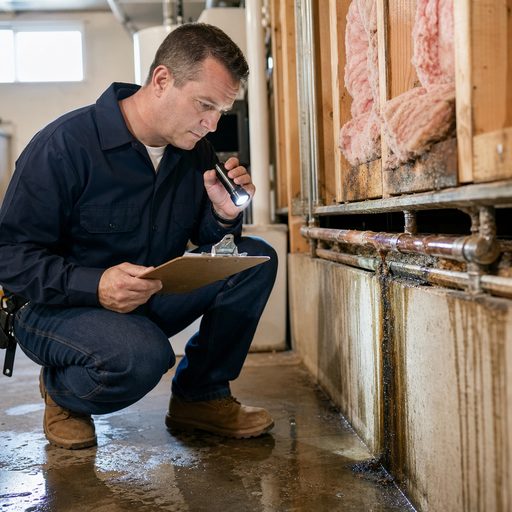
Acting quickly matters for both property damage and insurance. Shut off the home’s main water valve if you can do so safely, move belongings away from wet areas, and start documenting everything. Take clear photos and video of the burst area, standing water, soaked materials, and any damaged furniture or stored items. Save damaged pieces when practical until the insurer tells you what to do. Keep notes on when you discovered the damage and what steps you took to prevent it from getting worse.
Most policies place a duty on the homeowner to mitigate further damage. That means you generally need to take reasonable steps to protect the property once you know about the leak. Drying, removing wet rugs, and arranging prompt professional plumbing service can help show that you acted responsibly. If the situation is urgent, many homeowners ask for Emergency Plumbing while also contacting their insurance company to open the claim and get instructions on documentation.
Document first, then clean strategically
Before removing soaked drywall or discarding damaged items, photograph the scene thoroughly and make a simple room-by-room list. Good documentation can help if the insurer asks whether the damage was sudden, how far water spread, and what was affected.
How can you reduce the chance of a denied burst-pipe claim?
The best protection is showing that the home was reasonably maintained and that the pipe failure was not ignored. Keep indoor temperatures stable during winter, especially if the home will be empty. If you will be away for an extended period, follow your policy’s freeze precautions. Repair small leaks promptly, insulate vulnerable pipes where appropriate, and pay attention to previous signs of trouble such as recurring freezing, corrosion, or water stains around supply lines and shutoff points.
It also helps to keep records. Save receipts for prior plumbing repairs, note when pipes were replaced, and keep any communication about freeze prevention or water damage mitigation. If a claim is questioned, those records can support your timeline. Insurance decisions ultimately depend on the exact policy wording, endorsements, and cause of loss, but homeowners who maintain heat, address leaks early, and respond quickly after a burst generally put themselves in a stronger position.
Will insurance cover mold after a burst pipe?
It can, but mold claims often depend on how quickly the water damage was addressed and what the policy says about mold or fungal growth. If the mold developed because the burst pipe was reported promptly and drying began right away, coverage may be more likely than if wet materials sat for days without mitigation.
If a pipe bursts while I am on vacation, is that automatically excluded?
Not automatically. The insurer will usually look at whether the home was heated, how long it was unattended, and whether you followed any freeze-prevention requirements in the policy. A brief trip with normal heat maintained is very different from a long vacancy where the plumbing was not protected during freezing weather.
Does homeowners insurance cover personal belongings damaged by burst-pipe water?
Often yes, if the policy covers the loss and the items were damaged by the sudden escape of water. Clothing, furniture, electronics, and stored household goods may be part of the claim, subject to policy limits and documentation. Make a detailed inventory and photograph each damaged item before disposal if possible.
Can a claim be denied because the pipe was old?
Age alone does not always decide the outcome, but it can affect how the insurer views the cause of loss. If the evidence points to long-term deterioration, corrosion, or ignored warning signs rather than a sudden accidental break, the claim may be reduced or denied. Maintenance records can help show the problem was not neglected.
Sources and further reading
These references support material safety, technical, consumer, or planning guidance in this article. Confirm property-specific requirements with the applicable authority and professional.
- U.S. EPA WaterSense - Home maintenance
- U.S. EPA WaterSense - Fix a Leak Week
- MedlinePlus - Drain cleaner poisoning
- U.S. EPA - Household hazardous waste
- American Red Cross - Preventing and thawing frozen pipes
- National Association of Insurance Commissioners - Homeowners insurance
- National Association of Insurance Commissioners - Burst-pipe water damage