 Plumbing Advisors Editorial TeamEditorial StandardsUpdated June 2, 2026Source-Checked
When something goes wrong with your plumbing, it can be hard to know whether to call for help in the middle of the night or simply schedule a visit in a day or two. Reacting to every drip as a crisis is stressful and unnecessary, but waiting too long on a genuine emergency can turn a manageable problem into serious, expensive damage. The key is learning to triage, which means quickly judging how urgent a problem really is and acting accordingly. With a few clear guidelines, you can tell the difference between a true emergency and an issue that can safely wait for normal hours.
True Emergencies That Need Help Now
Some situations threaten your safety, your health, or the structure of your home, and these call for immediate action no matter the hour. If you encounter any of the problems below, treat it as urgent: stop the water if you safely can and arrange for emergency service. These are the cases where every minute of delay tends to make the damage worse or the risk greater.
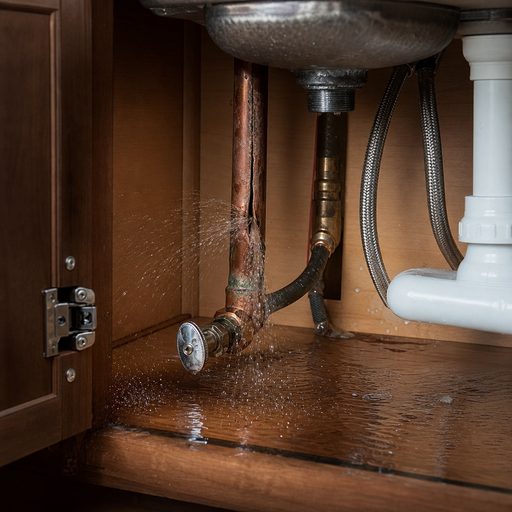
- A burst pipe or any leak you cannot stop, which can flood a home in minutes.
- A complete loss of water throughout the house with no obvious cause.
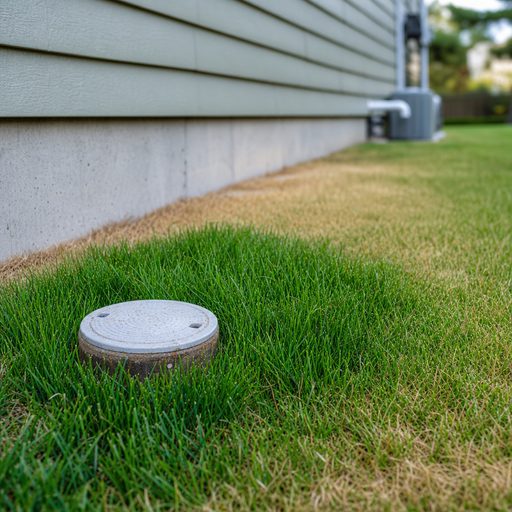
- A sewage backup coming up through drains or toilets, which is both a health hazard and a mess.
- The smell of gas, which is a life-safety emergency, not just a plumbing one.
- A major leak near electrical outlets, appliances, or your electrical panel.
- No hot water during freezing weather, which can put both your comfort and your pipes at risk.
A gas smell is never just a plumbing issue
If you smell rotten eggs or sulfur, do not treat it as a routine repair. Leave the home immediately, avoid switches, phones, and flames inside, and call your gas utility's emergency line from a safe distance. Never try to locate or fix a gas leak yourself; this is always a job for trained professionals.
Problems That Can Usually Wait
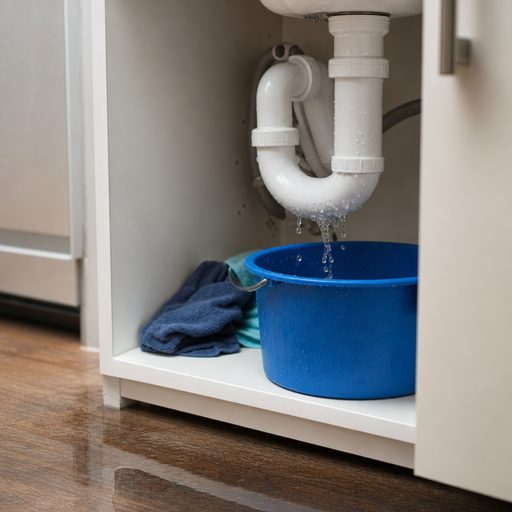
Many common annoyances are worth fixing soon but do not require an after-hours call. A dripping faucet, a single slow drain, a running toilet, or a small leak you have contained with a bucket can typically wait until normal business hours without causing real harm. The same is true for low water pressure at one fixture or a water heater that is a little slower to recover than usual. Scheduling these during regular hours is easier on your wallet and still resolves the problem before it has a chance to grow into something larger.
How to Triage and Stop the Water Meanwhile
When a problem appears, a quick mental checklist helps you decide how to respond. Ask whether water is actively flowing and uncontained, whether anyone's safety or health is at risk, and whether the damage is spreading. If the answer to any of those is yes, treat it as an emergency. While you wait for help, the most useful thing you can do is stop the water, either at the fixture's local shutoff valve or at your home's main shutoff. From there, move belongings out of harm's way, soak up standing water, and take photos for your insurance records before cleaning up.
When to Call a Professional
If you have decided a problem is urgent, an emergency plumber can respond to active flooding, a stoppage of water, or a backup that you cannot control. A broken or failed line calls for burst pipe repair, while sewage backing up into the home often points to a blockage or break that needs sewer line repair to resolve properly. For situations that can wait, scheduling service during normal hours works well, but never delay on anything involving safety, health, or spreading water damage. To act quickly in the moment, our guide on what to do when a pipe bursts lays out the steps in order, and our guide on the signs of a sewer line problem can help you recognize a backup before it becomes a full emergency.
Sources and further reading
These references support material safety, technical, consumer, or planning guidance in this article. Confirm property-specific requirements with the applicable authority and professional.