 Plumbing Advisors Editorial TeamEditorial StandardsSource review July 29, 2026Source-Checked
Control the immediate hazard before choosing the repair
Water, wastewater, or loss of service?
For a Miami-area plumbing emergency, first distinguish a public pipe, hydrant, manhole, meter, pressure, or service issue from a fixture or private pipe problem. Keep away from wastewater and wet electrical equipment, and use property-specific evidence for any permanent repair.
This response framework helps route the first call; it does not diagnose a failed pipe or public system. Do not enter wastewater or standing water to reach a valve, appliance, outlet, or electrical panel.
What the emergency pattern changes
The source, affected fixtures, water type, and nearby electrical conditions determine the safe first response. The permanent repair should follow only after the event is stabilized and assessed.
| What you notice | What it may indicate | What to do next |
|---|---|---|
| A public water or sewer pipe, hydrant, manhole, or meter is leaking or overflowing | A Miami-Dade Water and Sewer emergency may be involved | Keep away from the area and report the utility condition through the Department's emergency contact. |
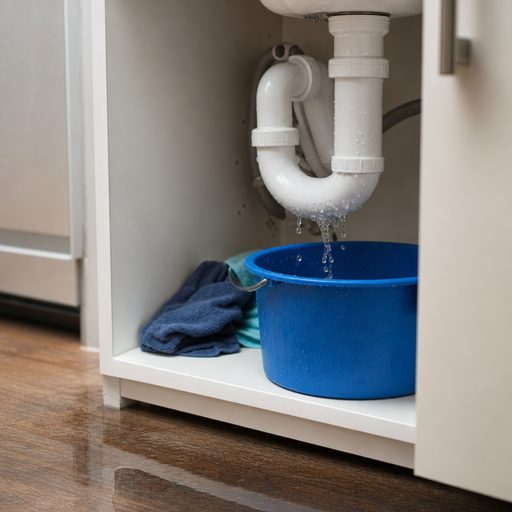
| One private fixture or visible pipe is actively leaking | A private fixture, valve, supply line, or pipe may have failed | Use only a safely accessible shutoff and request urgent private plumbing help if flow continues. |
| Several fixtures back up or wastewater enters the home | A private sewer restriction or broader wastewater condition may be involved | Stop household water use, avoid contact, and report public overflow signs when present. |
| Floodwater is affecting wastewater service after a storm | The sanitary sewer system may be receiving floodwater | Limit household water use and report flooding through 311 as local guidance directs. |
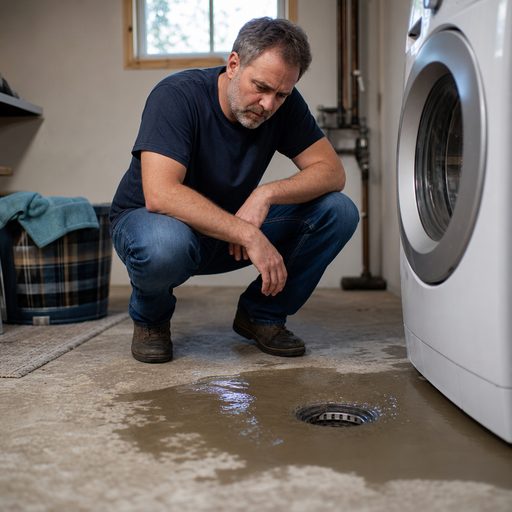
| Water reaches outlets, appliances, or electrical equipment | An electrical hazard may be present | Do not enter the water or operate switches; leave the area and use the appropriate emergency contact. |
Separate Miami-Dade utility emergencies from private plumbing
Miami-Dade Water and Sewer accepts emergency reports for specified public water and sewer assets, low pressure or loss of service, sewer-line backups, and overflowing manholes. A private fixture or pipe still needs separate plumbing assessment.
A public pipe, hydrant, manhole, or meter is involved
Report the condition through the Miami-Dade Water and Sewer emergency contact and stay clear of the area.
Low pressure or loss of service affects the property
Check for a utility condition before authorizing private repair.
A private fixture or pipe is leaking
Use a known safe shutoff when accessible and request private plumbing service.
Wastewater or standing water reaches electrical equipment
Do not enter the area; address the electrical safety boundary before plumbing access.
Utility reporting and private service can both be appropriate in one event. Neither the Miami location nor weather timing proves which private component failed.
Sources: Miami-Dade County - Water and Sewer Emergencies, Hurricane Season Readiness, CDC - Protect Yourself From Electrical Hazards
Get help with a emergency plumbing problem in Miami
Describe whether clean water or wastewater is involved, whether flow is active, which fixtures are affected, and whether the area is electrically safe to approach.
No-obligation request · Availability varies by location and provider
What professional emergency plumbing service does
When water is spreading and you need help right now, every minute matters. Plumbing Advisors helps you take the right first steps and connect quickly with plumbing professionals for urgent problems.
Emergency plumbing service first identifies the immediate source and limits continuing water or wastewater damage when that can be done safely. Stabilization, cleanup, diagnosis, and permanent repair are different scopes.
A backup can involve one fixture, a private building drain or lateral, or a public wastewater condition. A spreading clean-water leak can involve a fixture, valve, supply line, or concealed pipe. The observation routes the response but does not prove the failed component.
Why urgent plumbing symptoms need different responses
An active clean-water leak
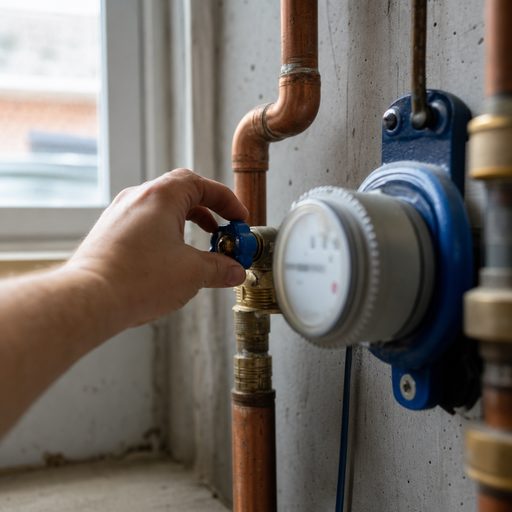
Flow, drips, puddles, damp materials, or a meter that moves while fixtures are off can document unintended water use. Those observations help locate the response without proving which component failed.
Sources: EPA WaterSense - Home Maintenance
A wastewater backup
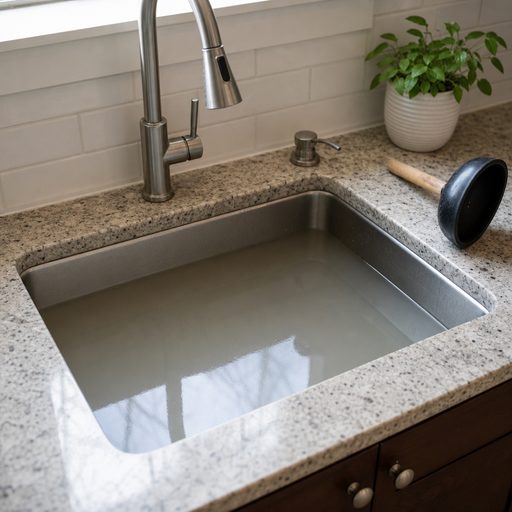
Sanitary sewer overflows can back up into buildings and create property and public-health risks. Stop adding water and keep people and pets away from the contaminated area.
Sources: EPA - Sanitary Sewer Overflows
Water near electrical equipment
Standing water can make switches, appliances, tools, outlets, and electrical panels unsafe to approach. Do not enter water to reach a shutoff or operate electrical equipment while standing in it.
What you can safely establish first
- Identify whether the water appears clean, wastewater is present, or the source is unknown.
- Stop using fixtures that cause another drain or toilet to rise.
- Close a fixture or main water valve only when it is known, reachable, and safe to operate without entering water.
- Keep people and pets away from wastewater and visibly contaminated materials.
- Do not touch electrical equipment, appliances, outlets, or panels in or near standing water.
Do not cross wastewater or electrical safety boundaries
Avoid direct contact with sewage and do not enter standing water to reach a power switch or plumbing shutoff. When electrical equipment is wet or access is unsafe, leave the area and let the appropriate emergency, utility, electrical, and plumbing professionals control the hazards in sequence.
Sources: EPA - Sanitary Sewer Overflows, CDC - Protect Yourself From Electrical Hazards
When the immediate hazard takes priority
Keep away from raw wastewater, overflowing public assets, and wet electrical equipment. Stop private household water use from a safe dry location when it contributes to the event, and report the correct utility or emergency boundary.
- A manhole, public pipe, hydrant, or meter is overflowing or leaking.
- Wastewater is entering the home or spreading through several fixtures.
- Water touches outlets, appliances, wiring, or an electrical panel.
- The only path to a private shutoff crosses standing or contaminated water.
Sources: EPA - Sanitary Sewer Overflows, CDC - Protect Yourself From Electrical Hazards, Miami-Dade County - Water and Sewer Emergencies
How stabilization, clearing, inspection, and repair differ
The first service should control the active event and answer the next unresolved question. An emergency call does not make every permanent repair appropriate before the source and responsibility are understood.
| Method | Where it may fit | Important limitation |
|---|---|---|
| Immediate stabilization | Stopping safely accessible clean-water flow or preventing additional fixture use | It limits damage but does not establish the failed component or final repair. |
| Drain or sewer clearing | Restoring an obstructed line after wastewater exposure is controlled | Restored flow does not prove the private pipe is structurally sound. |
| Inspection and locating | Identifying the source, affected line, or visible condition after stabilization | Findings still need location, interpretation, and responsibility context. |
| Permanent repair | Correcting a documented failure with a defined access and testing plan | Emergency timing should not replace a written scope, alternatives, and authorization. |
Sources: EPA WaterSense - Home Maintenance, EPA - Sanitary Sewer Overflows
What changes the emergency response in Miami
Miami-Dade lists specific water and sewer emergencies
The utility directs reports for broken or leaking public water or sewer pipes, hydrants, manholes, or meters, as well as low pressure, loss of service, sewer-line backups, and overflowing manholes. Describe the asset and location without approaching it.
Storm wastewater guidance changes household water use
Miami-Dade guidance says floodwater can inundate sanitary sewers and advises limiting household water use after storms. That response can reduce added demand but does not diagnose the private line.
Sources: Hurricane Season Readiness
Permit jurisdiction follows the property's location and scope
Miami-Dade explains that permit applications may be handled by the County or a municipality with its own Building Official. Confirm the actual jurisdiction only after the permanent repair is defined.
Comparing a emergency plumbing estimate
A Miami emergency estimate should separate utility reporting and immediate stabilization from diagnosis, cleanup, private repair, permit jurisdiction, restoration, and testing. Do not pay for private work on an undefined public-side condition.
Scope factors
- After-hours dispatch and immediate containment
- Public-asset versus private-plumbing responsibility
- Wastewater, floodwater, and electrical access limitations
- Leak locating, drain clearing, or inspection needed after stabilization
- Permanent repair, permit, testing, cleanup, and restoration scope
Questions for the estimate
- Is the affected asset public or private?
- What does the emergency service charge include?
- What finding supports the permanent repair?
- Which jurisdiction, testing, cleanup, and restoration tasks are included?
What to tell Plumbing Advisors
A useful emergency request starts with the active hazard and only the observations you can make without entering water or opening unsafe plumbing access.
- Identify whether the affected asset appears public or private.
- State whether clean water, wastewater, floodwater, or an unknown source is involved.
- List affected fixtures and whether the entire property has low pressure or no service.
- Record the Miami-Dade utility or 311 report when applicable.
- Describe any electrical hazard before anyone approaches the water.
Plumbing Advisors does not dispatch its own local technicians. The independent professional is responsible for confirming availability, credentials, diagnosis, price, warranty terms, and work performance.
Emergency Plumbing in Miami: frequently asked questions
What water or sewer problems should be reported to Miami-Dade?
The utility lists broken or leaking public pipes, hydrants, manholes, or meters; low pressure or loss of service; sewer-line backups; and overflowing manholes among conditions for its emergency contact.
Should I reduce water use after Miami flooding?
Miami-Dade guidance says floodwater can enter the sanitary sewer system and advises limiting household water use after storms. Follow current local instructions for the event.
Can I use the water meter to prove where a leak is?
Meter movement while household fixtures are off can support the presence of unintended water use, but it does not identify the failed component or whether the utility or private side is responsible.
Who handles a permit for a permanent Miami-area repair?
Permit jurisdiction may be Miami-Dade County or a municipality with its own Building Official. Confirm the property jurisdiction and defined repair scope before work begins.
Sources and editorial methodology
Sources are included when they substantively support a local, safety, technical, or consumer decision on this page.
- Miami-Dade emergency categories are used to route public utility reports without diagnosing private plumbing.
- Storm wastewater guidance changes safe water-use and reporting decisions, not the assumed pipe condition.
- Permit jurisdiction is discussed only after a permanent private repair has been defined.
U.S. Environmental Protection Agency
EPA WaterSense - Home MaintenanceU.S. Environmental Protection Agency
EPA - Sanitary Sewer OverflowsCenters for Disease Control and Prevention
CDC - Protect Yourself From Electrical HazardsMiami-Dade County
Miami-Dade County - Water and Sewer EmergenciesMiami-Dade County
Miami-Dade County - Leak Detection TipsMiami-Dade County
Miami-Dade County - How to Apply for PermitsMiami-Dade County Water and Sewer Department
Hurricane Season Readiness