 Plumbing Advisors Editorial TeamEditorial StandardsUpdated May 30, 2026Source-Checked
A sump pump earns its keep during storm season, when groundwater rises fast and the pump may run almost without rest for hours. That is also, unfortunately, when failures cluster, because the same storms that flood your pit are the ones most likely to knock out the power. The good news is that a little preparation before the heavy rain arrives goes a long way. Taking time to test and ready the pump while the basement is dry means you find the weak spots on your schedule rather than discovering them at two in the morning with water creeping across the floor.
Why Storms Are the Real Test
Sump pumps are stressed hardest precisely when the weather is at its worst. Heavy, sustained rain pushes groundwater up quickly and forces the pump to cycle far more often than it does the rest of the year, which exposes a tired motor, a marginal float, or an undersized unit. Storms are also prime time for power outages, and a pump with no power cannot move a single gallon. It is the overlap of those two pressures, more water and less power, that turns a pump which tested fine in calm weather into a flooded basement, and it is exactly what good preparation is meant to guard against.
Safe Checks to Do Before the Rain
Before a stretch of wet weather, run through the same safe checks you would for routine maintenance, with extra attention to power and discharge. The aim is to confirm the pump starts, clears the pit, and shuts off cleanly, and that the water it pumps actually leaves the area instead of circling back to the foundation. None of these steps require taking the pump apart, and each one removes a common reason pumps fail when they are needed most.
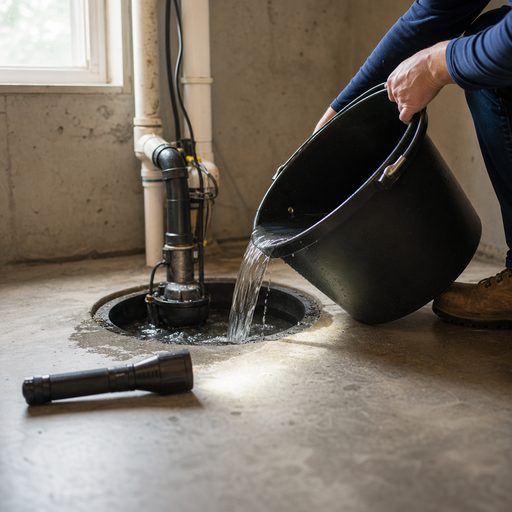
- Pour a bucket of water into the pit and confirm the pump switches on, drains the water, and shuts off on its own.
- Check that the float moves freely and is not stuck against the pit wall or tangled in the cord.
- Clear debris and sediment from the pit and confirm the intake screen is not blocked.
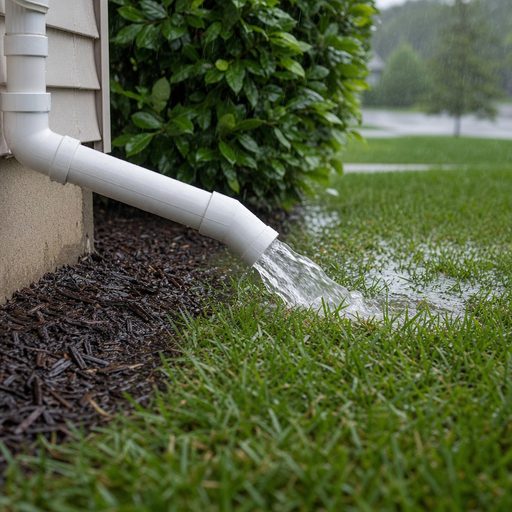
- Go outside and make sure the discharge line is clear, not frozen, and directs water well away from the foundation.
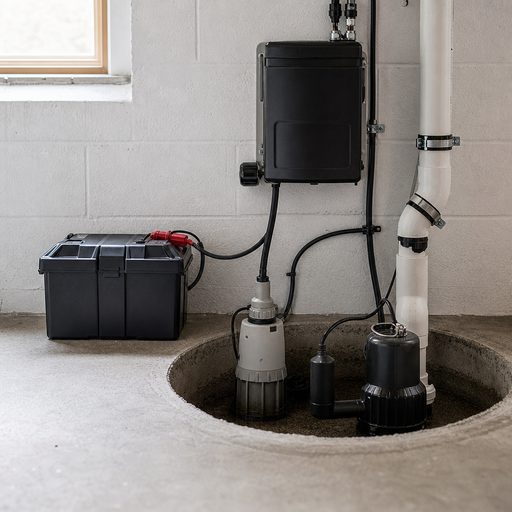
- Confirm the pump is plugged in and the outlet has power, and if you have a battery backup, that it is charged and ready.
If the basement floods, treat the water as live
When a storm has already flooded the basement, never wade in to reach the pump or an outlet, because standing water near electricity can be deadly. Stay out of the water and, only if you can do so without standing in it, cut power to the area at the breaker. If you cannot, keep clear and call a professional rather than risking it to save the basement.
Plan for the Power Going Out
Even a perfectly healthy pump is helpless without power, so storm readiness is not complete until you have thought about outages. A battery backup system is the most direct answer, keeping a second pump running automatically when the main one loses power or cannot keep up with the inflow. If you have one, confirm the battery is charged and within its service life well before the season starts, since a backup with a dead battery offers no protection at all. If you do not have one and your area sees frequent storms or outages, it is worth deciding now, while there is time to plan, rather than after a close call.
When to Call a Professional
If your pre-storm checks turn up a pump that fails the bucket test, runs rough, or trips a breaker, sump pump repair can fix or replace it before the weather arrives, and if a storm has already overwhelmed or knocked out your pump, emergency plumber service can help you respond safely. To build a year-round habit out of these checks, see our sump pump maintenance checklist, and to protect against the outages that come with the worst storms, our guide on adding a battery backup explains how to keep the pump running when the power does not.
Sources and further reading
These references support material safety, technical, consumer, or planning guidance in this article. Confirm property-specific requirements with the applicable authority and professional.