 Plumbing Advisors Editorial TeamEditorial StandardsUpdated June 10, 2026Source-Checked
Hard freezes are uncommon in most of Texas, and that is exactly what makes them so dangerous to your plumbing. Homes here are built for long, hot summers rather than deep cold, so pipes often run through uninsulated attics, garages, and exterior walls with little protection. The February 2021 winter storm made the risk plain when temperatures plunged statewide and pipes burst in homes that had never had a problem before. When a freeze is in the forecast, a few hours of preparation can be the difference between an inconvenient cold snap and a flooded home, so it is worth knowing what to do before the temperature drops.
Why Texas Pipes Are Especially Vulnerable
Because severe cold is rare here, Texas construction generally does not bury water lines as deep or insulate them as heavily as homes in colder states. Water heaters and pipes are frequently installed in attics and garages, exposed exterior hose bibs are common, and many homeowners have simply never needed to think about freeze protection. When an Arctic front does push through, those same features leave a lot of plumbing sitting in air well below freezing. Knowing where your vulnerable lines run lets you focus your effort where it matters most before the cold arrives.
- Pipes and water heaters located in unconditioned attics and garages.
- Water lines running along exterior walls with little or no insulation.
- Outdoor hose bibs, spigots, and irrigation backflow assemblies.
- Pipes near attic vents, soffits, or gaps where cold outside air leaks in.
- Plumbing in vacant rooms, second homes, or anywhere the heat is turned down.
Steps to Take Before a Hard Freeze
Most freeze preparation is simple and safe to do yourself, and the goal is always the same: keep pipes warm and keep a little water moving so ice cannot form a solid block. Texas freezes often last only a day or two, but they can be intense, so combining several of the measures below gives you the best protection while the cold holds.
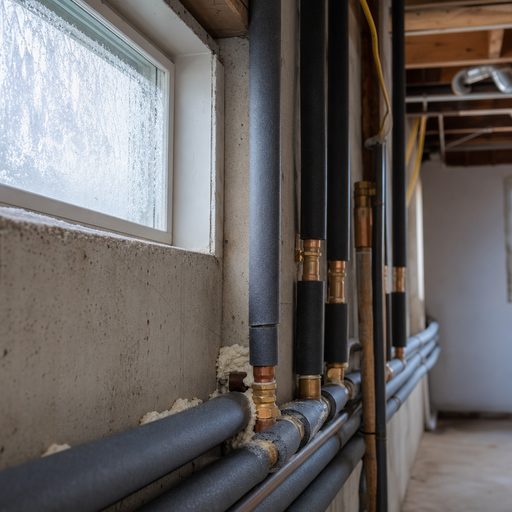
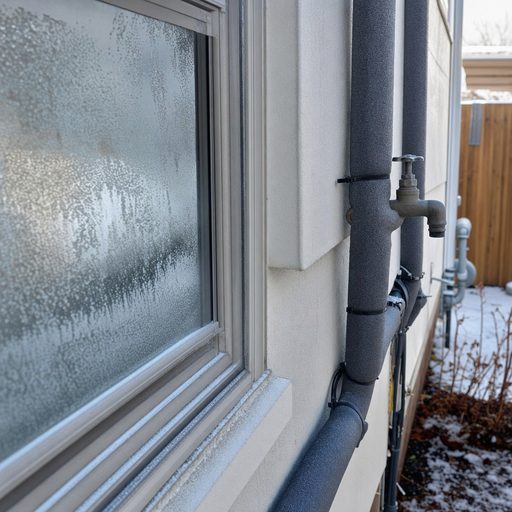
- Wrap exposed pipes with foam pipe insulation, paying special attention to attic and garage runs.
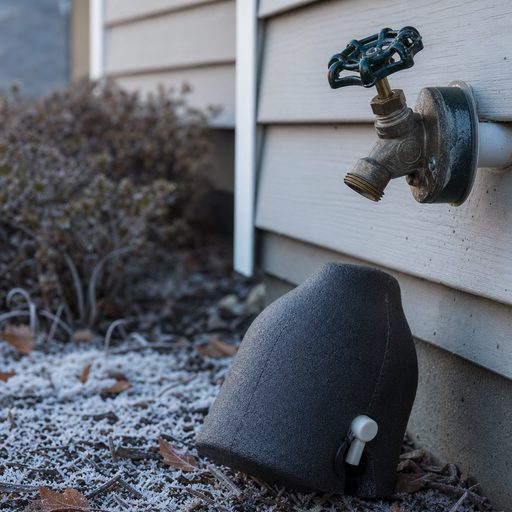
- Disconnect garden hoses and cover outdoor faucets with insulated spigot covers.
- Let a faucet at the far end of the house drip slightly to relieve pressure and keep water moving.
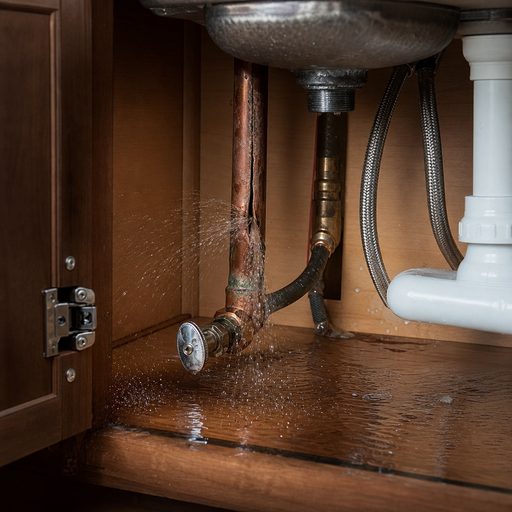
- Open cabinet doors under sinks so warm room air can reach the pipes behind them.
- Keep the thermostat at a steady, warmer setting day and night rather than turning it down.
- If you leave town, keep the heat on and know where your main shut-off valve is located.
Never thaw a frozen pipe with an open flame
If a pipe freezes, never use a torch, propane heater, or any open flame to thaw it. That is a serious fire hazard in an attic or wall and can damage the pipe. Open the nearby faucet and apply gentle warmth from a safe distance instead. If you cannot safely thaw the pipe, or you find that one has already cracked, shut off your water and call a professional.
When to Call a Professional
Even with good preparation, a severe freeze can crack a line, and the damage often appears only when the ice thaws and water begins to pour from the break. If you discover a frozen pipe you cannot safely thaw, or one that has already burst, this is the time to bring in help quickly. Emergency plumber service can stop an active leak fast, while pipe repair and burst pipe repair restore the damaged section properly so it does not fail again next winter. Our guide on how to prevent frozen pipes covers the basics that apply anywhere, our guide on what to do when a pipe bursts walks you through shutting off the water and limiting the damage, and our guide on how to winterize outdoor faucets and sprinklers helps you protect the exterior lines that freeze first in a Texas cold snap.
Sources and further reading
These references support material safety, technical, consumer, or planning guidance in this article. Confirm property-specific requirements with the applicable authority and professional.
- U.S. EPA WaterSense - Home maintenance
- U.S. EPA WaterSense - Fix a Leak Week
- American Red Cross - Preventing and thawing frozen pipes
- Federal Trade Commission - Avoiding home-improvement scams
- Texas State Board of Plumbing Examiners — licensing
- Houston Permitting Center — homeowner plumbing permit
- City of Austin — homeowner's permit