 Plumbing Advisors Editorial TeamEditorial StandardsUpdated July 5, 2026Source-Checked
Knowing whether you're facing a single-fixture clog or a main-line blockage is crucial before seeking help. A single-fixture clog affects only one drain and is a contained issue, while a main-line clog can impact multiple fixtures at once and poses a bigger risk to your home. Recognizing the difference helps you communicate with professionals and avoid unnecessary service calls or incorrect repairs.
What’s the Difference Between a Single-Fixture Clog and a Main-Line Clog?
A single-fixture clog is a blockage that affects only one drain, such as a bathroom sink, kitchen sink, or individual toilet. The problem is limited to the branch line servicing that specific fixture. Main-line clogs, in contrast, occur in the main drain—the large pipe that collects waste from all branch lines before leading it to the municipal sewer or septic system. When the main line is clogged, several drains (often starting with the lowest in your home) can back up at once. Familiar parts involved in these scenarios include the P-trap under sinks (which can catch debris), toilet traps, and main cleanout plugs. Pipe brands vary, but you’ll often see names like Charlotte Pipe (for PVC) or Fernco (for flexible couplings) used when repairs are needed.
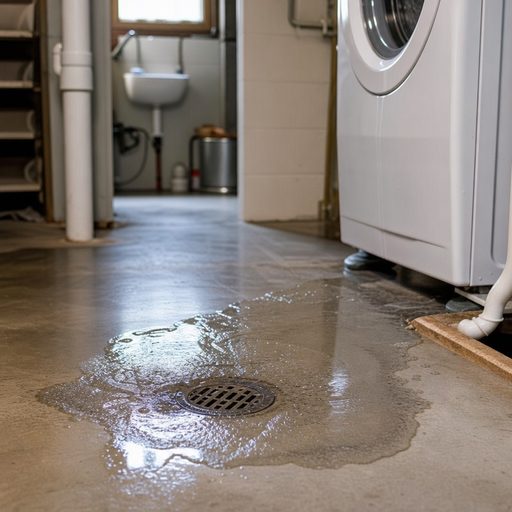
This distinction is not just academic—it determines the troubleshooting steps, urgency, and the scale of repairs required. For example, if only your shower is slow to drain but other fixtures work fine, chances are the clog is close by, perhaps in the P-trap or drain line. If flushing a toilet makes water bubble up in a shower or causes a floor drain to overflow, you're likely dealing with a main-line issue, which can risk widespread water damage or sewage backup.
Key Signs You Have a Single-Fixture Clog
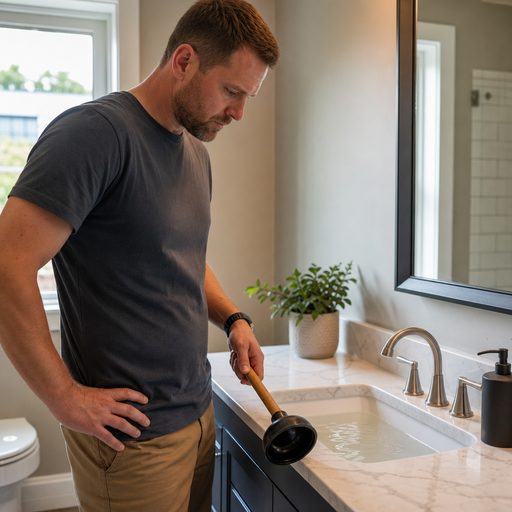
Most household clogs are isolated events caused by foreign objects, hair, soap scum, grease, or food waste accumulating near the affected fixture. The classic symptoms? Only one drain is slow or backed up, while everything else functions normally. The problem doesn’t spread, and using other water sources in the home won’t trigger a reaction elsewhere. In kitchens, food debris can clog the tailpiece or P-trap. Bathroom sinks may be blocked by hair and soap near the pop-up assembly or stopper. Often, removing the trap, cleaning the part, or snaking the line just past the fixture solves the issue.
- Only one fixture is draining slowly or not at all.
- Running water elsewhere does not affect the clogged fixture.
- Symptoms are localized—nearby tubs, showers, or toilets remain unaffected.
- Odors, if present, are only from the affected fixture.
- Plunging or removing accessible parts like the P-trap often resolves the issue.
Because single-fixture clogs are often shallow and accessible, many homeowners can attempt simple solutions. However, if the clog persists after basic troubleshooting or if removing hardware like the trap is beyond your comfort zone, it’s wise to contact a professional for drain cleaning. If the fixture in question is a toilet, the obstruction may be within the trapway or just beyond it, and specialized tools like a closet auger may be used.
Key Signs of a Main-Line Clog
Main-line clogs block the large pipe leading all household waste outside. These clogs are more serious because they can cause raw sewage to back up into multiple drains—often at the lowest point in your house first, such as a basement shower or floor drain. You'll notice effects across various fixtures: flushing the toilet may cause water to gurgle in the tub, or running your washing machine could make water rise in another drain. These symptoms frequently point to deeper problems like a full main line, roots in the sewer line, or a collapsed pipe. Common problem components include the main cleanout fitting, the sewer lateral, and, if you have one, a backwater valve designed to prevent sewer backups.
- Multiple drains are slow, backed up, or gurgling at the same time.
- Fixtures at the lowest elevation (like basement drains) are first to show issues.
- Flushing one toilet affects others, or triggers bubbling in tubs or showers.
- A persistent, musty sewage smell comes from more than a single fixture.
- Overflowing or rising water in unexpected drains when other fixtures are used.
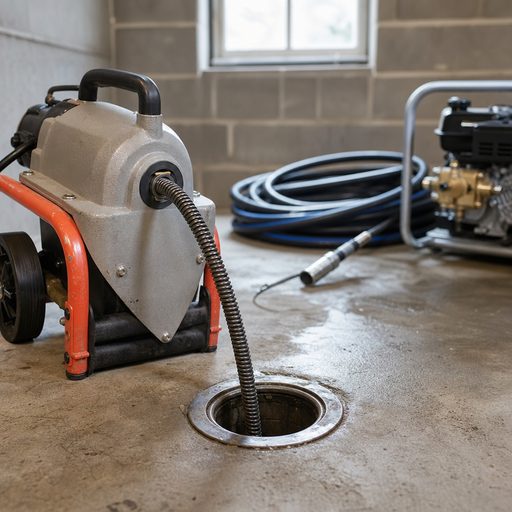
These signs warrant immediate attention. Continuing to run water when a mainline clog is present can quickly cause messy and potentially hazardous sewage backups in your home. It’s important to stop using plumbing fixtures and call a Drain Cleaning or Sewer Line Repair specialist for a proper diagnosis. Professionals may use sewer cameras and mechanical augers, like those made by Ridgid or Spartan, to inspect and clear the blockage.
Steps a Professional Uses to Diagnose the Problem
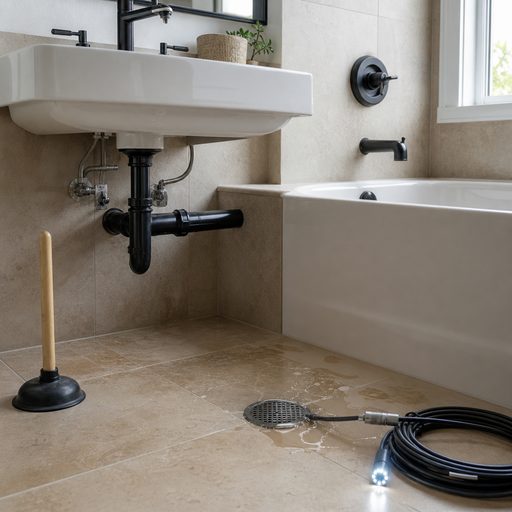
When diagnosing drain issues, plumbers employ a methodical approach to pinpoint whether the problem is isolated or deep in the main line. They’ll often start by asking you which fixtures are affected and what symptoms you’ve noticed, then may run water at strategic locations to observe how your system responds. For single-fixture clogs, they might remove and check the P-trap, run a drain snake or auger, or use a hand-crank snake. With main-line concerns, a professional will likely access the main cleanout and may use a motorized auger or hydro jetting equipment for tougher blockages. In challenging scenarios, they’ll deploy a sewer camera to visually inspect for roots, breaks, or foreign obstructions.
Some clogs are code-governed
Clearing a main sewer line often involves work governed by plumbing codes. Cleanout access is typically required and may be located inside or outside your home. Requirements vary widely, so always confirm with your local municipality before authorizing major sewer work.
The equipment used can vary by the type and location of the clog. Main sewer cleaning may require jetting machines capable of blasting away grease, scale, or roots. Some stubborn single-fixture blockages may call for power augers but rarely involve the main cleanout. For both, professionals rely on specific replacement parts: a worn out wax ring may be discovered if a toilet is leaking at the base, or a deteriorated cleanout plug gasket might be the cause of a persistent slow leak.
What Causes Each Type of Clog?
Single-fixture clogs generally happen close to the fixture: hair, soap scum, and toothpaste in bathroom sinks; grease and food scraps in kitchen sinks; foreign objects and excessive toilet paper for toilets. The P-trap or drain assembly is a frequent trouble spot. In homes with children, small objects can also become lodged in traps or drain bends. Brand-name pop-up assemblies, like those from Kohler and Moen, sometimes fail when their seals or pivots wear out, trapping buildup and restricting flow.
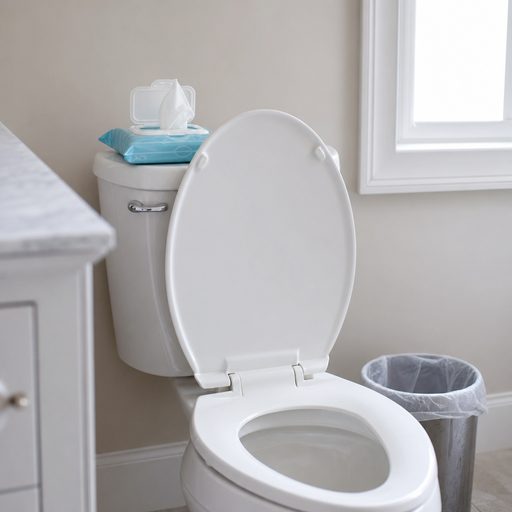
Main-line clogs develop due to different causes. Common offenders include tree root infiltration (especially in older clay or cast iron pipes), extensive grease buildup from multiple kitchen drains, or a collapse in aging pipes. Toys, wipes (even those marketed as flushable), and hygiene products are frequent culprits for serious blockages. Larger debris can catch at pipe joints or where a pipe sags (a condition called a belly), creating long-term issues. Major part components involved in these events can include cast iron lateral pipes, PVC waste lines, and rubber Fernco couplings.
How Your Home’s Plumbing Layout Affects Clog Location
The layout and age of your home's plumbing can affect both the likelihood and location of clogs. Older homes may feature cast iron or clay main lines, which are more prone to corrosion, misshapen joints, and tree root intrusion. Newer homes using PVC pipe (like those made by Charlotte Pipe or NIBCO) are generally more resistant, though improper slope or sharp bends can still lead to buildup. A properly installed system ensures each fixture has a dedicated branch drain leading to a larger main stack, which then connects to your main sewer.
Slab-on-grade homes sometimes hide main cleanouts in closets or outside in the yard, while basements may have easy-access floor drains and cleanout plugs. The lowest fixture in your house—often a basement shower or utility sink—is generally the first to back up with a main-line blockage, serving as an early warning indicator. Understanding your system’s configuration is helpful when relaying information to your plumber and determining whether the issue is isolated or system-wide.
- Basement floor drains and utility sinks are sensitive early indicators of main line clogs.
- Older pipes like cast iron and clay tile are more vulnerable to intrusion and collapse.
- Main cleanout locations vary: basements, crawlspaces, outside foundations, or even covered by landscaping.
When Should You Attempt DIY—and When Should You Skip It?
DIY efforts are sometimes reasonable for single-fixture clogs if you’re comfortable disassembling and cleaning a P-trap or using a hand auger. Always avoid chemical drain cleaners, as they can damage pipes and pose safety risks. If symptoms involve multiple fixtures or the main sewer line, DIY approaches are rarely effective and can make things worse. Main-line clogs almost always call for a Drain Cleaning or Sewer Line Repair professional, as specialized knowledge and equipment are required for safe and thorough remediation.
Safety first
Avoid disassembly or repair of any fixtures involving potential sewage exposure, gas lines (sometimes present in utility rooms), or major water connections. Leave these cases—especially anything involving the main sewer line—to licensed professionals.
Cost factors depend on where the clog is, access requirements, and what equipment is needed—a quick hand-snake at a single drain is simpler than clearing a blocked sewer main. When requesting service, describing the symptoms clearly is the fastest path to getting the right solution. For a breakdown of what might affect your total bill for clearing a drain or sewer main, see the related cost guide.
How to Prevent Future Clogs
Prevention is often straightforward: use sink strainers from brands like Danco to prevent hair and debris from entering bathroom drains, and avoid pouring fats or grease down kitchen drains. For toilets, remember that only waste and toilet paper should be flushed—wipes and hygiene products frequently cause major blockages. If you have older pipes or large trees near your sewer line, periodic professional camera inspections can catch root intrusions or problem buildups before they cause backups.
Water softeners or filter systems should be maintained regularly, as resin beads or accumulated filter media can also back up lines if not properly serviced. Annual or biannual drain maintenance—especially for homes with historic pipes—can identify potential trouble spots early. If you’re curious about how professionals approach clogs, our guide Drain Snaking vs. Hydro Jetting: How Each Works explains modern cleaning methods in detail.
- Use high-quality mesh strainers to catch large debris in sinks and tubs.
- Dispose of grease and oils in the trash—never down the drain.
- Flush only toilet paper in toilets; avoid all 'flushable' wipes.
- Schedule periodic camera inspections if you have older pipes or recurring problems.
Related Services and When to Use Them
If your efforts don’t fix the problem, contacting a pro for Drain Cleaning is your best next step. For persistent or repeat issues, or when several fixtures are affected, Sewer Line Repair may be needed to address root intrusion, aging pipes, or collapsed lines. For more advice, read Signs You Need Professional Drain Cleaning (vs. a DIY Plunge) to help you decide if outside help is the right call. For advice on solving or preventing future blocks, see our guides on Drain Snaking vs. Hydro Jetting: How Each Works and general clogged drain prevention tips.
How do I know if my main sewer line is clogged?
If multiple drains in your home are backing up, water rises or gurgles in lower fixtures when you use others, or there’s a persistent sewage odor from several drains, you likely have a main sewer line clog. Stop all water use immediately and reach out to a licensed plumber for diagnosis and repair.
Can I fix a main-line clog myself?
Trying to clear a main-line clog without the right tools and experience isn’t recommended. Home drain snakes are usually too short, and improper use can damage pipes or result in sewage exposure. Professional plumbers use specialized motorized augers, cameras, and hydro jetting—leave this job to them for safety and efficiency.
What tools are used for single-fixture clogs?
Common tools for single-fixture clogs include a plunger, hand-crank auger, P-trap wrench, and sometimes a small drain snake. If the blockage is beyond the trap or in the drain assembly, parts like pop-up stoppers or the trap arm may need disassembly and cleaning. Always reassemble carefully to avoid leaks.
What causes main-line blockages most often?
Main-line blockages are frequently caused by invasive tree roots, accumulated grease from kitchens, buildup of non-biodegradable materials (like wipes or hygiene products), and pipe collapses due to aging materials. Older homes with clay or cast iron lines are more susceptible to root intrusion and structural pipe failures.
How can I prevent branch and main-line clogs?
Prevent clogs by using mesh strainers, disposing of grease properly, flushing only toilet paper, and avoiding the use of chemical drain cleaners. Schedule professional camera inspections if you have ongoing issues or old pipes. Regular maintenance of water softeners and filter systems also helps keep lines clear and functioning.
Sources and further reading
These references support material safety, technical, consumer, or planning guidance in this article. Confirm property-specific requirements with the applicable authority and professional.