 Plumbing Advisors Editorial TeamEditorial StandardsUpdated July 5, 2026Source-Checked
If you ignore a slow drain, it usually gets worse, not better. A partial clog can turn into a full blockage, causing backups, foul odors, pipe strain, and even water damage around sinks, tubs, showers, or floor drains. A slow drain is often the easiest stage to address before cleanup becomes messier and more disruptive.
Why does a slow drain keep getting worse?
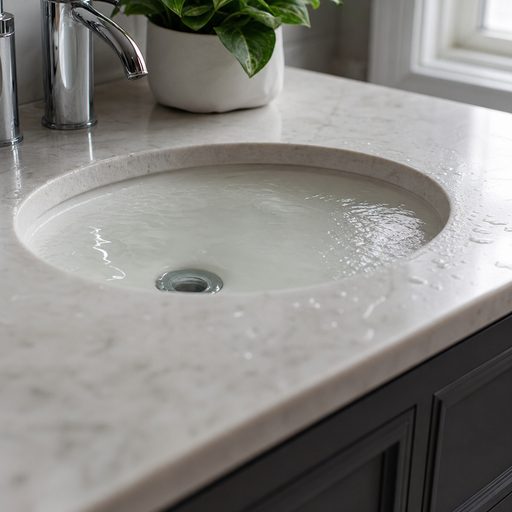
A slow drain means water is getting past a partial obstruction, but not freely. In bathroom sinks and tubs, that buildup is often soap residue, hair, and toothpaste sludge. In kitchen drains, grease, food particles, and residue along the pipe wall are common causes. As more material catches on the roughened buildup, the opening narrows and flow slows further.
That is why a drain that is only annoying this week can become unusable later. Each use adds more debris, and standing water leaves more residue behind. If the drain also gurgles or smells bad, that can mean trapped air and waste are struggling to move through the line. When homeowners wait too long, the problem often shifts from a simple Clogged Drain to a larger Drain Cleaning job.
What problems can a partial clog cause inside the home?
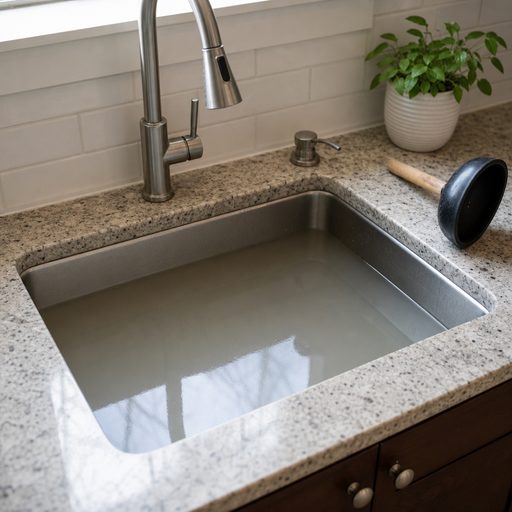
The first stage is inconvenience: water pools around your feet in the shower, a sink takes too long to empty, or a tub holds water after use. The next stage is backup. Instead of draining slowly, water may rise into the fixture, bring debris back up, or overflow if someone walks away and leaves the faucet running. Toilets clog differently than sink and tub drains, but nearby drainage issues can still signal a broader problem in the branch line or main drain.
Slow drains can also create persistent smells. Organic material trapped in the pipe starts to break down, and the odor can linger around the fixture opening. In kitchens, that smell may be strongest at the sink. In bathrooms, it may seem like mildew at first. If you are trying to judge urgency, the guide How to Tell If a Drain Clog Is Serious can help you recognize when a small warning sign is no longer minor.
- Water draining more slowly over days or weeks
- Gurgling sounds after water goes down
- Bad smells coming from the drain opening
- Water backing up into the sink, tub, or shower
- Overflow or leaks around the fixture area
Can ignoring a slow drain damage pipes or fixtures?
A clog does not usually crush a pipe by itself, but it can put the drainage system under more stress. Water sits longer in places it should pass through quickly, and repeated backups can expose slip-joint connections, seals, and nearby cabinet surfaces to moisture. If a sink repeatedly fills and drains poorly, the fittings below it may start showing leaks that were not obvious before.
There is also the risk of people trying aggressive fixes after waiting too long. Repeated plunging on the wrong fixture, taking apart the wrong section, or harsh chemical drain cleaners can make the situation worse and create safety problems. A better approach is to address the slow phase early, before the blockage becomes stubborn. If cost is part of your decision, see What Does It Cost to Clear a Clogged Drain? for the factors that affect the scope of the work.
Multiple slow drains are a bigger warning
If more than one sink, tub, shower, or floor drain is slow at the same time, the issue may be deeper in the branch drain or main line rather than at one fixture. That raises the risk of wastewater backing up at the lowest drain in the home.
What about odors, bacteria, and unsanitary conditions?
A slow drain often holds dirty water and organic waste in the pipe longer than normal. That can lead to stronger odors and slimy buildup around the drain opening. In showers and tubs, residue can collect at the strainer. In bathroom sinks, toothpaste, hair, and soap film can create a stubborn layer that smells unpleasant. In kitchen drains, food residue can sour and leave an odor that returns soon after the sink seems to clear.
The bigger concern is a true backup, especially from a lower-level floor drain or other low fixture. Once wastewater comes back into the home, cleanup becomes much more serious than dealing with a slow drain early. Homeowners should avoid direct contact with backed-up wastewater and leave contaminated cleanup and diagnosis to a qualified local pro. That is another reason a slow drain is the best moment to act instead of waiting for a sanitation problem.
When is a slow drain an urgent main line warning?
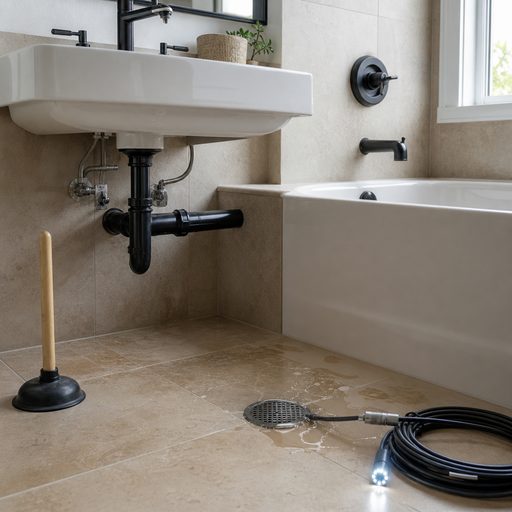
One slow bathroom sink often points to a local fixture clog. But if multiple drains slow down together, the toilet level changes when other fixtures run, or a shower or floor drain backs up when you use another appliance, the issue may be farther downstream. Those patterns can suggest a blockage in a shared branch or the main drain line that carries wastewater out of the home.
That kind of problem should not be ignored. Main line issues can affect several fixtures at once and are more likely to cause messy backups in the lowest part of the house. The practical takeaway is simple: a slow drain is usually the cheapest, cleanest stage to investigate. If the warning signs are spreading beyond one fixture, schedule Drain Cleaning promptly instead of waiting for a full stoppage and water on the floor.
Is a slow drain always a clog?
Usually, but not always. A slow drain often comes from buildup in the trap or drain line, such as hair, soap residue, grease, or food waste. It can also relate to poor venting or a larger restriction farther down the line. If one fixture is affected, the problem is often local. If several are affected, think beyond that single drain.
How long can you wait before dealing with a slow drain?
It is better not to wait. Slow drainage tends to worsen as more debris catches in the line, and the risk of overflow or backup increases with normal use. Even if the fixture still drains, that does not mean the problem is stable. Acting early usually means less disruption, easier diagnosis, and less chance of cleanup afterward.
What signs mean I should call for help soon?
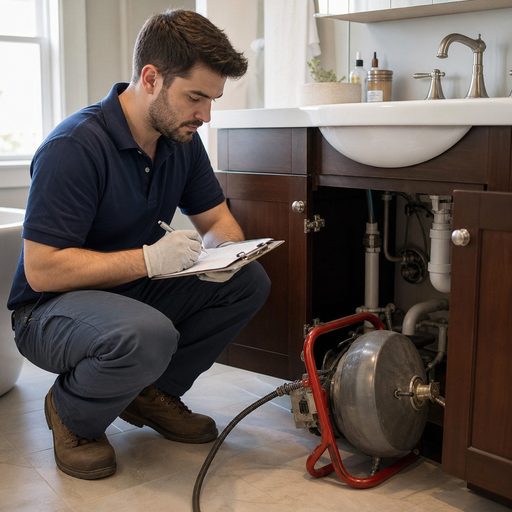
Call sooner if the drain is getting noticeably slower, smells bad, gurgles, backs up, or affects more than one fixture. A shower or floor drain backing up when another fixture runs is especially important. Those clues can point to a blockage deeper in the system. If wastewater comes back into the home, stop using the affected fixtures and arrange professional help.
Can a slow drain cause water damage without a major overflow?
Yes. Repeatedly slow drainage can leave water sitting where it should not, especially around sink rims, tub edges, shower thresholds, or under-sink connections. Over time, small splashes, minor backups, or hidden drips around stressed fittings can stain cabinets, swell materials, and support mildew. Damage does not always start with a dramatic flood; it can build gradually from repeated moisture exposure.
Sources and further reading
These references support material safety, technical, consumer, or planning guidance in this article. Confirm property-specific requirements with the applicable authority and professional.