 Plumbing Advisors Editorial TeamEditorial StandardsUpdated June 2, 2026Source-Checked
A garbage disposal looks tough enough to handle anything, but the truth is that most disposal failures come down to what gets put into them. The unit is designed to grind soft food scraps that rinse away with plenty of water, not to act as a trash can for everything left on a plate. A handful of common items will jam the grinding plate, dull it over time, or slip through and clog the drain line below. Knowing what to keep out is the single most effective way to avoid jams, leaks, and clogs, and the habits are simple once you know the list.
Items That Jam or Damage the Unit
Some things should never go into a disposal because they can stop the grinding plate or wear it out. Hard objects can jam the unit instantly, while fibrous and starchy foods wrap around or gum up the works. The list below covers the most common offenders that lead to a humming, jammed, or struggling disposal.
- Bones, fruit pits, and other hard objects that can jam the flywheel.
- Fibrous foods like celery, corn husks, artichokes, and onion skins that wrap around the grinding plate.
- Starchy foods such as potato peels, pasta, and rice that turn into a thick paste.
- Coffee grounds, which clump together and build up in the drain line.
- Non-food items like glass, metal, twist ties, and produce stickers, which can damage the unit or lodge inside it.
Items That Clog the Drain
Even things the disposal can technically grind may cause trouble further down the line. Grease, oil, and fat are the worst offenders: they pour in as a liquid but cool and harden inside the pipe, narrowing it until water backs up. Eggshells are often said to sharpen the blades, but in practice the fine membrane and gritty bits contribute to buildup rather than helping. The pattern to remember is that a disposal does not make these items disappear; it simply moves them into your drain, where they can collect over time and lead to a clog that needs professional clearing.
Never reach into the disposal to retrieve something
If a utensil, bottle cap, or other object falls into the disposal, turn the switch off and unplug the unit or shut off its breaker before doing anything. Never put your hand inside to fish it out, even when the unit is off. Use tongs or pliers and a flashlight, and keep the power off until the object is removed and you are ready to test the unit.
Simple Habits That Protect Your Disposal
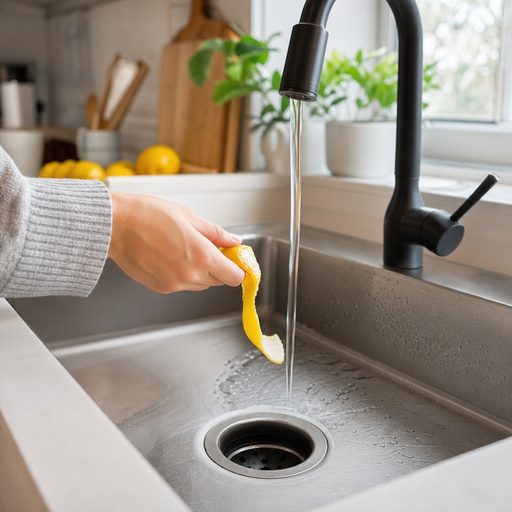
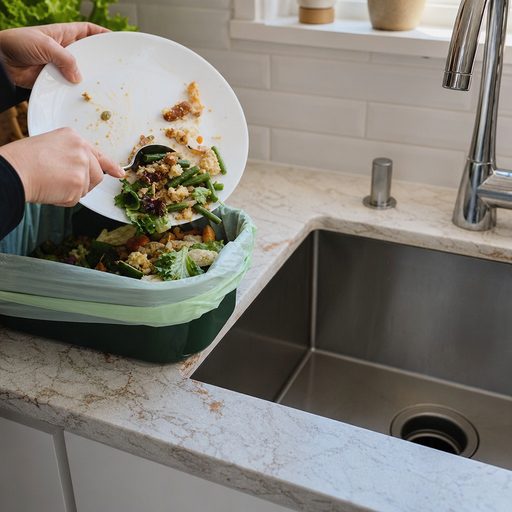
Using a disposal well is mostly about a few easy habits. Run a strong stream of cold water before, during, and for a good while after grinding, so scraps are carried fully down the line rather than settling in the pipe. Feed food in small amounts instead of packing the chamber, and let the unit finish grinding before you add more or shut it off. Scrape plates into the trash or a compost bin first and treat the disposal as a tool for the small bits left behind, not the main way you dispose of food. And keep grease out entirely by letting it cool and throwing it away. These habits prevent the great majority of jams and clogs.
When to Call a Professional
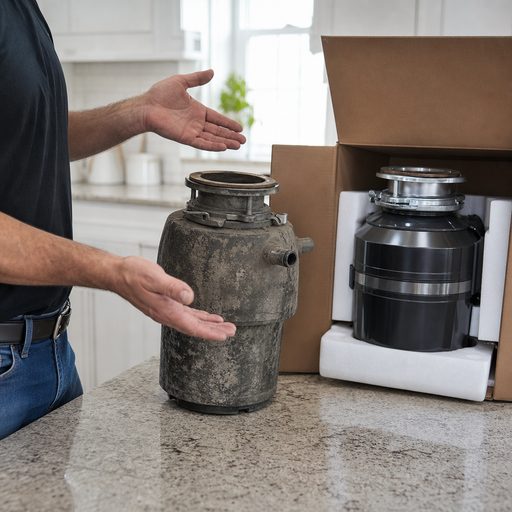
If the disposal jams repeatedly, leaks, or the sink drains slowly even after you have changed what goes down it, a garbage disposal repair service can diagnose the unit and address any damage safely. When the slow drainage is in the line rather than the disposal itself, clogged drain service can clear the blockage without harsh chemicals. To keep the unit fresh between problems, see our guide on keeping your garbage disposal clean and odor-free, and if jams keep coming back, our guide on whether to repair or replace your garbage disposal can help you decide on the next step.
Sources and further reading
These references support material safety, technical, consumer, or planning guidance in this article. Confirm property-specific requirements with the applicable authority and professional.