 Plumbing Advisors Editorial TeamEditorial StandardsUpdated May 28, 2026Source-Checked
Most homeowners only think about their drains when one stops working, but a periodic professional cleaning can keep small buildup from ever becoming a backup. The natural question is how often that should happen, and like most plumbing questions, the honest answer is that it depends. A home's age, plumbing, household size, and habits all shape how quickly drains gather debris. Rather than a single rule, it helps to start with general guidance and then adjust based on the factors that apply to your home.
General Guidance for a Typical Home
For many households with no ongoing drain trouble, a professional cleaning every year or two is a reasonable starting point to keep the main line and busiest drains clear. Think of it as preventive maintenance rather than a fixed requirement. The goal is to clear buildup before it hardens into a blockage, which is far less disruptive and often less costly than an emergency call after a drain has already backed up. This is guidance only, and the right interval for your home may be shorter or longer depending on the circumstances below.
Factors That Mean Cleaning More Often
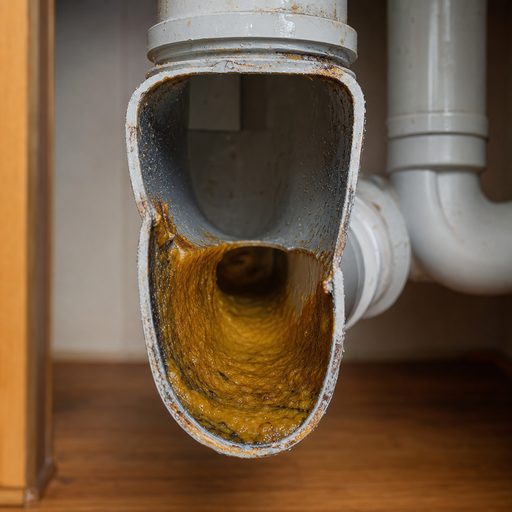
Several things can shorten the interval between cleanings. Homes with mature trees near the sewer line are prone to root intrusion and often benefit from more frequent attention. Older properties with aging or rough-walled pipes collect debris faster, and busy households simply put more through their drains. If you have a history of recurring clogs, that is a strong sign your drains need professional care more often than the average home.
- Mature trees with roots near the sewer or main line.
- Older homes with aging, corroded, or rough-walled pipes.
- Large or busy households that use fixtures heavily.
- Frequent cooking that sends grease toward kitchen drains.
- Hard water that leaves mineral scale inside pipes.
- A track record of clogs that keep coming back.
Pair cleaning with simple daily habits
A professional cleaning lasts longer when everyday habits support it. Use drain screens to catch hair and food, keep grease out of the kitchen sink, and run hot water after use. These small steps slow the buildup between visits and help you stretch the time before the next cleaning is needed.
Signs Not to Wait for the Schedule
A maintenance interval is a guideline, not a reason to ignore problems in the meantime. Certain symptoms mean a drain needs attention now, regardless of when it was last cleaned. Slow drains throughout the home, gurgling sounds, recurring odors, or any sign that more than one fixture is backing up all warrant a prompt call. Addressing these early is almost always easier than waiting until a full backup forces the issue, and a plumber can also advise whether your cleaning interval should change going forward.
When to Call a Professional
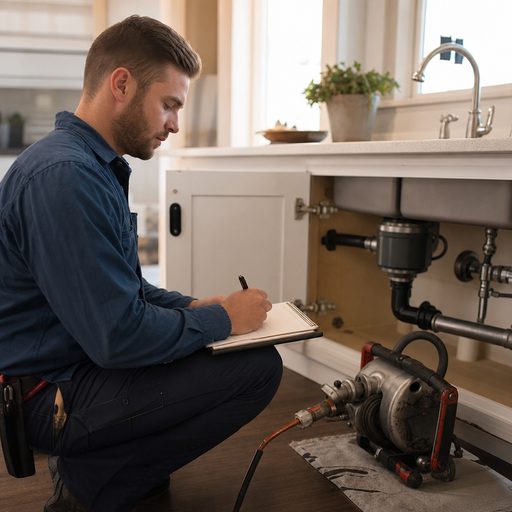
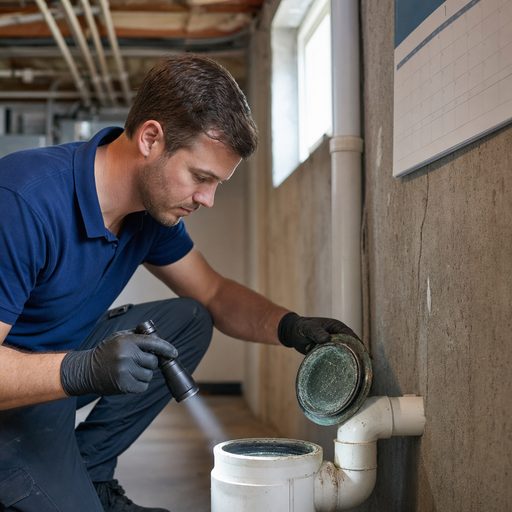
A professional can recommend a sensible cleaning schedule for your specific home and carry out the work safely when the time comes. Drain cleaning service can clear and inspect your lines, and if a recurring clogged drain suggests a deeper issue, a plumber can determine whether something beyond routine maintenance is at play. To understand what keeps drains clogging in the first place, see our guide on what causes recurring drain clogs, and to plan ahead for the expense, our guide on how much professional drain cleaning costs explains what drives the price.
Sources and further reading
These references support material safety, technical, consumer, or planning guidance in this article. Confirm property-specific requirements with the applicable authority and professional.