
Toilet Replacement
Toilet Replacement in Philadelphia, PA
The first step for toilet replacement in Philadelphia, PA is to record whether the goal is to solve damage, repeated repair, poor fit, weak performance, or water use. This helps separate the initial service request from the diagnosis that must be made at the property.
Plumbing Advisors provides guidance and connection assistance. Independent providers perform the plumbing work and confirm availability, pricing, timing, and credentials.
On this pageOverview
 Plumbing Advisors Editorial TeamEditorial StandardsSource-Checked
The first step for toilet replacement in Philadelphia, PA is to record whether the goal is to solve damage, repeated repair, poor fit, weak performance, or water use. This helps separate the initial service request from the diagnosis that must be made at the property.
The quick answer
- Typical cost
- Wax ring and reset typically costs $115 to $375. The final cost depends on the confirmed scope, access, parts or equipment, labor, timing, and related work.
- Repair or replace
- The first question is whether the old toilet is worth keeping.
- Get help fast
- Describe the problem and we'll connect you with independent toilet replacement pros serving Philadelphia, PA — no obligation.
Toilet Replacement in Philadelphia
Replacing a toilet is one of the more satisfying plumbing upgrades because a good new fixture solves several problems at once: it stops the repeated repairs, ends the constant running, and often cuts water use in the bargain. The job itself has two halves. First is choosing the right toilet, which comes down to fit, comfort, and efficiency rather than just looks. Second is the install, where the old fixture comes out, the connection to the drain is inspected and resealed, and the new toilet is set level and secure so it does not rock or leak.
The single most important number in the whole project is the rough-in, the distance from the finished wall to the center of the floor bolts. Most homes use twelve inches, but older houses can have ten or fourteen, and a toilet built for one will not sit right on another. Beyond fit, the choices are about how the toilet feels and performs: bowl height, whether it is a one-piece or two-piece design, and how much water it uses per flush. A WaterSense-labeled toilet uses 1.28 gallons or less and can meaningfully lower water use compared with an older 3.5-gallon model. Plumbing Advisors is a national service that helps you weigh these choices and connects you with plumbing professionals who handle the removal and installation in your area.
Signs it is time to replace your toilet in Philadelphia
A crack in the tank or bowl
Even a hairline crack in the porcelain tends to spread and can leak without warning. A cracked tank or bowl generally cannot be reliably sealed, which makes replacement the safe choice.
Constant clogs despite cleaning
A toilet that clogs again and again, even after the trap is cleared, may have an inefficient older design or internal mineral buildup that restricts flow. At some point a new fixture clears the bowl far more reliably.
Repairs that no longer hold
If you have replaced the flapper, fill valve, and other internals and the toilet still runs or leaks, the parts may no longer seat well in a worn tank. Repeated repairs that do not stick point toward replacement.
A very old, high-volume toilet
Toilets made before the mid-1990s often use 3.5 gallons or more per flush. Swapping one for a 1.28-gallon WaterSense model can lower water use noticeably, which adds up on the bill over the years.
The toilet rocks or the base leaks
A toilet that shifts when you lean on it can mean a damaged flange or a failed seal underneath. If the floor around it stays damp or the bolts will not tighten, the connection beneath needs attention and replacement is often the cleanest fix.
You are remodeling the bathroom
A renovation is the natural moment to update an outdated toilet, change to a comfort-height bowl, or move to a style that fits the new look. Doing it during the project avoids a separate job later.
Causes and scope drivers to inspect
- A cracked tank or bowl that cannot be sealed
- Repeated repairs that no longer hold
- An aging low-flow design that clogs easily
- An outdated toilet using far more water than newer models
- A wobbling fixture with a damaged flange or seal
Repair vs. replace, and how to choose a new toilet
The first question is whether the old toilet is worth keeping. If you are replacing it, the next decisions are about fit, comfort, and efficiency rather than brand alone.
Keep and repair
If the bowl and tank are sound and the only trouble is a running tank, a slow fill, or a worn wax ring, repair is almost always the better value. The parts are inexpensive and the fix restores normal function without the cost of a new fixture and its installation.
Replace with a standard two-piece toilet
A two-piece toilet, with a separate tank and bowl, is the common, budget-friendly choice. Parts are easy to find and the fixture is lighter to handle. Comfort or chair height, a few inches taller than standard, is easier to sit down on and stand up from for many people.
Replace with a one-piece or higher-efficiency model
A one-piece toilet has the tank and bowl molded together, with fewer seams to clean and a sleeker look, usually at a higher price. Whichever style you pick, a WaterSense-labeled model at 1.28 gallons per flush or less trims water use while still clearing the bowl well.
How much does toilet replacement cost in Philadelphia?
For toilet replacement in Philadelphia, PA, compare itemized quotes for the same inspected scope. Access, testing, parts or equipment, permits, restoration, and urgency can change the final price.
Typical plumbing rates in Philadelphia, PA
| Labor | Typical cost range |
|---|---|
| Residential plumbing labor | $105–$205 per hour |
Emergency pricing factors
| Factor | Typical range |
|---|---|
| After-hours or emergency factor | 1.43x–2.48x |
Typical toilet replacement costs in Philadelphia, PA
| Project | Typical cost range |
|---|---|
| Wax ring and reset | $115–$375 |
| Closet flange repair or replacement | $150–$760 |
Labor-only project costs
| Labor | Typical cost range |
|---|---|
| Installation labor only | $140–$545 |
Per-item costs
| Item or service | Typical cost range |
|---|---|
| Standard two-piece toilet (fixture) | $95–$380 per unit |
| One-piece toilet (fixture) | $230–$850 per unit |
Cost ranges are estimates developed from standardized project scopes and reviewed pricing inputs. Government labor and regional cost data are used where applicable. See our Pricing Methodology for the exact sources, calculations, and review date. Actual prices vary by property, scope, materials or equipment, location, and provider.
What affects the cost
- The price and style of the new toilet, from basic two-piece to one-piece or smart models
- Whether the closet flange or floor needs repair before setting the new toilet
- The rough-in size and whether an uncommon size limits fixture choices
- Haul-away and disposal of the old fixture
- Difficulty reaching the shutoff or working in a tight or older bathroom
- Regional labor rates, which vary widely by area
Planning toilet replacement in Philadelphia
A useful local scenario
For a toilet replacement concern in Philadelphia, PA, write down the observable pattern, such as "The toilet clogs constantly despite repairs". Include when it began and whether it is isolated or repeated so the professional can choose an appropriate first test for the Pennsylvania address.
Property and access planning
In Philadelphia, collect any equipment details, prior findings, and access information related to rough-in measurement, bowl shape, clearances, flange height, shutoff, floor condition, and disposal. That preparation helps the professional price the inspected scope instead of a guessed repair. For the Philadelphia, PA estimate, ask the professional to identify the inspected component or system, the planned access point, and the exclusions that apply to the Philadelphia property.
Credential checks in Pennsylvania
There is no single state plumbing license in Pennsylvania. Plumbers are licensed or registered at the local level, so requirements vary by city, county, and borough — always confirm the rule for the specific municipality where the work will happen.
In Philadelphia, the Department of Licenses and Inspections (L&I) requires plumbing work to be done by a licensed Master Plumber. In the Pittsburgh area, the Allegheny County Health Department registers Master, Journeyman, and Apprentice plumbers, and generally only a Registered Master Plumber (or an owner-occupant of a single-family home) may pull a plumbing permit.
Permits and inspections in Pennsylvania
Permit and inspection requirements are set locally. Pennsylvania's statewide building standard is the Uniform Construction Code (UCC), administered by the Department of Labor & Industry, and over 90% of the state's municipalities enforce it locally through their own or third-party code officials. Plumbing typically needs a permit and at least rough-in and final inspections, and a homeowner permit option (where offered) does not waive the inspection — always check your local building department first.
Get matched with a toilet replacement pro in Philadelphia
Tell us what's going on and we'll connect you with independent toilet replacement help serving Philadelphia, PA.
No-obligation request · Availability varies by location and provider
What a toilet replacement visit includes
- Confirming the rough-in size and that the chosen toilet will fit
- Shutting off the supply valve and draining the old toilet
- Removing the old toilet and disposing of or hauling it away
- Inspecting the closet flange and floor, and repairing the flange if needed
- Setting the new toilet on a fresh wax ring or seal and leveling it
- Securing the bolts, reconnecting the supply line, and adjusting the fill
- Testing the flush and checking the base and tank for leaks
What to expect at the appointment
- 1Confirm the rough-in size and choose a toilet that fits
- 2Shut off the supply valve and drain the old toilet
- 3Connect with a plumbing professional that services your area
- 4Remove the old toilet and inspect the flange and floor
- 5Set the new toilet on a fresh wax ring or seal and secure it
- 6Reconnect the supply, test the flush, and check for leaks
What to do first
- Measure the rough-in: the distance from the wall to the center of the bolts
- Note whether you prefer standard or comfort height
- Look for cracks in the porcelain and water around the base
- Shut off the supply valve if the old toilet is leaking
How to choose a toilet replacement pro in Philadelphia
- Measure the rough-in before shopping so the toilet you buy will fit
- Decide on standard versus comfort height based on who uses the bathroom
- Look for a WaterSense label if lowering water use matters to you
- Confirm the professional is licensed and insured where your area requires it
- Ask for a written estimate that separates the fixture, labor, and any haul-away
- Ask whether the installation and the new toilet carry a warranty
How Plumbing Advisors helps
Plumbing Advisors helps you decide whether replacement is the right call and which toilet suits your bathroom, then connects you with plumbing professionals that service your area. Getting the rough-in size and the seal at the base right is what keeps a new toilet leak-free for years. Availability and pricing vary by location and provider.
Toilet Replacement in Philadelphia: FAQs
What can change a toilet replacement quote in Philadelphia, PA?
For Philadelphia, PA, one important scope driver is difficulty reaching the shutoff or working in a tight or older bathroom. Access, testing, parts or equipment, permits, restoration, and urgency may also matter. Compare itemized quotes for the same inspected scope rather than relying on an unsupported Pennsylvania price.
What should I note before requesting toilet replacement in Philadelphia, PA?
Whether the goal is to solve damage, repeated repair, poor fit, weak performance, or water use. For the Philadelphia, PA request, add when the condition began, what changes it, and any safe shutoff or access information. These details help frame the first inspection but do not confirm the cause at a Pennsylvania property.
Does a more efficient toilet actually save money?
Over time it can. Replacing an older toilet that uses 3.5 gallons or more per flush with a 1.28-gallon WaterSense model lowers the water used every flush, which adds up on the bill across the years you own the home. The savings are gradual rather than immediate.
What adds the most to a toilet replacement cost?
The two biggest swings are the fixture you choose and whether the connection underneath needs work. A premium one-piece or smart toilet costs far more than a basic model, and if the closet flange or floor is damaged, repairing it before setting the new toilet adds to the labor.
Should I replace my toilet or just repair it?
If the trouble is a running tank or a worn part, repair is usually the better value. Replacement makes sense when the porcelain is cracked, the toilet clogs constantly, or an old high-volume model is wasting water. Comparing recent repair costs against a new fixture helps you decide.
How do I know what size toilet to buy?
The key measurement is the rough-in: the distance from the finished wall to the center of the bolts that hold the toilet down. Most homes use a 12-inch rough-in, but older houses sometimes have 10 or 14 inches. Measuring before you buy avoids ending up with a toilet that will not fit.
What is a WaterSense toilet?
WaterSense is a label for toilets that meet a water-efficiency standard, using 1.28 gallons per flush or less while still clearing the bowl reliably. Replacing an older toilet that uses 3.5 gallons or more per flush can lower your water use noticeably over time.
Why does a new toilet need a new wax ring?
The wax ring seals the toilet to the drain flange so water and gases stay inside the pipe. It compresses to fit when the toilet is set, so a fresh ring goes in with every replacement. Reusing an old one is a common cause of base leaks later.
Sources and local references
These primary and public-agency references support the safety, credential, permit, efficiency, equipment, or local-system guidance used on this page. They do not diagnose a specific property.
Toilet Replacement in nearby cities
Other plumbing services in Philadelphia



Toilet Replacement guides
Learn before your toilet replacement in Philadelphia.
Free guides on cost, common problems, repairs, and what to expect — written to help you make the call with confidence.
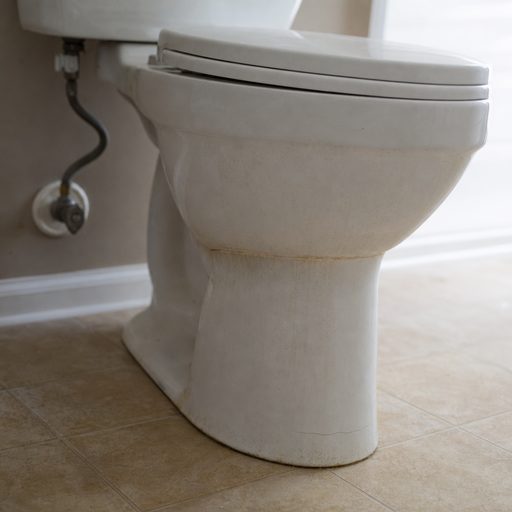
Signs Your Toilet Is Wearing Out
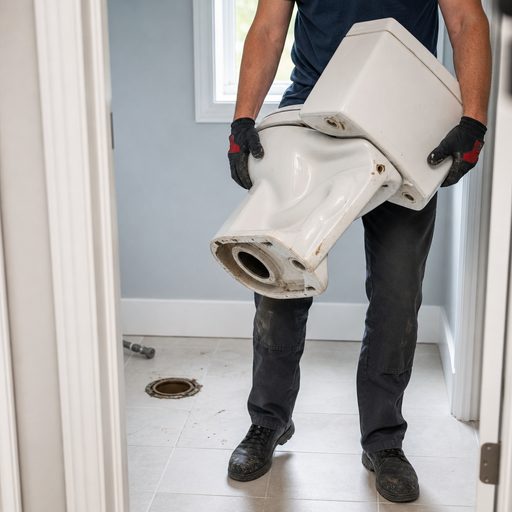
Old Toilet Removal and Disposal: How It Works
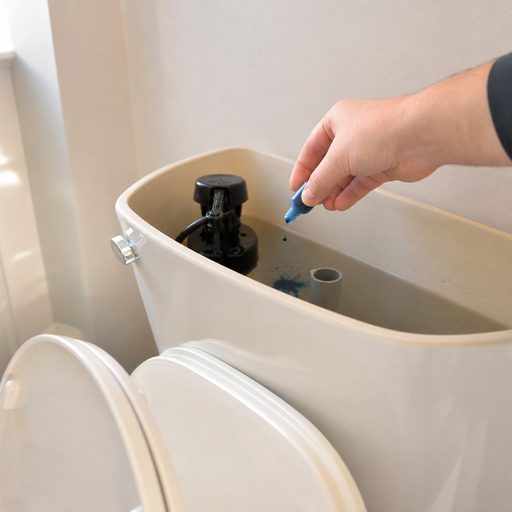
How to Tell If Your Toilet Is Leaking
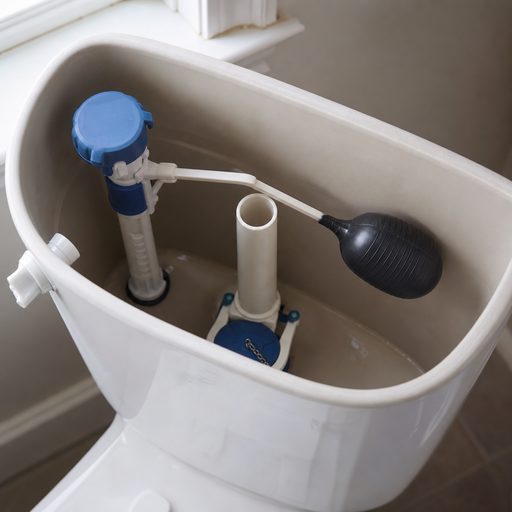
Common Toilet Parts That Fail and What They Do
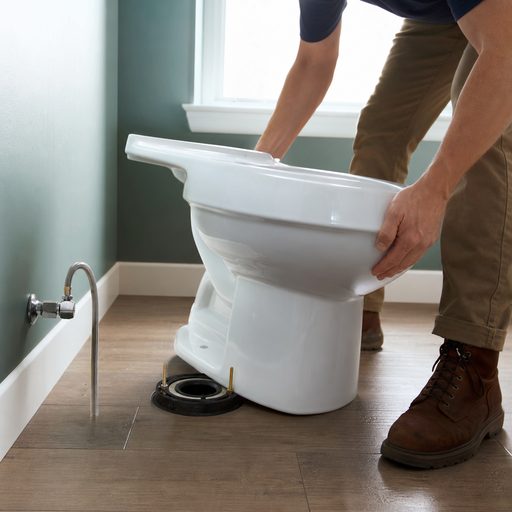
What to Expect During a Toilet Installation
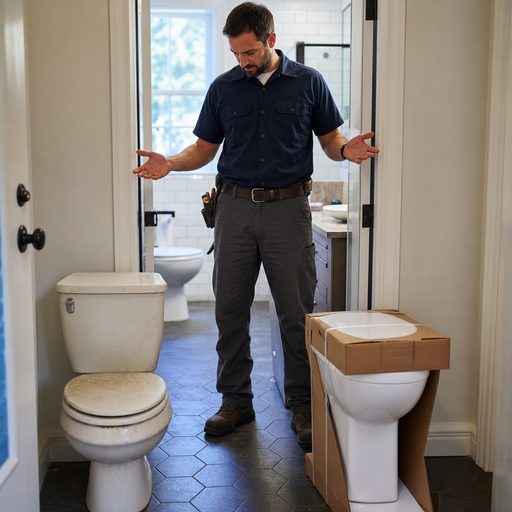
Repairing vs. Replacing a Toilet
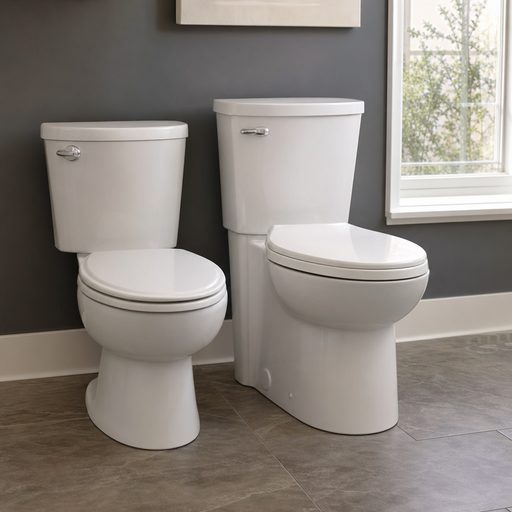
How to Choose a New Toilet: Height, Shape, and Efficiency
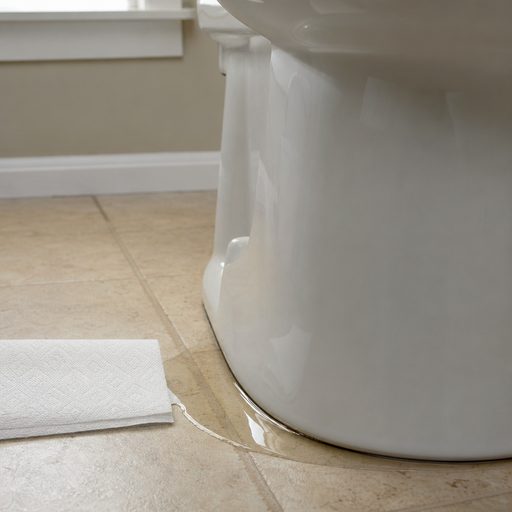
Why Is My Toilet Leaking at the Base?
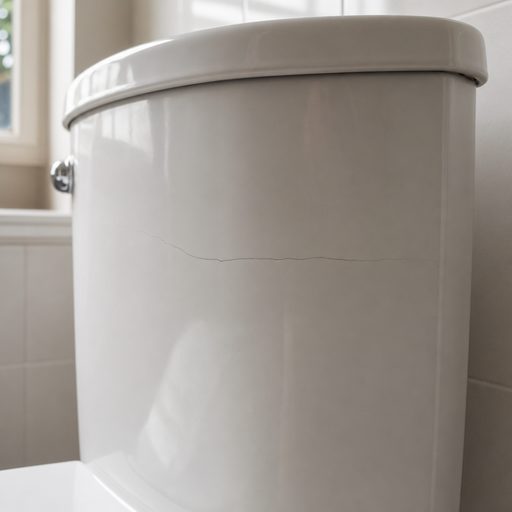
When to Replace a Toilet Instead of Repairing It
Need Plumbing Help Now?
Call Plumbing Advisors to connect with help for leaks, drains, water heaters, sewer lines, burst pipes, toilets, faucets, and more.
No-obligation request · Availability varies by location and provider