 Plumbing Advisors Editorial TeamEditorial StandardsUpdated July 5, 2026Source-Checked
Toilet replacement costs are shaped by much more than the sticker price of the fixture. The toilet model, underlying plumbing, floor condition, and what a plumber discovers during removal play major roles. Understanding all the factors—and why quotes vary—equips you to make a confident, informed choice. Read on for a detailed breakdown, including what drives the total and key tips for getting a fair estimate.
What Factors Shape the Cost of Replacing a Toilet?
Several interlocking factors decide the final cost when you replace a toilet. The fixture is just one piece; labor, existing plumbing, and needed repairs factor in. Some aspects, like the toilet’s height or flushing mechanism, affect price immediately. Others emerge only once the old toilet is off, revealing, for example, the shape of a flange or the condition of the subfloor.
The main cost drivers in toilet replacement include the type and brand of toilet you select, the state of core components like the wax ring and closet flange, and the accessibility of your bathroom setup. If other parts need work—like a corroded shutoff valve, a cracked flange, or a worn supply line—those repairs add to the total. The time and complexity of removal and installation also matter, especially if the toilet is hemmed in or the bathroom has tight dimensions.
- Toilet model and brand (e.g., one-piece vs. two-piece, brands like Kohler or American Standard)
- Flange and subfloor condition, which can’t always be seen until the old toilet comes off
- Wax ring, T-bolts, and supply line (often replaced to ensure a good seal and avoid leaks)
- Access limitations, such as narrow powder rooms or toilets installed close to walls or vanities
- Disposal of the old toilet and scheduling, especially if urgent or outside normal hours
Types of Toilets and How They Impact the Job
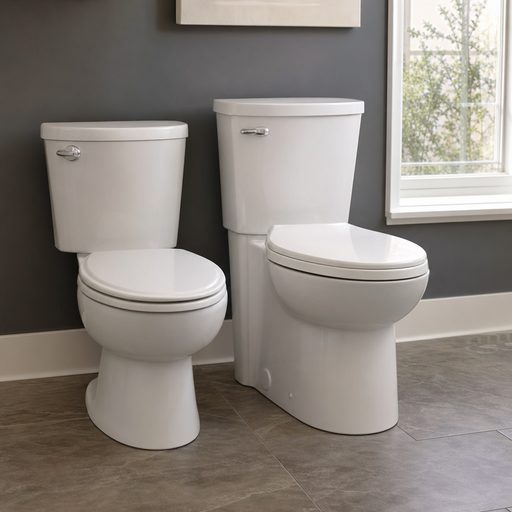
Toilets come in a wider array of designs and specifications than many realize, and those choices influence both the price and complexity of installation. Basic, two-piece round-bowl models from names like Gerber or Glacier Bay tend to be lower-priced and more straightforward to replace. Taller comfort-height models, elongated bowls, one-piece toilets, and dual-flush or WaterSense-labeled options from manufacturers such as TOTO or Kohler often cost more and may require extra attention to details like rough-in compatibility.
Some high-efficiency models or wall-hung toilets include additional components—like special carrier frames or in-wall tanks—which increase both material cost and labor compared to standard floor-mounted models. The size and weight of the unit can matter as well; heavy one-piece toilets may require two people to safely handle. Keep in mind that selecting a model with unfamiliar features (built-in bidets, custom glazing, or concealed trapways) may require your installer to follow brand-specific instructions and use proprietary parts.
Confirm Compatibility Before Purchase
Before buying a toilet, check your current rough-in measurement (the distance from the wall to the bolts), bowl shape, and seat height to avoid last-minute installation issues. Mismatches can mean returns or extra labor. Some brands such as American Standard and Kohler offer helpful selection guides for homeowners.
Condition of the Flange and Subfloor: The Hidden Variables
Often, the true state of your toilet’s anchoring—the flange or collar that bolts to the floor—can’t be confirmed until the old fixture is removed. The flange (typically cast iron, PVC, or ABS) must be solid, level, and set at the right height for a proper seal. If years of leaks, rocking, or improper installation have caused damage, you may face repair or replacement of this crucial part.
Related discoveries like a rotted subfloor can drive up both time and effort required. Repair may involve sistering floor joists, replacing plywood, or using flange repair rings and spacers. While most swaps just need a fresh wax ring or rubber gasket, a loose or corroded flange, or soft spots in the floor around the toilet, are common surprises. Code requirements for toilet installation vary by jurisdiction, so a local plumbing pro is best positioned to guide you through what's needed.
- Closet flange (PVC, ABS, or cast iron)—typically lasts as long as the floor if not damaged
- Wax ring or rubber seal—standard to replace with each new toilet
- Closet bolts and washers—should be new for every installation
Supply Lines, Shutoff Valves, and Related Parts
A toilet connects to your home's water with a supply line—usually a flexible braided hose—secured by a shutoff valve below the tank. It’s considered best practice to replace old or corroded valves (common brands: BrassCraft, SharkBite) and the supply line during toilet installation to prevent leaks. These small upgrades can avert water damage but add a minor bump in total cost.
Some homes have strictly original shutoff valves that may be stuck, leak-prone, or not up to current code. Upgrading to a quarter-turn ball valve is often recommended for long-term reliability and ease of future repairs. Even a simple supply line swap can reveal the need for Teflon tape or specific washers compatible with your toilet and angle stop. These part choices, minor as they seem, contribute to a tight, leak-free fit and a successful job.
How Accessibility and Labor Affect the Estimate
Bathrooms come in all shapes and sizes. If your toilet sits between a wall and a vanity with little clearance, or if maneuvering the new fixture in requires extra hands, the job may take longer. Working in tight quarters often calls for removing additional trim, careful floor protection, or even disconnecting doors. Leveling and shimming to ensure the new toilet doesn’t rock on uneven tile or grout lines is another common step that adds time—and sometimes material—to an install.
Labor rates vary by area, but so does what’s included. Some quotes factor in the haul-away and disposal of the old fixture; others add it as a line item. After-hours, weekend, or emergency visits almost always result in higher labor charges, as do locations with particular access challenges (upstairs installations, narrow staircases). This is why having a local pro visit and evaluate your specific situation is the only reliable way to receive an estimate that truly matches your needs.
When Flange Repairs and Subfloor Work Are Needed
A flange in rough shape is one of the most common add-ons during toilet replacement. This ring (often PVC or cast iron) anchors the toilet and allows it to seal to the drain. Typical problems—rust, cracks, or improper height—mean repairs such as flange extenders, metal repair rings, or even full flange replacement. The cost and time required depend on the materials involved and how much flooring must be cut or rebuilt.
If the job reveals water-damaged subfloor, a plumber may coordinate with a carpenter to replace rotted wood or patch the area before the toilet is installed. This adds steps and extends the timeline, but is essential for long-term support and code compliance. Addressing these issues during replacement prevents rocking, wobbling, and future leaks—protecting your investment in the new fixture.
- PVC or cast iron flange repair (replacement rings, spacers, or entire new assemblies)
- Cutting and replacing plywood subfloor beneath and around the flange
- Ensuring new bolts, washers, and a fresh wax ring are installed for a water-tight seal
How to Read and Compare Professional Estimates
No two toilet installation estimates are created alike: some include all labor, haul-away, and common small repairs, while others list materials à la carte. Reputable plumbers separate the fixture cost from labor, list any anticipated repairs (like new shutoff valves or flange repair), and line out additional work if required. A detailed, transparent proposal outlines everything you’ll pay for—and makes side-by-side comparisons possible.
Ask About the Warranty on Parts
Workmanship guarantees come from your installer, and fixture warranties come from the manufacturer — brands like Kohler and American Standard warranty their fixtures for several years. Ask your installer how these warranties apply, and whether labor on related parts (like supply lines or shutoff valves) is covered, so you know what’s protected after the job is done.
Preventing Future Issues and Maximizing Value
A properly installed toilet with modern components can last decades. Choose quality brands, and prioritize proper fit and sealing over squeezing out short-term savings. New toilets with WaterSense certification reduce water use and can lower your monthly utility bill. Upgrading supporting parts, such as installing a new supply line, quarter-turn shutoff valve, and quality wax ring or Fluidmaster rubber gasket, helps prevent leaks and ensures smooth future servicing.
Be proactive: replacing a toilet before leaks or rocking occur reduces risk of hidden damage below and expands your window for scheduling, often lowering labor costs. For more detail on repair-vs-replacement decisions, consult our guides: When to Replace a Toilet Instead of Repairing It and How to Choose a New Toilet: Height, Shape, and Efficiency. Considering a professional Toilet Replacement or seeking insight from Toilet Repair services will help you get a solution tailored to your bathroom and your timeline.
What’s included in a typical toilet replacement service?
Most professional services include removing the old toilet, installing a new one, replacing the wax ring and flange bolts, reconnecting the supply line, and testing for leaks. Some pros include haul-away and disposal of the old fixture. Any additional repairs—like fixing a damaged flange or installing a new shutoff valve—are usually itemized separately in the estimate.
How do I know if my flange or subfloor needs repair?
Softness in the floor, persistent rocking, or visible rust/staining around the base often signal a problem. The true condition becomes clear after the old toilet is removed. A plumber checks for cracks, rotting wood, and flange level to ensure a stable, code-compliant new installation. Addressing these now is critical to prevent future leaks.
Can I reuse the existing supply line or shutoff valve?
It’s possible, but generally not recommended unless both are in excellent condition and meet modern code. Supply lines can develop internal wear, and older shutoff valves may stick or fail to seal. Most plumbers prefer replacing them to guarantee a tight, safe connection and avoid unplanned water damage.
Are all new toilets compatible with my bathroom?
No. Compatibility depends on your bathroom’s rough-in measurement (distance from wall to bolts), bowl shape preference, and clearance around the fixture. Some older homes have non-standard rough-ins. Check these dimensions—manufacturers like Kohler and American Standard detail compatibility in their product guides—before buying to avoid surprise returns or extra labor.
How can I lower the total cost of toilet replacement?
Choose a model that fits your needs but avoids premium features you won’t use. Have the plumber inspect the existing flange, floor, and supply parts in advance to catch repair needs early. Scheduling during normal hours, keeping the bathroom accessible, and purchasing the right toilet the first time help minimize both labor and return visits. See the related cost guide for a full sense of possible charges.
Sources and further reading
These references support material safety, technical, consumer, or planning guidance in this article. Confirm property-specific requirements with the applicable authority and professional.