 Plumbing Advisors Editorial TeamEditorial StandardsUpdated April 6, 2026Source-Checked
A toilet that keeps running long after you flush is more than just an annoyance; it can quietly waste hundreds of gallons of water and noticeably inflate your bill over time. The good news is that the cause is almost always a worn or misadjusted part inside the tank, and a few safe checks can often tell you exactly what is going on. Understanding the simple mechanism inside the tank makes the problem much easier to diagnose and gives you a clear sense of whether it is a quick adjustment or a job for a professional.
How the Tank Works
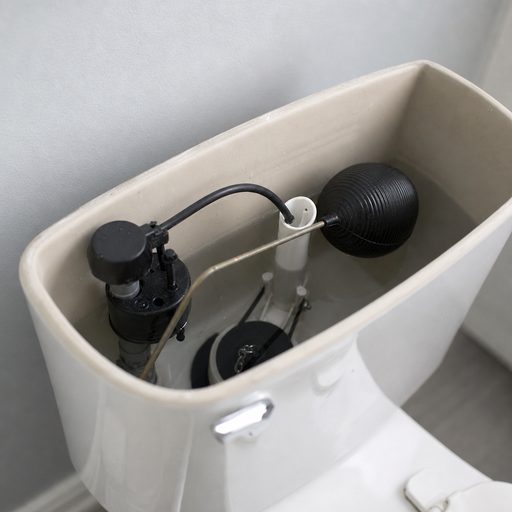
Inside the tank, a rubber flapper at the bottom lifts to release water into the bowl when you flush, then drops back down to seal the tank so it can refill. A float rises with the water level and signals the fill valve to shut off once the tank is full. An overflow tube prevents the tank from overfilling by carrying excess water into the bowl. When a toilet runs continuously, one of these parts is usually not doing its job, so water keeps flowing into the bowl or down the overflow tube instead of stopping. The parts inside the tank are inexpensive and designed to be replaced, which is why most running toilets are an easy and affordable fix once you identify which component has worn out.
Common Causes of a Running Toilet
- A worn, warped, or dirty flapper that no longer seals the bottom of the tank.
- A flapper chain that is too short, too long, or tangled, holding the flapper open.
- A float set too high, sending a steady stream of water down the overflow tube.
- A worn or faulty fill valve that does not shut off completely.
- Mineral buildup keeping the flapper or valve from seating properly.
- A flapper that no longer matches the flush valve after a previous part swap.
Safe Checks and When to Call a Professional
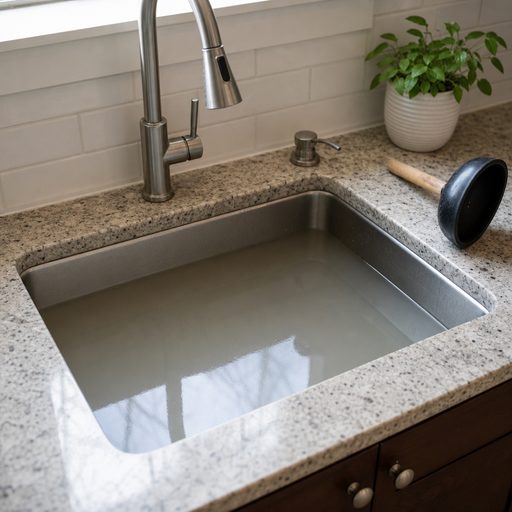
You can safely lift the tank lid and watch a full flush cycle to see what is happening inside. Check that the flapper falls and seals cleanly, that the chain has just a little slack, and that the float shuts the water off before the level reaches the top of the overflow tube. Many running toilets are solved with a simple flapper or float adjustment. If those steps do not fix it, or if the fill valve is clearly worn out, toilet repair service can replace the internal parts quickly and reliably. For a toilet that is also flushing slowly or backing up rather than simply running, our guide on telling if a drain clog is serious can help you sort out whether the trouble is in the tank or in the drain, and broader plumbing repair is available if the issue extends beyond the tank itself.
Sources and further reading
These references support material safety, technical, consumer, or planning guidance in this article. Confirm property-specific requirements with the applicable authority and professional.