 Plumbing Advisors Editorial TeamEditorial StandardsSource review July 26, 2026Source-Checked
Confirm the pattern before opening walls or floors
Visible leak or unexplained water use?
Compare the bill, meter, and visible fixtures before assuming the leak is underground. Miami-Dade's meter procedure can help separate water use inside the home from a possible line or outdoor connection between the meter and house.
A meter change or monitoring alert can confirm unexplained water use, but it cannot identify the leaking pipe or fixture by itself.
What the signs can tell you
Start with what you can observe: when the moisture appears, whether the meter changes with water off, and which fixture or area is nearby. Those details help narrow the search without guessing at a cause.
| What you notice | What it may indicate | What to do next |
|---|---|---|
| The meter changes while every fixture and appliance is off | Water may be escaping somewhere on the property | Record both readings and the time between them. A professional still needs to locate the source. |
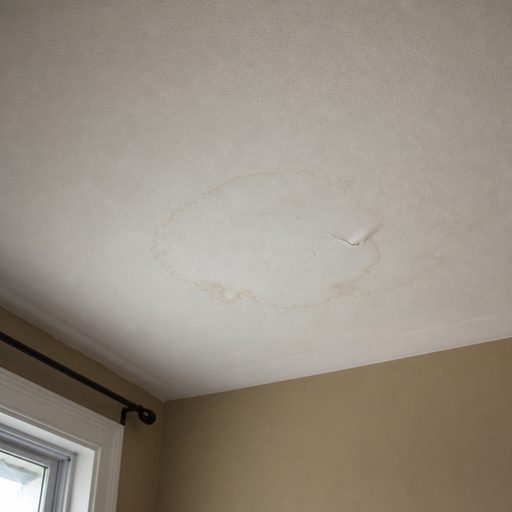
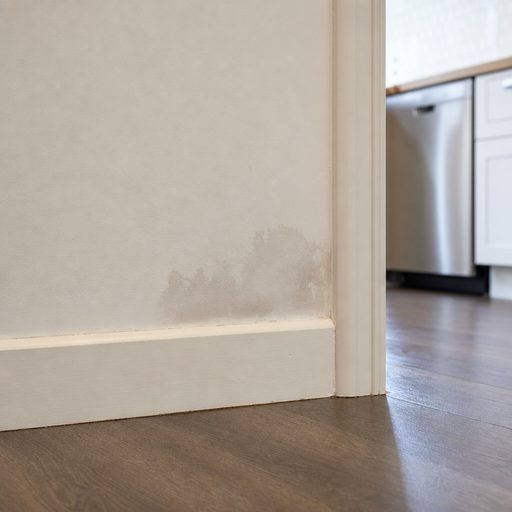
| A stain or damp area grows after one fixture is used | The nearby fixture, supply, or drain path may be involved | Stop using that fixture and note how long it takes for the moisture to appear. |
| Water can be heard while nothing is running | A pressurized line or hidden fixture may still be using water | Check accessible fixtures and the meter without opening walls or floors. |
| The bill rises with no clear change in household use | An unidentified leak is one possible explanation | Compare the same billing period from the prior year and perform a no-use meter check. |
| Water is actively spreading through a wall, ceiling, or floor | The leak is ongoing and damage is increasing | Use a known safe shutoff if accessible, move away from the wet area, and request prompt help. |
How Miami-Dade narrows indoor and outdoor water use
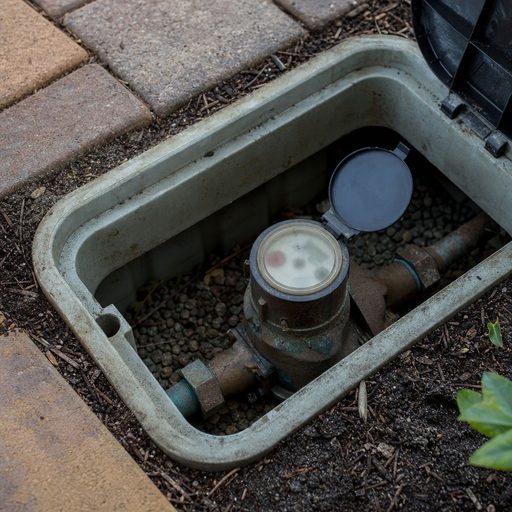
Miami-Dade recommends checking whether the meter moves with all water off and comparing readings before and after two hours without water use. If needed, repeating the check after closing the house valve can help narrow whether unexplained flow is inside the home or between the meter and house.
The flow indicator moves while no water is being used
Check accessible toilets, faucets, showerheads, valves, and outdoor connections before assuming the source is concealed.
The reading increases during a two-hour no-use period
Record both readings. The change supports a leak somewhere in or around the home but does not locate it.
The meter still moves after the house valve is safely closed
Tell the professional; Miami-Dade says this can help narrow the concern to the area between the meter and home or another outdoor connection.
The meter stops after the house valve is closed
The unexplained use is more likely inside the home's plumbing, but the exact fixture or line still needs to be found.
Operate only a house valve you already know and can reach safely. Do not handle utility equipment or force a valve that does not turn easily.
Sources: Miami-Dade County - Leak Detection Tips, EPA WaterSense - Home Maintenance
Get help with a leak detection problem in Miami
Describe the moisture, sound, meter reading, affected area, and whether water is actively spreading.
No-obligation request · Availability varies by location and provider
What professional leak detection service does
Hidden leaks can quietly cause damage and drive up your water bill long before you see them. Plumbing Advisors helps you spot the warning signs and connect with leak detection help.
Professional leak detection begins with the symptom history and accessible plumbing. The provider may compare meter behavior, isolate fixtures or lines, and use noninvasive tools before recommending access through a wall, floor, or ceiling.
No single observation or tool finds every leak. The useful result is a documented location and a clear explanation of what supports the proposed access and repair.
What may be behind unexplained water use or moisture
A worn fixture or connection
Toilets, faucets, supply connections, and appliance lines can lose water where the problem is still accessible.
Sources: EPA WaterSense - Home Maintenance
A hidden pressurized line
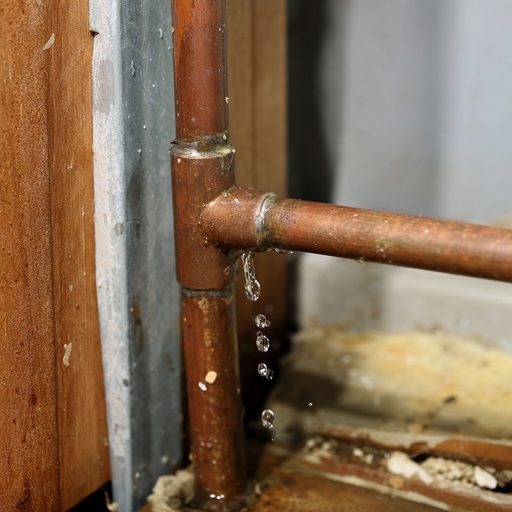
A supply-line leak may continue while fixtures are off and can show up as meter movement, sound, or spreading moisture away from the source.
Sources: EPA WaterSense - Leak Detection and Flow Monitoring Devices
Irrigation or water-using equipment
Outdoor irrigation and water-using equipment can create unexplained use that should be separated from the plumbing inside the home.
Sources: EPA WaterSense - Leak Detection and Flow Monitoring Devices
Aging, corrosion, pressure, or cold
EPA lists older piping, corrosion, irregular pressure, cold temperatures, equipment problems, and installation issues as possible causes. The visible symptom does not tell you which one applies.
Sources: EPA WaterSense - Leak Detection and Flow Monitoring Devices
What you can safely check first
- Look under sinks and around toilets, faucets, appliances, hose connections, and irrigation controls for visible water.
- With every indoor and outdoor water use stopped, note the meter reading and check it again after two hours without using water.
- Record when the stain, sound, odor, or dampness appears and whether it changes after a nearby fixture is used.
- Close a known fixture or main shutoff only when it is easy to reach and safe to operate.
- Do not cut into walls, floors, or ceilings to search for the source.
Treat the meter as a clue, not a location tool
A changed reading after two hours with no water use probably indicates a leak. It does not show where the water is escaping, and monitoring alerts still need investigation before access or repair is approved.
Sources: EPA WaterSense - Home Maintenance, EPA WaterSense - Leak Detection and Flow Monitoring Devices
When leak detection should not wait
Prompt help is appropriate when water is actively spreading, the meter shows continuing use you cannot explain, or a known safe house valve does not control the flow. After control, dry affected materials promptly instead of waiting for the source search to be complete.
- Moisture is spreading through cabinets, walls, ceilings, or floors
- The flow indicator keeps moving with all intended water use off
- The meter continues moving after the known house valve is closed
- A safe, accessible shutoff does not control the active water
Sources: Miami-Dade County - Leak Detection Tips, EPA - A Brief Guide to Mold, Moisture and Your Home
How the leak should be narrowed down
The test should answer the next unresolved question. A tool is useful only when the provider can explain what the result shows and how it affects the access plan.
| Method | Where it may fit | Important limitation |
|---|---|---|
| Visible fixture and connection check | Drips, puddles, damp cabinets, or water near an accessible fixture | It does not rule out a second hidden source. |
| Meter comparison and isolation | Unexplained water use when no fixture is intentionally running | It confirms a pattern but does not pinpoint the leak. |
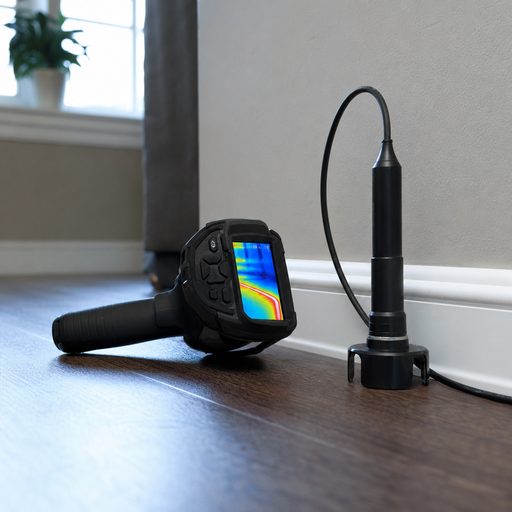
| Moisture, flow, acoustic, or thermal testing | Water believed to be behind a finished surface or below a floor | Each tool has limits and should be interpreted with the plumbing layout. |
| Targeted access | A location supported by multiple observations or test results | The opening and restoration scope should be clear before work begins. |
Sources: EPA WaterSense - Home Maintenance, EPA WaterSense - Leak Detection and Flow Monitoring Devices
What genuinely changes the leak check in Miami
Miami-Dade lists common visible sources before hidden ones
The County points to worn toilet flappers, dripping faucets or showerheads, and leaking valves alongside concealed or underground leaks. Checking those accessible items first can prevent a larger search from starting on a simple fixture problem.
Responsibility changes after the meter box
Miami-Dade Water and Sewer says it maintains service through the meter box and does not repair private property. The account holder is responsible for water use after the meter box, including concealed or underground leaks.
A higher bill is a reason to investigate, not proof of location
Miami-Dade says an unexpectedly high bill can result from an underground or concealed leak, but it also identifies ordinary fixture leaks as possible sources. Pair the bill change with the meter and visible checks before choosing a detection method.
Comparing a leak detection estimate
A useful estimate separates locating the leak from opening the surface, repairing the failed component, drying affected material, and restoring finishes. Ask what evidence must be found before each additional step is authorized.
Scope factors
- Whether the source is visible or hidden
- The number of lines or zones that need isolation
- The locating methods required
- Access through walls, ceilings, floors, or exterior areas
- Urgency and whether water is still active
- Repair, drying, and finish restoration after the source is found
Questions for the estimate
- Is the detection fee separate from the repair?
- Which test is included, and what can it confirm?
- What finding will justify opening a finished surface?
- Who is responsible for drying and restoring the opened area?
What to tell Plumbing Advisors
A short record of meter readings, timing, visible moisture, and recent water use gives the professional a better place to start.
- The exact meter readings and how long no water was used
- Where moisture, sound, odor, or staining appears and when it changes
- Which fixtures, appliances, irrigation zones, or hose connections were checked
- Whether water is active now and whether a known shutoff reduced it
- Whether the meter changed before and after the known house valve was safely closed
- Who will document the location, access plan, repair scope, and restoration responsibility
Plumbing Advisors does not dispatch its own local technicians. The independent professional is responsible for confirming availability, credentials, diagnosis, price, warranty terms, and work performance.
Leak Detection in Miami: frequently asked questions
What does a moving meter indicator mean in Miami-Dade?
Miami-Dade says movement while no water is being used may indicate a leak somewhere in or around the home. The indicator does not identify the exact source.
Can the house valve help narrow a Miami leak?
Miami-Dade explains that repeating the meter check after safely closing the house valve can help separate indoor use from water loss between the meter and home or another outdoor connection.
Who is responsible for a concealed leak after the meter box?
Miami-Dade Water and Sewer says the account holder is responsible for water use after the meter box, including concealed or underground leaks on private property.
Does a high Miami water bill prove I have an underground leak?
No. Miami-Dade lists concealed leaks as one possibility, but it also points to toilet flappers, faucets, showerheads, and valves. Check the meter and accessible fixtures before assuming the source is underground.
Sources and editorial methodology
Sources are included when they substantively support a local, safety, technical, or consumer decision on this page.
- Miami-Dade guidance supports the local meter, house-valve, visible-source, and responsibility information.
- The house-valve procedure is described as a narrowing step, not a final diagnosis.
- EPA guidance supports national moisture and monitoring information.
U.S. Environmental Protection Agency
EPA WaterSense - Home MaintenanceU.S. Environmental Protection Agency
EPA WaterSense - Leak Detection and Flow Monitoring DevicesU.S. Environmental Protection Agency
EPA - A Brief Guide to Mold, Moisture and Your HomeMiami-Dade County
Miami-Dade County - Leak Detection Tips