 Plumbing Advisors Editorial TeamEditorial StandardsUpdated April 9, 2026Source-Checked
A clogged toilet is one of the most common household plumbing problems, and the moment the water starts rising instead of draining can feel like a small emergency. The good news is that most toilet clogs are simple blockages close to the bowl, and with the right technique and a little patience you can usually clear them safely yourself. The keys are acting quickly to prevent an overflow, using the proper plunger the proper way, and knowing which steps to avoid so you do not turn a minor clog into a bigger mess or damage your plumbing.
First, Stop the Bowl From Overflowing
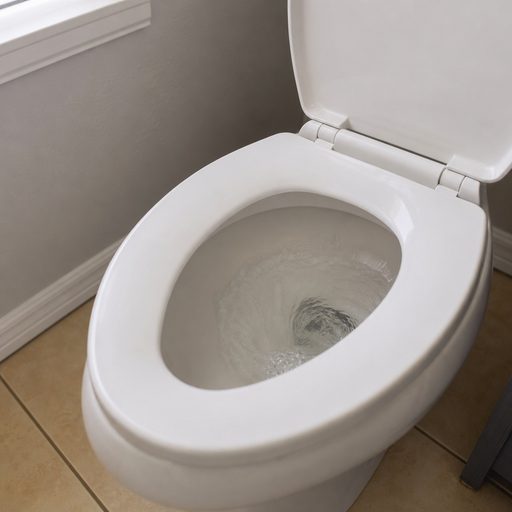
Before you reach for a plunger, your priority is to keep the bowl from spilling over. If you have already flushed and the water is climbing toward the rim, resist the urge to flush again, because a second flush simply sends more water into a bowl that cannot drain. Instead, take quick action to cut off the water filling the bowl, then let the level settle before you begin working on the clog. A calm, controlled start makes the rest of the job far cleaner and easier.
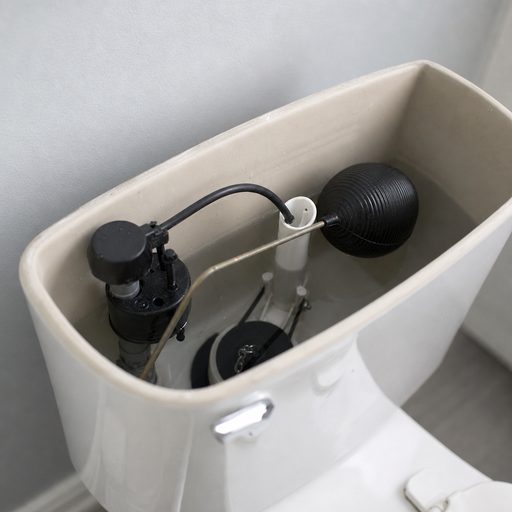
- Remove the tank lid and push the flapper down by hand to stop water from running into the bowl.
- Reach behind the base of the toilet and turn the shutoff valve clockwise to cut off the water supply entirely.
- Wait a few minutes and let the water level in the bowl drop on its own before you start plunging.
- If the bowl is very full, bail some water into a bucket so it does not splash out while you work.
- Lay down old towels around the base to catch any spills and protect the floor.
Use the Right Plunger and Technique
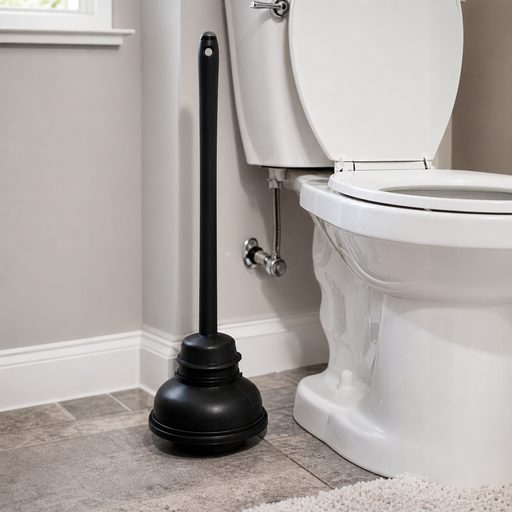
Plunging works far better when you use a flange plunger, the kind with a soft rubber flap that folds out from the cup, because it is shaped to seal the toilet drain rather than a flat sink opening. Fit the flange into the bottom of the bowl and make sure there is enough water to fully cover the plunger head, since you want to push water, not air, against the clog. Start with a gentle first push to seat the cup and release trapped air, then pump firmly and steadily, keeping the seal intact, for ten to twenty thrusts before pulling up sharply to break the suction. Many stubborn clogs give way after a few cycles of patient, controlled plunging, so do not give up after a single try.
Never use chemical drain cleaners in a toilet
Chemical drain cleaners are not made for toilets. They rarely reach or clear the real blockage, they can crack the bowl with heat, and they create dangerous fumes and splash hazards, especially if you plunge afterward. They can also corrode your pipes over time. Stick to a plunger or a toilet auger, and call a professional for anything they cannot clear.
When Plunging Is Not Enough
If careful plunging does not clear the clog, the blockage may be deeper in the trap or the drain, where a plunger cannot reach. A toilet auger, sometimes called a closet auger, is the right next tool: it is a flexible cable with a protective sleeve designed to snake through the bowl and break up or pull back a clog without scratching the porcelain. Feed the cable in gently and crank it to work through the obstruction, then plunge again to confirm the line is clear. If you do not own an auger or are not comfortable using one, this is a reasonable point to bring in a professional rather than forcing the issue.
When to Call a Professional
Some clogs point to a problem larger than a single toilet. If plunging and an auger do not work, if the toilet clogs again and again, or if other drains gurgle or back up when you flush, the trouble may lie further down a shared drain or even the main sewer line, where homeowner tools cannot reach. In those cases, professional toilet repair and clogged drain service can locate and clear the blockage safely with the right equipment and check that nothing deeper is causing repeat clogs. If your toilet is also draining sluggishly or seems weak overall, our guide on why a toilet is not flushing properly can help you sort out the cause, and if it tends to keep running after the clog clears, our guide on why a toilet keeps running covers the simple tank checks worth making next.
Sources and further reading
These references support material safety, technical, consumer, or planning guidance in this article. Confirm property-specific requirements with the applicable authority and professional.