
Slab Leak Repair
Slab Leak Repair in New Hampshire
Slab Leak Repair across New Hampshire begins with the same useful question: Locate and confirm an under-slab line failure before choosing direct repair, rerouting, or broader piping work. State context can guide credential and permit checks, but it cannot diagnose a specific property.
Plumbing Advisors provides guidance and connection assistance. Independent providers perform the plumbing work and confirm availability, pricing, timing, and credentials.
On this pageOverview
 Plumbing Advisors Editorial TeamEditorial StandardsSource-Checked
Slab Leak Repair across New Hampshire
Slab Leak Repair across New Hampshire begins with the same useful question: Locate and confirm an under-slab line failure before choosing direct repair, rerouting, or broader piping work. State context can guide credential and permit checks, but it cannot diagnose a specific property.
Warm floors, cracks, or high bills can have other causes; slab access should follow leak localization.
When slab leak repair may fit
- You feel a warm spot on the floor
- Your water bill rose with no clear reason
- Flooring is damp, warped, or cracking
- You hear water running under the floor
Causes or scope drivers to inspect
- Corrosion in pipes beneath the slab
- Abrasion from pipes rubbing against concrete
- Shifting soil stressing the lines
- Poor installation or pipe materials
- High water pressure over time
Comparing a slab leak repair quote
For slab leak repair in New Hampshire, compare itemized quotes for the same inspected scope. Access, testing, equipment or parts, permits, restoration, and urgency can affect the final price.
Typical slab leak repair costs
| Project | Typical cost range |
|---|---|
| Leak detection | $200–$800 |
| Epoxy pipe lining (trenchless) | $2,000–$10,000 |
| Breaking through the concrete slab | $600–$3,100 |
| Subfloor or flooring repair | $500–$4,500 |
Cost ranges are estimates developed from standardized project scopes and reviewed pricing inputs. Government labor and regional cost data are used where applicable. See our Pricing Methodology for the exact sources, calculations, and review date. Actual prices vary by property, scope, materials or equipment, location, and provider.
What affects the cost
- The repair method chosen, such as spot repair, rerouting, or epoxy lining
- Location of the leak and how accessible the affected line is
- The condition and length of the pipe involved
- Detection work needed to pinpoint the leak before any repair
- Whether the slab must be opened and later restored to reach the pipe
- Moisture or flooring damage that must be addressed alongside the repair
- Permits, where local code requires them for foundation-related work, and regional labor rates
State guidance for New Hampshire
For slab leak repair in New Hampshire, prepare foundation type, buried-line route, access, finished-surface restoration, and reroute options. Confirm the inspected scope, credentials, permits, inspections, exclusions, and restoration responsibility before authorizing work.
Credential verification
Plumbing in New Hampshire is regulated by the Mechanical Safety and Licensing Board within the Office of Professional Licensure and Certification (OPLC). For most plumbing work you should hire a state-licensed plumber, and you can confirm a license through OPLC before hiring.
The board issues Apprentice, Journeyman, and Master plumber licenses, with apprentices working under the supervision of a licensed master while completing required training and experience. It is reasonable to ask which license your plumber holds and to verify it with OPLC before work begins.
Permits and inspections
Permit and inspection requirements in New Hampshire are administered locally and vary by city and town. Many municipalities require a permit and inspection for plumbing work beyond minor fixture repairs, and the local building or code enforcement office is typically the authority that issues permits and signs off on the work. Always check with your town first.
What to expect
- 1Document the warning signs you have noticed
- 2Shut off water if an accessible leak is found
- 3Connect with a plumbing professional that services your area
- 4Have the slab leak located with specialized equipment
- 5Review repair options such as rerouting or spot repair
- 6Confirm the leak is resolved and moisture is addressed
Safe checks before the visit
- Check your water meter with all water off
- Note any warm spots or damp areas on the floor
- Listen for running water with fixtures off
- Do not break into the slab yourself
Slab Leak Repair by city in New Hampshire
Related plumbing problems
Slab Leak Repair in New Hampshire: FAQs
How do I prepare for slab leak repair in New Hampshire?
Document whether water use continues with fixtures off and where testing narrows the buried line path and prepare foundation type, buried-line route, access, finished-surface restoration, and reroute options. Ask the professional to confirm the inspected scope, credential, permit responsibility, and exclusions in writing.
Does New Hampshire guidance diagnose my slab leak repair problem?
No. State information helps with credential, permit, and planning questions. The cause, responsibility, and repair or project scope still need to be confirmed for the specific property.
What are the signs of a slab leak?
Warm spots on the floor, an unexplained rise in your water bill, damp or warped flooring, and the sound of running water with everything off are common signs. Our slab leak guide covers them in detail.
How is a slab leak repaired?
After locating the leak, options can include rerouting the line, a spot repair, or relining, depending on the situation. A professional will recommend the best approach after detection.
Why are slab leaks a big deal?
Because the leak is under the foundation, it can cause structural and moisture damage that is costly to repair if ignored. Addressing it early usually limits the damage.
Sources
These public and primary references support the state, safety, credential, permit, equipment, or efficiency guidance used here. They do not diagnose a specific property.
- U.S. EPA WaterSense - Home maintenance
- U.S. EPA WaterSense - Fix a Leak Week
- NH OPLC — Mechanical Safety and Licensing Board (plumber licensing)
- NH OPLC — Mechanical Safety and Licensing education & certification requirements
- NH Department of Environmental Services — Private Wells (testing, arsenic, radon)
- USGS — Radon and uranium in New Hampshire's groundwater
Slab Leak Repair guides
Learn before planning slab leak repair in New Hampshire.
Read related problem, scope, cost, and planning guidance before comparing options.
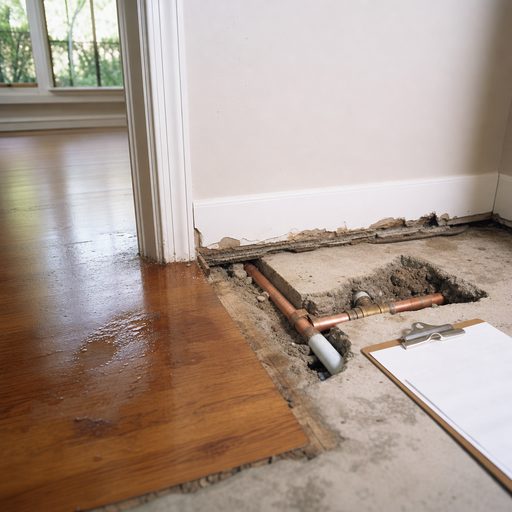
Does Homeowners Insurance Cover Slab Leak Repair?
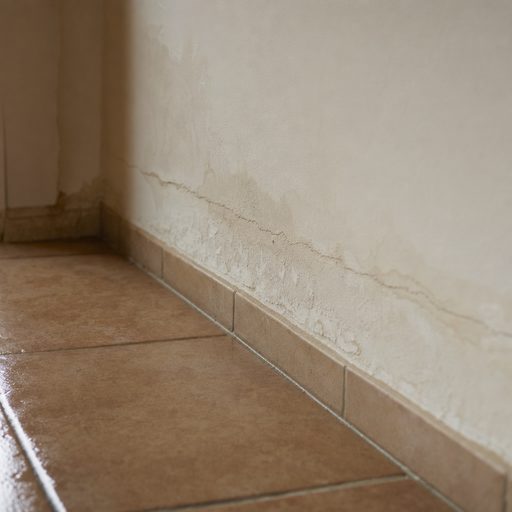
Why a Slab Leak Is an Emergency and the Risk of Waiting
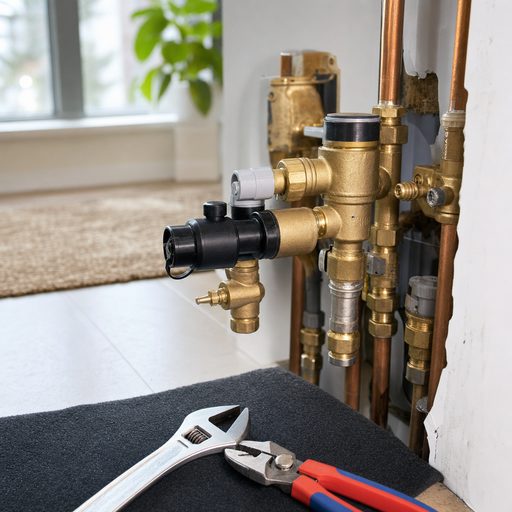
What Happens After a Leak Is Found
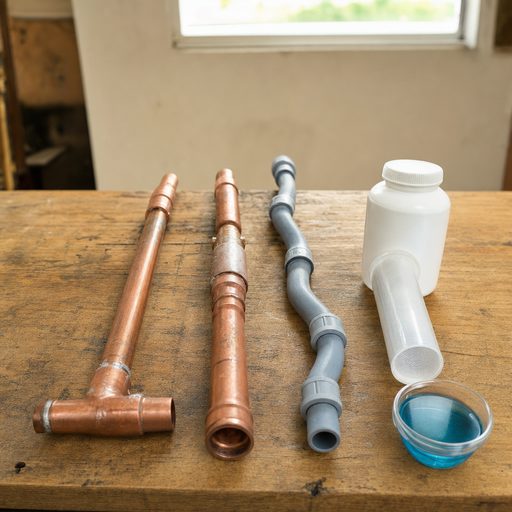
Slab Leak Repair Options: Spot Repair, Reroute, or Lining
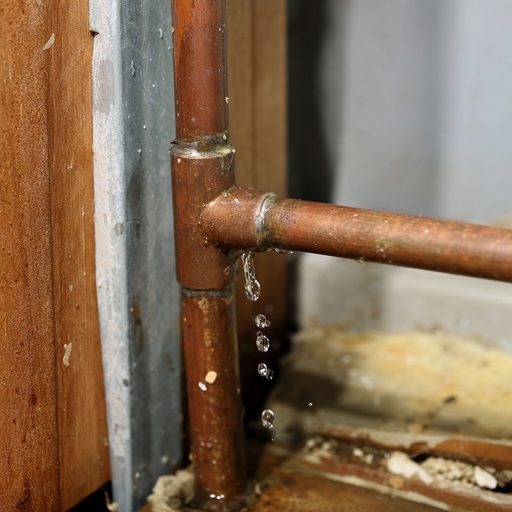
Supply-Line Leak vs. Drain Leak vs. Slab Leak
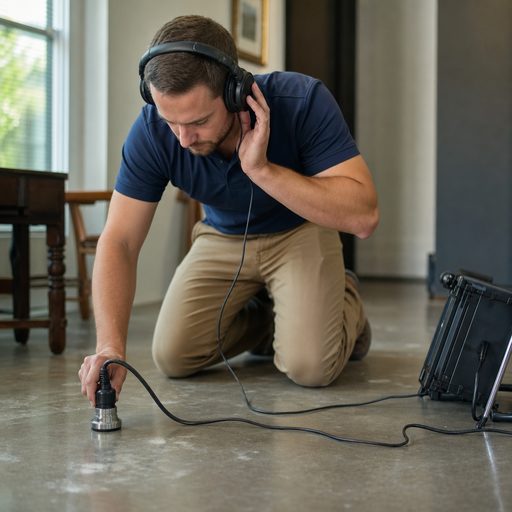
How Plumbers Locate a Slab Leak Before Digging
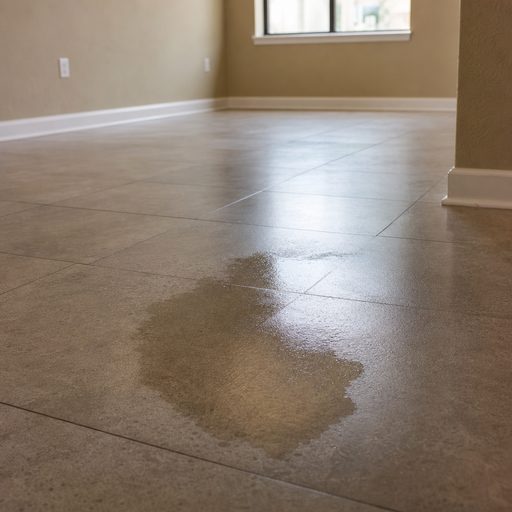
Signs You May Have a Slab Leak
Why Your Water Bill Suddenly Increased
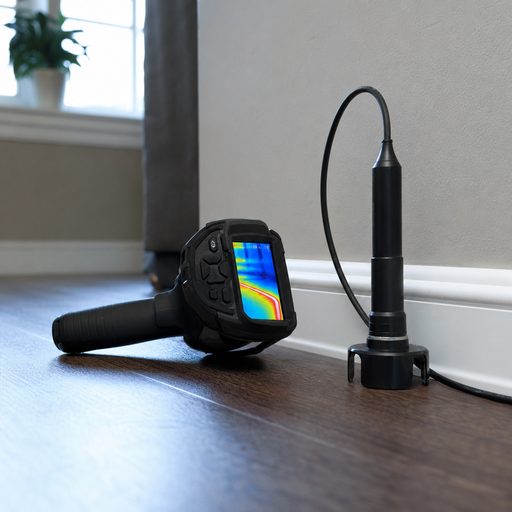
How Professional Leak Detection Works
Need Plumbing Help Now?
Call Plumbing Advisors to connect with help for leaks, drains, water heaters, sewer lines, burst pipes, toilets, faucets, and more.
No-obligation request · Availability varies by location and provider