 Plumbing Advisors Editorial TeamEditorial StandardsUpdated March 19, 2026Source-Checked
When a leak is hidden inside a wall or buried under a slab, the goal of a professional is to find it precisely without tearing your home apart to do so. Modern leak detection is less about guesswork and more about using the right tools to listen for, see, and isolate water that is escaping where you cannot reach it. Understanding the methods a plumber uses can take some of the mystery out of the process and help you appreciate why a careful diagnosis is worth far more than opening walls and hoping for the best.
It Starts With Confirming the Leak
Before any equipment comes out, a professional usually confirms that a leak actually exists and gets a rough sense of where it is. That often begins with a conversation about the symptoms you have noticed, a look at the obvious suspects, and a pressure check or meter reading to verify that water is escaping somewhere in the system. Isolating which part of the plumbing is losing water, the pressurized supply side or a drain line, helps narrow the search before the more specialized tools are brought in. This early step keeps the rest of the process focused and efficient.
The Tools That Pinpoint the Source
Once a leak is confirmed, professionals reach for equipment that lets them sense water through walls, floors, and concrete. Each tool works in a different way, and a plumber often combines several to cross-check the location before recommending that anything be opened up. The methods below are among the most common.
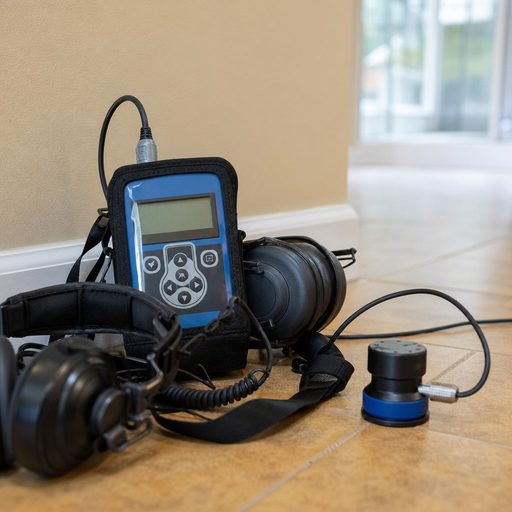
- Acoustic listening devices, which amplify the faint sound of water escaping a pressurized pipe so a leak can be traced to a specific spot.
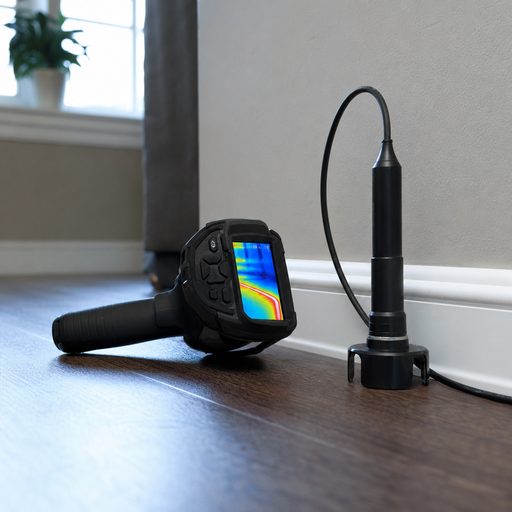
- Thermal imaging cameras, which reveal the temperature differences a leak creates, useful for spotting hot water lines or damp areas behind a surface.
- Moisture meters, which measure dampness in walls, floors, and framing to map how far moisture has spread from the source.
- Tracer gas, where a safe gas is introduced into the line and detected as it rises through the ground or structure at the leak point.
- Video pipe cameras, which can be fed into drain lines to look for cracks, breaks, or intrusions from the inside.
Non-invasive detection protects your home
The whole point of these tools is to find a leak with as little disruption as possible. Pinpointing the exact location means a plumber can open one small, targeted area rather than guessing across an entire wall or floor, which usually saves you money on both the repair and the cleanup.
From Detection to a Repair Plan
Locating the leak is only half the job. Once the source is pinpointed, a professional can explain what kind of leak it is, how accessible the failed section is, and what the repair will involve. A leak in an exposed supply line is a very different conversation from one beneath a concrete slab, and a clear diagnosis lets you weigh your options before any work begins. A good plumber will walk you through what they found and why, rather than simply starting to cut. That transparency is one of the biggest advantages of paying for proper detection.
When to Call a Professional
Leak detection genuinely calls for specialized equipment and an experienced ear, which is why it is not a do-it-yourself task once a leak is concealed. Leak detection service can locate the source without unnecessary demolition, and if the leak is under your foundation, slab leak repair can resolve it while protecting the slab. To understand what shapes the price of a visit, our guide on what professional leak detection costs breaks down the factors involved, and once the source is found, what happens after a leak is found explains the repair decisions that follow.
Sources and further reading
These references support material safety, technical, consumer, or planning guidance in this article. Confirm property-specific requirements with the applicable authority and professional.
- U.S. EPA WaterSense - Home maintenance
- U.S. EPA WaterSense - Fix a Leak Week
- MedlinePlus - Drain cleaner poisoning
- U.S. EPA - Household hazardous waste
- U.S. Department of Energy - Water heating
- U.S. Department of Energy - Water-heater selection guide
- Federal Trade Commission - Avoiding home-improvement scams