 Plumbing Advisors Editorial TeamEditorial StandardsUpdated June 9, 2026Source-Checked
It is tempting to put off dealing with a slab leak, especially when the signs are subtle and nothing has obviously broken. But a slab leak is one of the few plumbing problems that almost always grows worse the longer it is left alone, because the water never stops and it is working in the one place you cannot see or reach: under your foundation. Understanding what actually happens while a slab leak runs makes it clear why prompt attention is not an overreaction but the most cost-effective and protective choice you can make.
The Damage Builds Quietly
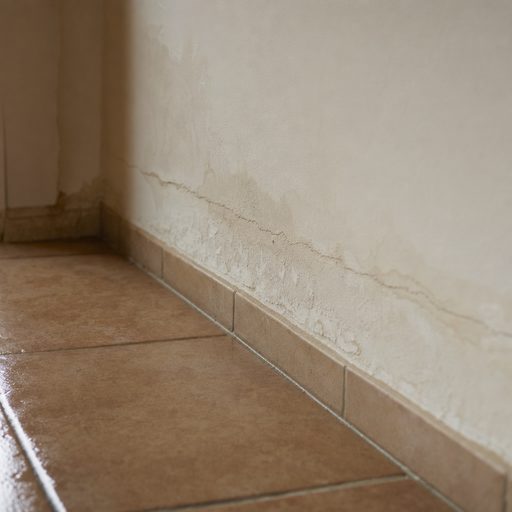
Unlike a burst pipe that floods a room in minutes, a slab leak does its harm gradually and out of sight. Water escaping under the slab can saturate the soil that supports your foundation, wash fine material away, and contribute to movement or settling over time. Inside, that same moisture can travel into flooring and the base of walls, encouraging mold and weakening materials long before you notice a stain. Because none of this is visible at first, it is easy to underestimate, which is exactly what makes a slow slab leak so costly when it is finally addressed late.
What Waiting Can Lead To
The consequences of leaving a slab leak unaddressed tend to compound on one another, turning a contained pipe problem into a much broader repair. The points below are the most common ways waiting raises both the difficulty and the cost of putting things right.
- Higher water bills, month after month, as water runs continuously beneath the home.
- Foundation movement or settling as saturated soil shifts and loses support.
- Warped, buckled, or ruined flooring that may need replacement on top of the plumbing repair.
- Mold and mildew taking hold near floor level, which can affect indoor air and require remediation.
- Damage to walls, baseboards, and framing as moisture spreads outward from the source.
- A simple spot repair growing into a larger reroute or more extensive restoration as the affected area widens.
What You Can Safely Do Right Now
If you suspect a slab leak but cannot get a professional out immediately, there are a few safe steps that help limit the damage in the meantime. You can shut off the water at the main valve when you do not need it, which stops the leak from running around the clock. Running a meter test confirms that water is escaping and gives a professional useful information when they arrive. You can also keep an eye on the affected area and move belongings away from any dampness. What you should never do is try to open the slab yourself to investigate or fix the leak.
Never break into your slab to chase a leak
Locating and repairing a slab leak requires specialized detection equipment and professional expertise. Do not attempt to break into or excavate your foundation on your own, as you risk serious structural damage and personal injury. Shut off the water if needed and contact a professional to find and repair the leak safely.
When to Call a Professional
Because the damage from a slab leak compounds with every day it runs, this is a problem worth acting on promptly rather than monitoring indefinitely. Leak detection services can confirm and pinpoint the leak quickly, and slab leak repair can resolve it before the surrounding soil, flooring, and structure suffer further. Catching it early almost always means a smaller, less expensive repair. If you are not yet certain what you are dealing with, our guide on the early warning signs of a slab leak can help you recognize the clues, and our overview of slab leak repair costs explains why prompt action tends to keep the price down.
Sources and further reading
These references support material safety, technical, consumer, or planning guidance in this article. Confirm property-specific requirements with the applicable authority and professional.