 Plumbing Advisors Editorial TeamEditorial StandardsUpdated July 5, 2026Source-Checked
Sometimes. Homeowners insurance may cover damage from a slab leak if the leak was sudden and accidental, but many policies do not pay to fix the failed pipe itself. In many claims, access and tear-out to reach the leak are covered while long-term or neglected damage is excluded. The exact answer depends on the cause, timing, and policy language.
What does insurance usually cover with a slab leak?
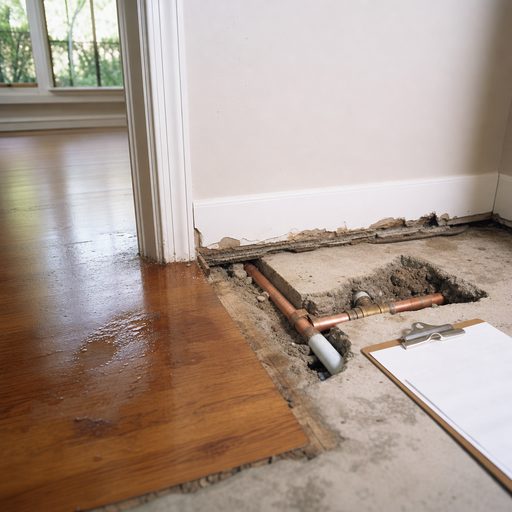
A slab leak is a water leak from piping beneath a home’s concrete foundation. Insurance often separates the resulting water damage from the plumbing failure that caused it. If water from a hidden pipe suddenly damages flooring, drywall, cabinets, or other covered parts of the home, the policy may help with those repairs. Many policies also include tear-out or access coverage, meaning removal of flooring or part of the slab needed to reach the broken line may be covered when the leak itself is from a covered cause.
What is often not covered is the pipe repair itself. In plain terms, the insurer may pay to open the area and restore covered damage, but not to replace the failed section of pipe. Coverage can also depend on whether the line serves the home, how the leak happened, and whether damage developed over time. If you are already dealing with active water, homeowners often arrange Leak Detection first so the source, location, and likely cause can be documented clearly for the claim.
When is a slab leak not covered by insurance?
Many denied claims involve gradual damage rather than a sudden event. If the insurer believes the leak existed for a long time, caused slow deterioration, or should have been noticed earlier, coverage may be limited or denied. Policies commonly exclude wear and tear, corrosion, rust, repeated seepage, settling-related damage, poor workmanship, or maintenance issues. That matters because many slab leaks begin as small pinhole leaks or pipe failures that worsen slowly under the foundation before visible symptoms appear inside the house.
This is why timing and evidence matter. If you have warm spots on the floor, unexplained moisture, running-water sounds, or a water bill increase, compare what you are seeing with Signs You May Have a Slab Leak and act quickly. Waiting can make it harder to show that the loss was sudden. It can also increase damage to flooring, baseboards, and walls, which may create disputes over what was caused by the leak versus what resulted from delayed response.
Why do sudden versus gradual leaks matter so much?
Insurance is generally designed for sudden and accidental losses, not ongoing maintenance problems. With slab leaks, that distinction is often the center of the claim. A pipe that cracks unexpectedly and releases water over a short period is more likely to be viewed as a covered event. A pipe that slowly leaks beneath the slab for weeks or months can look more like hidden deterioration, even if you did not know it was happening.
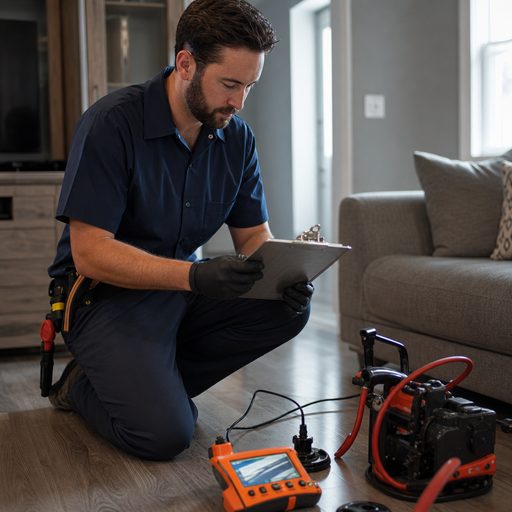
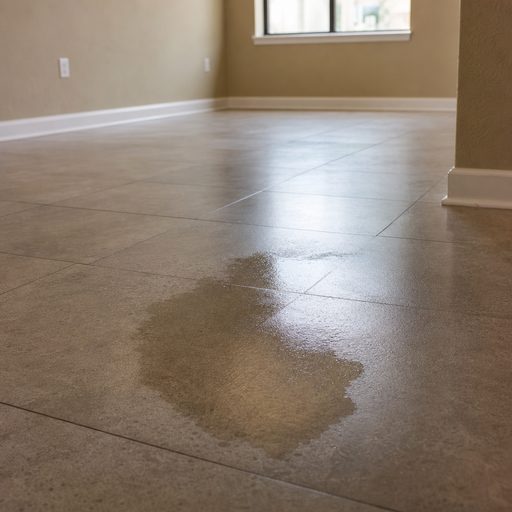
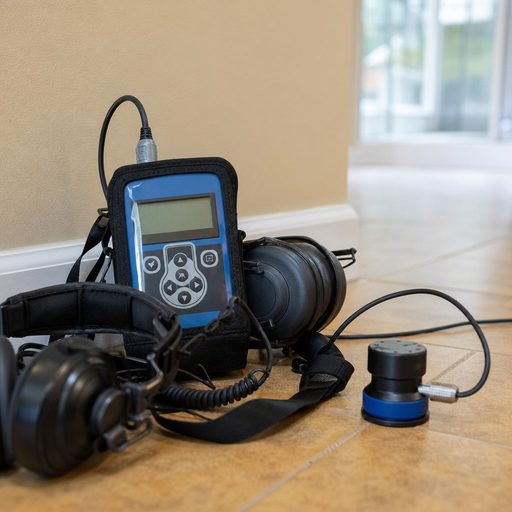
Because slab leaks are difficult to see, documentation helps. A professional report from Leak Detection can identify the leak location, whether there may be more than one leak, and signs that suggest a recent break versus long-term seepage. Photos of wet flooring, warped materials, or water pooling, along with a record of when you first noticed the issue, can strengthen your file. If repairs are needed, Slab Leak Repair professionals can often provide written findings that support the sequence of events for the adjuster.
- Sudden break with interior water damage is more likely to be covered than slow seepage over time.
- Tear-out to reach the pipe may be covered even when the pipe repair itself is not.
- Damage from neglect, deferred maintenance, corrosion, or repeated leakage is commonly excluded.
- Clear leak-location reports, photos, and timeline notes can help support a claim.
What should you do before and during a slab leak claim?
First, take reasonable steps to limit further damage. Shut off the home’s main water supply if water is actively causing damage, and move belongings away from wet areas if it is safe to do so. Then notify your insurer promptly and ask specifically about water damage coverage, tear-out coverage, and what documentation they want before repairs begin. Policies often require timely notice, and delays can complicate the claim.
Next, gather evidence in an organized way. Take photos and video of visible damage, note when symptoms started, and save any plumber or leak detection reports. If the insurer asks for estimates, keep them detailed and separated by category when possible: leak location, access work, pipe repair, and restoration. If you are trying to understand the repair side, How Much Does Slab Leak Repair Cost? explains the common factors, and What Does Professional Leak Detection Cost? covers the variables that affect locating the leak.
Ask one key policy question
When you speak with your insurer, ask whether the policy covers access or tear-out to reach a plumbing leak under the slab. That single detail often makes a major difference in what portion of the loss is reimbursable.
How can homeowners avoid claim problems?
The biggest mistake is assuming every hidden leak is automatically covered. With slab leaks, adjusters often look closely at maintenance history, water-usage patterns, and visible warning signs. If you ignored unexplained damp flooring, moldy smells, hot spots, or reduced water pressure for a long period, the insurer may argue the damage was ongoing. Fast action shows you tried to prevent further loss rather than allowing conditions to worsen.
It also helps to understand that insurance and repair decisions are related but separate. Even if the claim covers some damage, you still need the right repair method for the plumbing problem, whether that ends up being a spot repair, reroute, or another approach appropriate to the pipe condition and layout. Keeping the claim file complete, following the adjuster’s instructions, and getting professional findings early usually leads to fewer surprises than waiting until damage spreads.
Will insurance pay to repipe the whole house after one slab leak?
Usually not unless the policy and the facts strongly support broader covered damage. Insurance often focuses on the specific covered loss, not an elective system upgrade. If the plumbing has widespread age-related problems, a full repipe may be recommended for reliability, but that does not mean the entire project is part of the claim.
Can I start repairs before the adjuster comes out?
You can usually take reasonable steps to prevent more damage, such as stopping active water and protecting belongings, but keep strong documentation first. Before major demolition or permanent repairs, contact the insurer and ask what they need. Photos, videos, and written findings from Leak Detection are especially helpful if quick action is necessary.
Does a high water bill help prove a slab leak claim?
It can support your timeline, but by itself it does not prove coverage. A higher bill may show water loss began before visible damage appeared, which can be useful alongside photos, plumber findings, and notes about when you first noticed symptoms. Insurers still look at cause, policy exclusions, and whether the damage appears sudden or gradual.
If the pipe itself is excluded, is filing a claim still worth it?
It may be, because the expensive part of a slab leak loss is not always the pipe. Floor removal, slab access, drying, and repair of covered water damage can be significant parts of the overall work. Ask the insurer to explain coverage for tear-out, restoration, and any limits that apply before deciding how to proceed.
Sources and further reading
These references support material safety, technical, consumer, or planning guidance in this article. Confirm property-specific requirements with the applicable authority and professional.