 Plumbing Advisors Editorial TeamEditorial StandardsUpdated July 5, 2026Source-Checked
Not all leaks are created equal—where a leak occurs in your plumbing system dramatically affects its urgency, symptoms, and the repair process ahead. Supply-line leaks, drain leaks, and slab leaks each leave a signature set of clues. Knowing the differences helps you describe the problem accurately, prioritize repairs, and understand what to expect when a professional plumber investigates.
What Are Supply-Line Leaks and Why Are They Urgent?
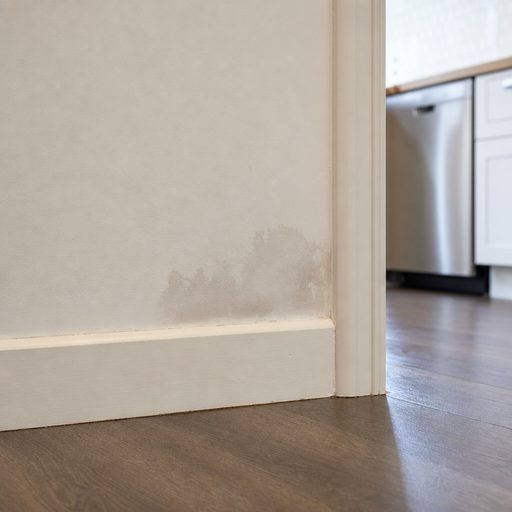
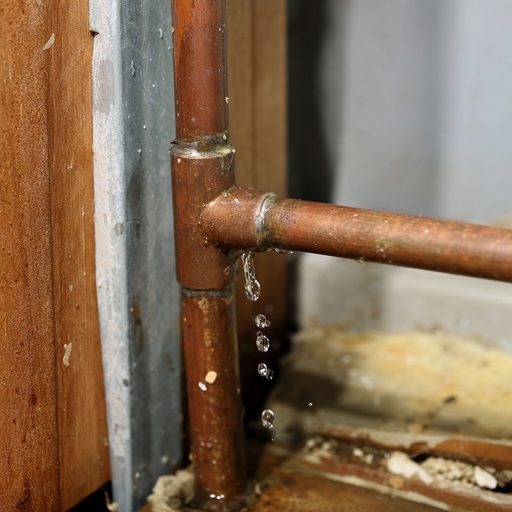
A supply-line leak involves the pipes that bring clean, pressurized water into your faucets, toilets, and appliances. Because these lines remain under constant pressure from your municipal supply or private well, any breach results in continuous water loss—day or night, regardless of fixture usage. The strong pressure can turn a minor crack into a gusher or a slow spray that quickly damages walls, floors, and cabinetry. If you notice an unexplained uptick in your water bill, damp patches growing larger by the hour, or the sound of hissing water inside walls, think supply-line first.
Key components commonly involved in supply-line leaks include angle stops (shut-off valves under sinks and toilets), braided stainless supply hoses, and the copper, PEX, or CPVC tubing hidden in walls and floors. Brands such as SharkBite or Sioux Chief produce popular connectors and fittings found in many modern homes. Because these pipes are pressurized, a leak can rapidly compromise drywall, flooring, and adjacent rooms—making prompt professional intervention essential.
- Water damage appears quickly and worsens with time, even when no one is using water.
- You may experience a noticeable drop in fixture water pressure if the leak is substantial.
- Shut-off valves, flexible supply hoses, or hidden in-wall pipes can all be potential sources.
How Do Drain Leaks Behave Differently?
Drain lines carry wastewater away from your sinks, showers, tubs, and toilets, relying solely on gravity rather than pressure. This means water only enters these pipes when a fixture is in use. As a result, drain leaks generally don’t cause ongoing damage at all hours. Instead, you may spot puddles or dripping during or shortly after someone showers, empties a bath, or uses a sink. A particularly telling sign is a musty smell in the cabinet under a sink, or stains on a ceiling or wall directly below an upstairs bath or laundry.
Common parts where drain leaks occur include slip joint connections under sinks, P-traps, wax rings under toilets, or the gasket beneath a shower drain. Moen, Kohler, and Delta manufacture many of these fixtures, while Fernco is a noted maker of flexible couplings and seals found in many homes. Unlike supply leaks, drain leaks pose less immediate flood risk but can lead to extensive rot, mold, and even structural issues if left unaddressed over time.
- Leaking appears most often immediately after using a fixture, rarely at other times.
- Typical sources: P-traps, slip joints, wax rings, or overflows.
- Drain water often smells musty or foul compared to fresh-supply leaks.
What Makes Slab Leaks Special—and Risky?
A slab leak occurs in pipes that run beneath your home’s concrete foundation. Most often, these are supply lines—either hot or cold—though older homes with under-slab branch drains can develop drain leaks as well. Because these pipes are encased in, or run beneath, solid concrete, leaking water slowly migrates into the slab and up through floors or adjacent walls. Warning signs include warm spots from leaking hot water lines, perpetual dampness on otherwise dry floors, unexplained cracks in walls or flooring, and warped or squishy flooring unrelated to spills or appliance leaks.
Key parts at risk here are copper supply pipes (which corrode over decades), PVC, or older galvanized steel pipes hidden beneath the slab. Hot water lines are especially prone to slab leaks due to constant thermal expansion and contraction. Detection and repair require specialized leak detection equipment—such as acoustic sensors, thermal imaging, or tracer gas—and specialized knowledge to avoid unnecessary demolition. Prompt professional action is critical to prevent property damage or major foundation issues.
Flooring Clues Point to Hidden Leaks
If you notice warm spots, new unexplained cracks, or stained floor coverings with no evident plumbing above, consider the possibility of a slab leak, especially in homes with copper or steel under-slab pipes. Early detection can minimize repairs and property disruption.
How Pros Diagnose: What to Expect During an Inspection
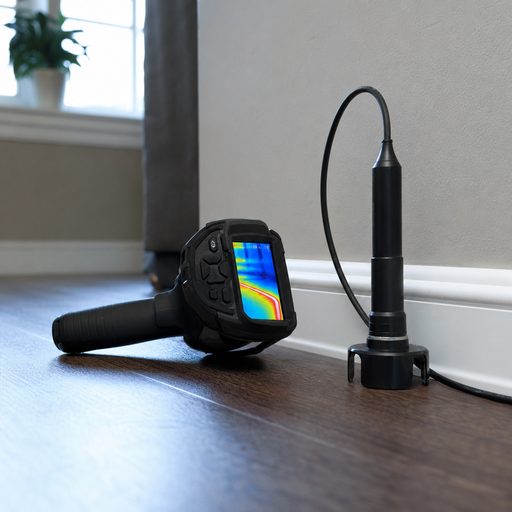
Professional plumbers use a methodical process to determine the type and exact location of a leak. For supply-line leaks, they may check water meters for unaccounted flow with all fixtures shut off, use moisture meters to find dampness behind walls, and employ thermal cameras to spot hot water leaks. Drain leak detection often involves running water through individual fixtures while checking below for drips, or using video cameras inside pipes to spot cracks and loose connections.
For suspected slab leaks, advanced electronic leak detection plays a vital role. This equipment listens for the subtle hiss of escaping water, traces temperature differences, or introduces a harmless tracer gas to follow its path up from beneath the slab. These techniques allow pinpoint repair, minimizing disruption compared to traditional ‘search and destroy’ approaches. For an in-depth look at the tools and techniques involved, see how professional leak detection works.
- Meter tests confirm supply leaks by detecting flow with all fixtures off.
- Consistent dripping only during use points toward a drain leak.
- Infrared cameras and acoustic sensors help locate slab and hidden leaks.
What Drives the Repair Approach and Urgency?
The type of leak dictates how urgently you should act and what repair steps a pro will recommend. Supply-line leaks, due to their pressure and potential for rapid property damage, require immediate intervention and water shutoff. Drain leaks may be less urgent, especially those that manifest as slow drips, but fixing them promptly still prevents mold, rot, and hidden structural damage. Slab leaks, unique in their ability to undermine your foundation, combine the urgency of supply leaks with added complexity—special equipment and experience ensure repairs are effective and minimally invasive.
For supply leaks, pipe repair typically involves shutting off the affected branch, opening walls or cabinets, and replacing or repairing the section of copper, PEX, or CPVC pipe involved. Common repairs include swapping damaged supply tubes, upgrading aging shut-off valves, or re-soldering or crimping lines. For drain leaks, solutions may range from tightening a slip-joint nut (with code-compliant trap materials), replacing a failed wax ring under a toilet, or, for hidden or cracked pipes, cutting open walls, ceilings, or flooring to access and replace damaged PVC or ABS segments.
Building Codes May Affect Your Repair
Local plumbing codes govern how repairs are done, including the types of pipe and fittings allowed, support for P-traps, and methods for patching or rerouting under-slab piping. Always confirm local code requirements to ensure repairs are safe and compliant.
Which Leak Is Most Likely In Your Home?
Supply-line leaks most commonly occur in homes with old, corroded copper pipes, outdated shut-off valves, or braided hoses past their prime. Fixtures that have been recently installed or moved are also at risk if connections weren’t tightened properly. Drain leaks arise after years of vibration, improper installation, or failure of flexible seals—often beneath high-use sinks or bathtubs. Wax rings under toilets can fail, especially after a toilet is replaced or jostled, resulting in hidden leaks with every flush.
Slab leaks are a particular risk in homes built on a concrete slab with original copper or galvanized steel pipes. Over decades, minor electrolysis, shifting soil, and thermal expansion work to thin the pipe walls. If your floors feel hot, develop unexplained moisture, or you hear water running with every fixture off, call for professional leak detection before cosmetic or foundation damage sets in. For more on subtle early symptoms, review our guide subtle signs of a hidden water leak most people miss.
- Older homes with copper or steel under-slab pipes: higher risk of slab leaks.
- Frequent fixture use increases likelihood of drain line wear and joint failure.
- Aging or flexible supply connectors may fail at any time, especially during temperature shifts.
Prevention and Maintenance: Keep Leaks at Bay
While not all leaks can be prevented, periodic inspection and targeted maintenance extend the life of your plumbing and catch problems early. Check under sinks for evidence of moisture, water staining, or mushy cabinet floors, particularly after heavy fixture use. Inspect supply hoses to appliances and fixtures for blisters, kinks, or corrosion—brands like Watts or Fluidmaster offer high-quality replacements listed to plumbing standards. Listen for subtle sounds of dripping, hissing, or hammering in walls that suggest hidden trouble.
Many insurance policies do not cover long-running water damage due to neglected maintenance. Replacing flexible supply hoses every 5-7 years, confirming shut-off valves operate smoothly, and periodic self-checks — plus professional leak detection when symptoms appear — can prevent many emergencies. For slab-built homes, maintaining stable soil moisture around the foundation and avoiding heavy landscaping against exterior walls also lowers slab leak risks. For help with stubborn or hidden issues, leak detection and pipe repair pros can guide you on best practices and next steps.
Understanding What Drives Leak Repair Costs
The cost of fixing a leak depends more on where the leak is and how accessible it is than the pipe size or length. Supply-line leaks behind finished walls or under floors often require demo and later restoration, adding to labor. Drain leaks are typically easier to access, especially under sinks, but fixing a buried or hidden joint may require significant drywall or floor removal. For slab leaks, cost is affected by the need for specialized detection equipment, access through concrete, and rerouting if the pipe is extensively damaged or corroded.
Premium parts—such as lead-free brass shutoff valves from Watts, high-grade stainless supply hoses, or lifetime-rated PEX connections—may increase material quality but also modestly affect cost. Other drivers include whether you need emergency, after-hours response, the extent of water damage, building code requirements for repairs, and whether or not your insurance covers access or restoration. For detailed breakdowns, see the related cost guide.
How do I tell if a leak is from a supply line or a drain?
Supply leaks cause damage even when no fixture is turned on, often involve steady hissing or spraying, and will be detected on your meter with fixtures shut off. Drain leaks only appear after using a fixture—like running a sink or flushing a toilet—and the damage then dries out between uses.
Are slab leaks always in the hot water lines?
No, slab leaks can affect either hot or cold supply lines. However, hot water lines under the slab tend to leak more often due to repeated expansion and contraction. Clues like warm floors more often point to a hot water slab leak.
Can I fix a drain leak under my sink myself?
Homeowners can sometimes tighten loose slip-nuts or replace P-traps under sinks. However, if the leak persists, involves waste exposure, or if you’re unsure about pipe materials or code, call for professional pipe repair to prevent further damage and ensure safe plumbing.
Does home insurance cover slab leak detection and repair?
Policies vary, but many insurers only cover sudden, accidental leaks—not slow leaks from longstanding corrosion or neglect. They may pay for water damage but not the plumbing repair itself. Always check your policy and consult a pro for documentation.
How can professional leak detection help me avoid unnecessary repairs?
Leak detection services use specialized tools to locate leaks precisely, even behind walls or under slabs. This allows targeted repair, minimizing the areas that need opening up. It helps avoid guessing, unnecessary demolition, and ensures you only repair what's necessary.
Sources and further reading
These references support material safety, technical, consumer, or planning guidance in this article. Confirm property-specific requirements with the applicable authority and professional.