 Plumbing Advisors Editorial TeamEditorial StandardsUpdated May 30, 2026Source-Checked
Once a slab leak has been located, the next question is how to fix it, and there is rarely a single right answer. The best approach depends on where the leak is, the condition of the rest of the plumbing, and how disruptive each option would be for your home. A good professional will explain the trade-offs rather than defaulting to one method for every job. Knowing the main options ahead of time helps you take part in that conversation and understand why a plumber might recommend one path over another.
Spot Repair
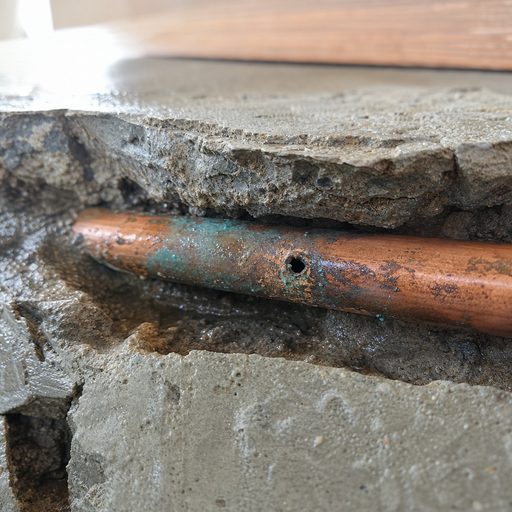
A spot repair targets the single failed section of pipe. Once the leak has been pinpointed, the plumber accesses just that area, repairs or replaces the damaged length, and restores the surface above. The appeal of a spot repair is that it is the most contained option when the rest of the plumbing is in good shape and only one isolated spot has failed. It tends to be the least involved approach for a one-off leak. Its limitation is that it only addresses the spot that has already failed; if the underlying cause is widespread corrosion or aging pipe, other sections may leak later, and a series of spot repairs can add up.
Rerouting the Line
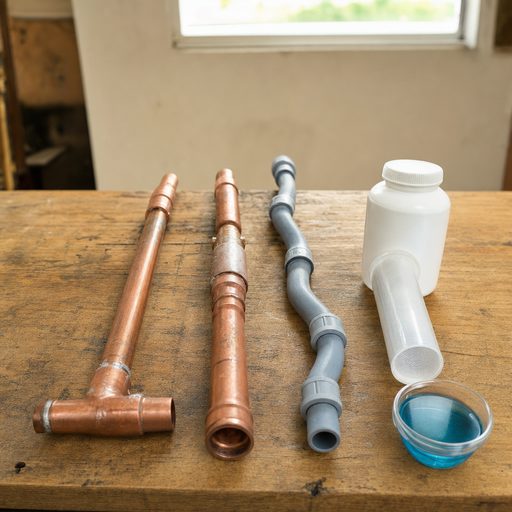
Rerouting, sometimes called a reroute or a pipe bypass, abandons the failed section under the slab and runs a new line for that run through the walls or overhead instead, leaving the old pipe in place but no longer in use. This approach is often considered when reaching the leak directly would be especially disruptive, or when a particular line has given trouble before. Because the new line no longer sits under the concrete, that stretch is easier to access for any future service. The trade-off is that rerouting is a larger job than a single spot repair and involves new pipe runs and the wall or ceiling work to conceal them.
Epoxy Pipe Lining
Epoxy lining, a trenchless method, restores a pipe from the inside rather than replacing it. After the line is cleaned, an epoxy coating or liner is applied within the existing pipe to seal it and form a new interior surface, without digging out the full length. Its main advantage is that it can renew a run of pipe with less demolition than fully replacing it. Whether lining is suitable depends on the condition, layout, and material of your specific pipes, which is something only a professional can assess in person after inspecting the line. It is one tool among several, not a universal answer.
How the Right Option Is Chosen
Choosing among these methods comes down to matching the fix to the situation. A plumber weighs several factors before recommending an approach, and the considerations below are the ones that usually tip the decision one way or another.
- How many leaks there are and whether the rest of the plumbing is sound or aging.
- Where the leak sits and how much flooring or finish would be disturbed to reach it.
- The age, material, and overall condition of the existing pipes.
- Whether the same line has leaked before, which may favor rerouting it out from under the slab.
- Your priorities, including how much disruption, long-term durability, and cost matter to you.
- What the detection and inspection actually reveal about the pipe in question.
Ask for the trade-offs, not just a recommendation
When a plumber proposes a repair method, ask why it fits your situation and what the alternatives would involve. A professional who can explain why a spot repair, reroute, or lining is the better call for your home is giving you the information you need to choose with confidence.
When to Call a Professional
Deciding between these options, and carrying any of them out, is professional work that should never involve a homeowner breaking into the slab. Slab leak repair specialists can recommend the approach that fits your home, and pipe repair services can address related weak points uncovered along the way. The right method always depends on an accurate diagnosis, so leak detection comes first. To understand that step, see our guide on how plumbers locate a slab leak before digging, and to learn why these leaks happen and whether more may follow, our look at what causes slab leaks under a foundation puts the repair choice in context.
Sources and further reading
These references support material safety, technical, consumer, or planning guidance in this article. Confirm property-specific requirements with the applicable authority and professional.