 Plumbing Advisors Editorial TeamEditorial StandardsReviewed July 19, 2026Source-Checked
The short answer
What this problem usually points to
Do not touch the water, outlet, appliance, or panel and do not enter standing water. Leave the affected area and contact emergency services or the electric utility when there is sparking, smoke, fire, or immediate danger; the plumbing source can be addressed only after the electrical hazard is controlled.
Keep away from the hazard and act now
Electrical contact, contaminated wastewater, or another immediate safety hazard takes priority over ordinary plumbing troubleshooting.
What the visible pattern can mean
These are routing clues, not a confirmed diagnosis. The safe next step changes with where the water appears, which fixtures are affected, and whether the problem is active.
| What you notice | What it may mean | Safe next step |
|---|---|---|
| Water is dripping near an outlet or light | A concealed leak may be contacting energized wiring | Keep clear and do not operate nearby switches |
| Standing water surrounds an appliance, pump, or panel | The water may be energized | Do not enter the water or touch connected equipment |
| There is sparking, smoke, heat, or a burning odor | An active electrical emergency may be present | Leave the area and contact emergency services |
Safe checks and important limits
Safe checks you can make
- Keep everyone away from the affected area.
- Call from a dry, safe location and describe both the water source and electrical equipment.
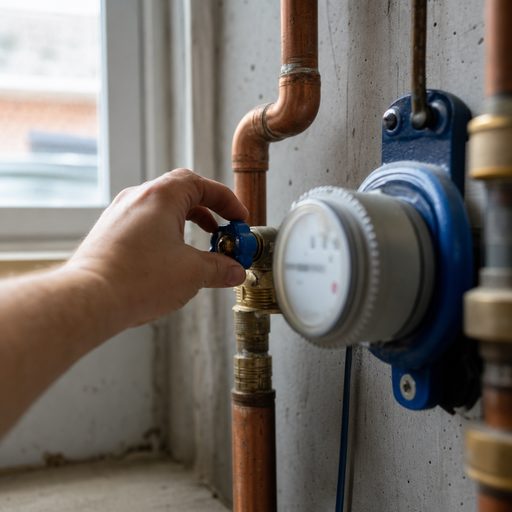
- Shut off water only if the route and valve are completely dry and safely accessible.
Stop before these steps
- Do not touch a wet breaker panel, outlet, switch, appliance, cord, or pump.
- Do not enter standing water to reach a shutoff or unplug equipment.
When to call a plumber
- Contact emergency services or the electric utility for sparking, smoke, fire, or immediate danger.
- Arrange plumbing repair after the electrical hazard has been isolated or cleared.
Recommended services
Where to start
Start with the first service below. A plumber can confirm whether a related service is needed after inspecting the problem.

Questions homeowners ask
Frequently asked questions
Is water is near electrical equipment an emergency?
Keep away from the hazard and act now. Electrical contact, contaminated wastewater, or another immediate safety hazard takes priority over ordinary plumbing troubleshooting.
What can I check safely before a plumber arrives?
Keep everyone away from the affected area. Call from a dry, safe location and describe both the water source and electrical equipment. Stop if the situation changes or the check would require opening a wall, drain, appliance, or powered component.
Which plumbing service should I request?
Emergency Plumbing is the best starting point for this visible symptom. A plumbing professional still needs to inspect the system before confirming the cause or repair.
What should I tell the plumber?
Share when the problem started, whether it is constant or intermittent, which fixtures are affected, and any water, odor, noise, temperature change, or recent plumbing work you noticed.
Sources and further reading
These references support the safety and system guidance used to route this observable plumbing problem. They do not diagnose a specific property.