
Leak Detection
Leak Detection in Ohio
For leak detection in Ohio, start by documenting whether the meter, stain, sound, pressure, or moisture pattern changes when fixtures are isolated. A professional should confirm the property-specific cause, scope, credentials, and applicable local requirements before work begins.
Plumbing Advisors provides guidance and connection assistance. Independent providers perform the plumbing work and confirm availability, pricing, timing, and credentials.
On this pageOverview
 Plumbing Advisors Editorial TeamEditorial StandardsSource-Checked
Leak Detection across Ohio
For leak detection in Ohio, start by documenting whether the meter, stain, sound, pressure, or moisture pattern changes when fixtures are isolated. A professional should confirm the property-specific cause, scope, credentials, and applicable local requirements before work begins.
Moisture location does not prove the leak source; destructive access should follow testing and localization.
When leak detection may fit
- Your water bill rose without a clear reason
- You see stains, bubbling paint, or warped flooring
- You hear running water with everything off
- There is a musty smell or unexplained dampness
Causes or scope drivers to inspect
- Pinhole leaks in aging pipes
- Failed seals or connections inside walls
- Slab leaks in lines beneath the foundation
- Leaking supply lines to fixtures or appliances
- Corrosion in older plumbing systems
Comparing a leak detection quote
For leak detection in Ohio, compare itemized quotes for the same inspected scope. Access, testing, equipment or parts, permits, restoration, and urgency can affect the final price.
Typical leak detection costs
| Project | Typical cost range |
|---|---|
| Electronic / acoustic leak detection | $200–$650 |
| Slab leak location | $320–$970 |
| Camera / video pipe inspection | $215–$720 |
| Thermal (infrared) imaging | $190–$630 |
| Complex or multi-system detection | $520–$1,675 |
Service-call fees
| Service | Typical cost range |
|---|---|
| Leak detection service call / diagnostic | $125–$410 per visit |
Hourly labor rates
| Labor | Typical cost range |
|---|---|
| After-hours / emergency detection | $165–$430 per hour |
Cost ranges are estimates developed from standardized project scopes and reviewed pricing inputs. Government labor and regional cost data are used where applicable. See our Pricing Methodology for the exact sources, calculations, and review date. Actual prices vary by property, scope, materials or equipment, location, and provider.
What affects the cost
- How accessible the suspected leak location is
- Whether the leak is in a supply line, drain, or under a slab
- The detection methods and equipment the leak requires
- How widespread the moisture or damage has become
- Whether the home has finished walls, floors, or a slab to work around
- After-hours or emergency timing for a fast-spreading leak
- Local labor rates in your area
State guidance for Ohio
For leak detection in Ohio, prepare access to shutoffs, meter, fixtures, walls, ceilings, floors, and any buried-line route. Confirm the inspected scope, credentials, permits, inspections, exclusions, and restoration responsibility before authorizing work.
Credential verification
Commercial plumbing contractors are licensed statewide by the Ohio Construction Industry Licensing Board (OCILB), part of the Division of Industrial Compliance within the Ohio Department of Commerce. The state-issued Commercial Plumbing Contractor license generally requires several years of trade experience and passing the OCILB exams, and you can confirm a license on the OCILB eLicense Center.
Ohio does not issue statewide journeyman or master plumber licenses, and residential plumbing requirements are set by local building and county health departments. Because rules vary by jurisdiction, ask which local registrations or licenses a plumber holds and check with your city or county before residential work begins.
Permits and inspections
Plumbing permit and inspection requirements in Ohio are set locally and vary by city and county, with the local building department or county health district acting as the authority having jurisdiction. Home-rule cities such as Columbus, Cleveland, and Cincinnati may adopt their own ordinances on top of the state code, and some jurisdictions — including Cincinnati — let owner-occupants do their own work on a single-family home with an affidavit. Always check your local building or health department first.
What to expect
- 1Document the signs you have noticed
- 2Shut off water if you find an active, accessible leak
- 3Connect with a plumbing professional that services your area
- 4Have the leak located with specialized equipment
- 5Review the access and repair plan for the leak
- 6Confirm the leak is fixed and moisture is addressed
Safe checks before the visit
- Check your water meter with all water off for movement
- Look for stains, warping, or damp spots
- Inspect under sinks and around appliances
- Avoid cutting into walls yourself to find the source
Leak Detection by city in Ohio
Related plumbing problems
Leak Detection in Ohio: FAQs
How do I prepare for leak detection in Ohio?
Document whether the meter, stain, sound, pressure, or moisture pattern changes when fixtures are isolated and prepare access to shutoffs, meter, fixtures, walls, ceilings, floors, and any buried-line route. Ask the professional to confirm the inspected scope, credential, permit responsibility, and exclusions in writing.
Does Ohio guidance diagnose my leak detection problem?
No. State information helps with credential, permit, and planning questions. The cause, responsibility, and repair or project scope still need to be confirmed for the specific property.
How do I know if I have a hidden leak?
Common signs include an unexplained jump in your water bill, stains or warping, a musty smell, or the sound of running water when everything is off. Checking your water meter with all water shut off can also reveal a hidden leak.
How do professionals find hidden leaks?
Plumbing professionals use tools such as acoustic listening equipment, moisture meters, and sometimes cameras to locate a leak without unnecessary demolition. This helps target the repair to the right spot.
Why is finding a leak early important?
Hidden leaks can cause structural damage, mold, and wasted water over time. Locating and repairing a leak early usually limits the damage and the overall cost.
Sources
These public and primary references support the state, safety, credential, permit, equipment, or efficiency guidance used here. They do not diagnose a specific property.
Leak Detection guides
Learn before planning leak detection in Ohio.
Read related problem, scope, cost, and planning guidance before comparing options.
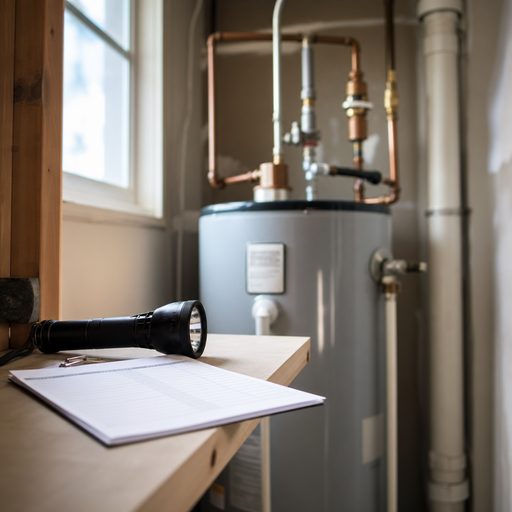
How Often Should Your Home's Plumbing Be Inspected?
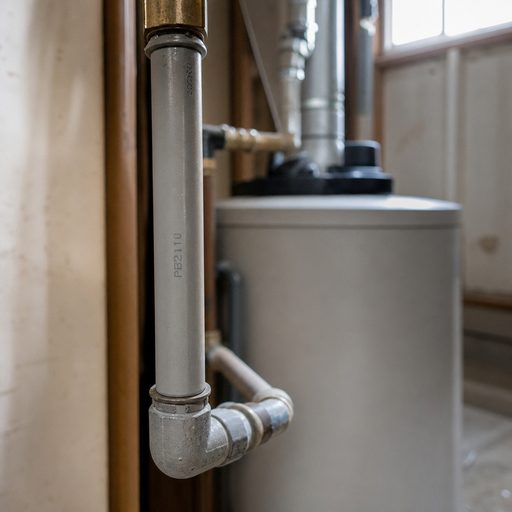
What Is Polybutylene Pipe and Should You Replace It?
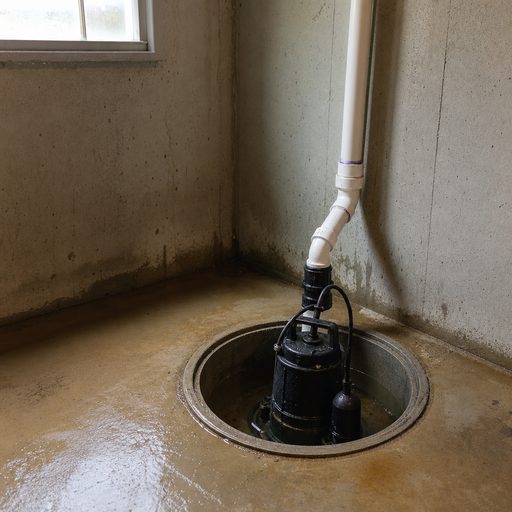
Why Is My Sump Pump Running When It's Not Raining?
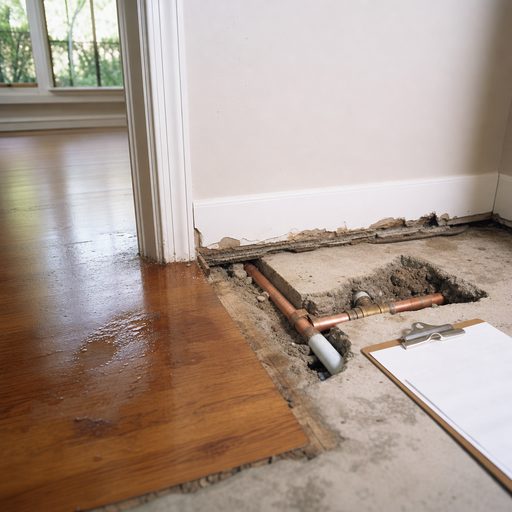
Does Homeowners Insurance Cover Slab Leak Repair?
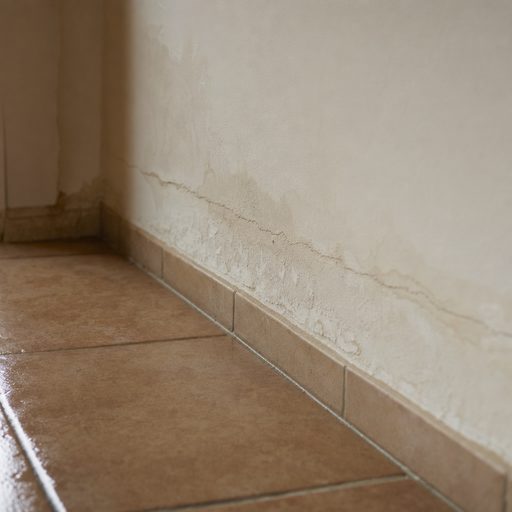
Why a Slab Leak Is an Emergency and the Risk of Waiting
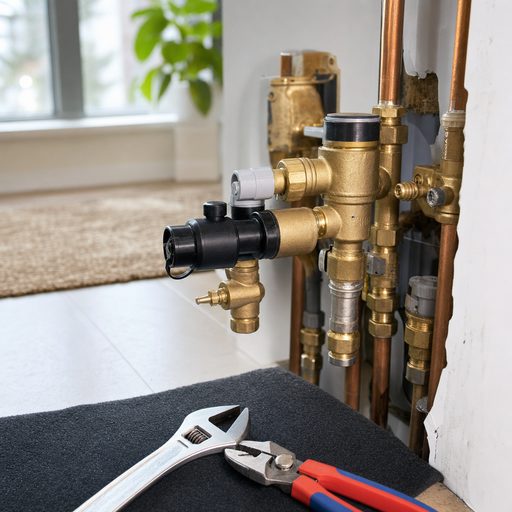
What Happens After a Leak Is Found
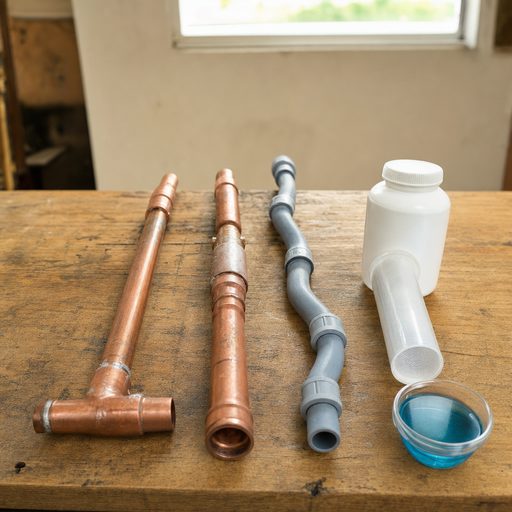
Slab Leak Repair Options: Spot Repair, Reroute, or Lining
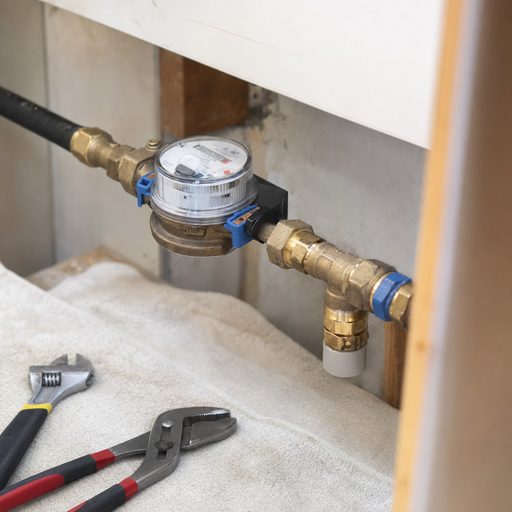
The Safe Water-Meter Leak Test, Step by Step
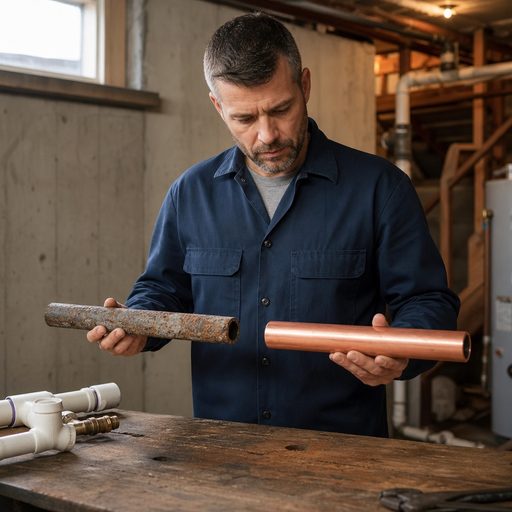
Pipe Repair vs. Section Replacement vs. Whole-Home Repipe
Need Plumbing Help Now?
Call Plumbing Advisors to connect with help for leaks, drains, water heaters, sewer lines, burst pipes, toilets, faucets, and more.
No-obligation request · Availability varies by location and provider