 Plumbing Advisors Editorial TeamEditorial StandardsUpdated July 5, 2026Source-Checked
Choosing between a single pipe repair, section replacement, or a whole-home repipe depends on the cause and extent of your plumbing issues. Spot repairs target local problems, section replacements resolve repeated or widespread but contained damage, while repiping addresses systemic pipe failure. Matching the scale of fix to the underlying issue avoids both wasteful overspending and unreliable patch-jobs.
When Does a Targeted Pipe Repair Make Sense?
A targeted repair addresses one specific failure point in your plumbing, like a pinhole leak, burst fitting, or a short cracked pipe. Plumbing pros often use repair couplings, slip fittings, or soldered copper patches (for copper pipe) or SharkBite push-to-connect fittings (for PEX or copper) to make a precise fix. If the rest of the pipe run is in good condition—meaning minimal visible corrosion, no other leaks, and consistent pressure—this minimally invasive repair is a practical choice. Pipe materials like PEX or newer copper lines typically last decades, so isolated accidents happen without signaling wider trouble.
What Does Section Replacement Involve?
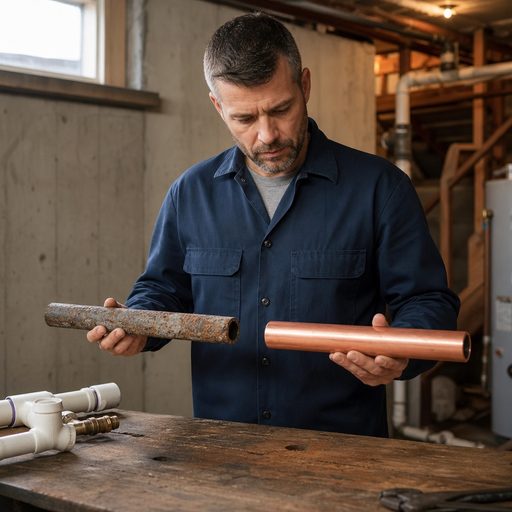
Section replacement involves removing a longer length of failed pipe—often several feet—and installing new material between existing connections. This is common when corrosion or leaks are limited to a single run, such as in an exposed basement line or under a bathroom. For copper, the professional will cut out the damaged section with a tubing cutter, removing all visibly corroded or pitted pipe. They’ll then join in new copper using soldered couplings or, sometimes, press-fit systems like Viega ProPress, which are popular in modern plumbing for cleaner, faster installs.
If your system uses PEX, a plumber can replace a section with new PEX piping using expansion or crimp tools and compatible fittings. Section replacement also lets you upgrade problematic segments—such as swapping out old polybutylene, which is notoriously failure-prone. This approach is costlier than a direct patch but usually much less disruptive and expensive than a full repipe, particularly if the issue hasn't spread. Always ensure the pro checks fittings and valves on either end to spot hidden wear or mineral buildup.
Is a Whole-Home Repipe Ever Worth It?
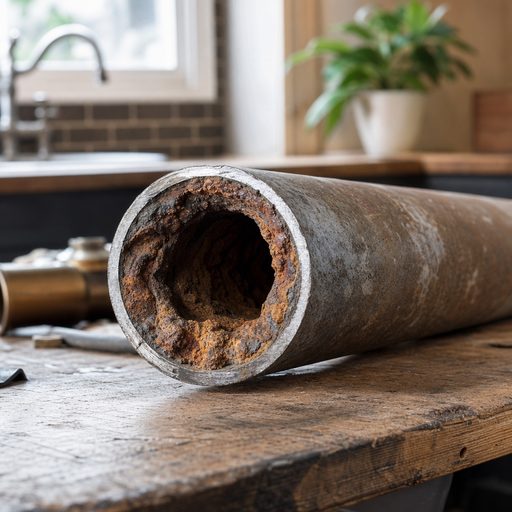
A whole-home repipe involves replacing every main water supply line (and sometimes branch lines) throughout the house. This extensive job is usually only justified when telltale signs point to systemic failure. If your home has old galvanized steel or polybutylene pipes, frequent leaks in different spots, widespread corrosion, or water discoloration, a piecemeal approach won’t be reliable. Instead, a repipe ensures long-term safety and performance.
Modern repipes typically use PEX, CPVC, or type L copper (from brands like Uponor, Apollo, or NIBCO), each with advantages depending on your region’s water chemistry and layout. A pro will usually replace shut-off valves, supply lines, and install new manifolds as needed. Beyond eliminating chronic leaks, repiping improves flow, consistency, and water quality across the board. While it’s an undertaking, it’s the only solution when your system’s age, history, or code changes make repairs inefficient.
Key Pipe Components and Lifespans
- Copper supply pipes: Often last 50 years or more, but can develop pinhole leaks from corrosive water chemistry.
- PEX piping: Typically lasts 40-50 years, is flexible, and tolerates freeze expansion better than rigid pipe and scale buildup.
- Shut-off valves: Crucial for isolating leaks, generally replaced during section repairs or repiping (brands include BrassCraft, SharkBite).
- Fittings and couplings: Join pipes and are often the source of failure on older systems.
- Pipe insulation: Helps reduce freeze risk and pipe sweat, especially on runs through unconditioned spaces.
Major Cost Drivers for Each Approach
The scale of the repair is the biggest cost driver: materials, the amount of labor, how accessible your pipes are, and whether walls or floors need opening all matter. Targeted repairs only require materials for a small fix and minimal labor. Section replacement may involve more extensive shut-offs, draining, and potentially drywall work to access longer runs, especially in slabs or behind finished walls. Repiping can require several days, multiple access points, rebuilding wall sections, and large amounts of new piping and hardware.
Choice of replacement pipe material also impacts project complexity. PEX is generally easier and quicker to run in retrofits, while copper demands more precise installation and often higher material costs. Detailed regulatory codes may require permits or inspections, especially for full-system work—requirements vary by city and should be confirmed locally. For thorough breakdowns, see the guide How Much Does Pipe Repair Cost?
Permits and Plumbing Codes
Section replacements and whole-home repipes almost always require a permit. Local code will specify acceptable pipe types and installation methods. Failure to comply can result in fines or trouble at resale—always confirm what your local regulations demand.
How Pros Evaluate Your Plumbing System
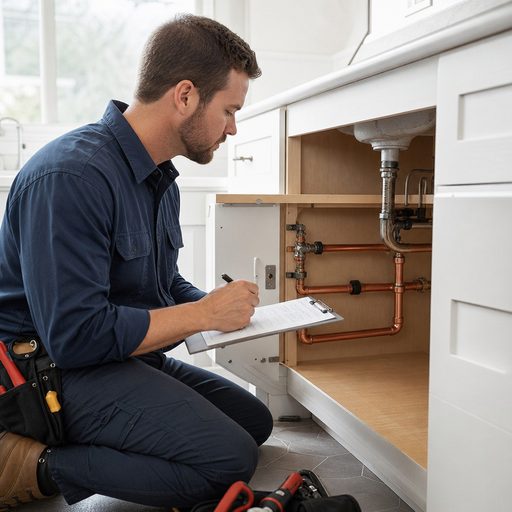
When called in, a plumber conducts more than a basic leak fix. They’ll visually inspect all accessible piping (often in basements, crawl spaces, and behind access panels) for corrosion, green or white mineral scale, pitting, or bulging. They may use moisture meters or infrared thermography to locate hidden leaks or dampness in walls. Most will check water pressure at various fixtures to find drop-offs that suggest restricted or failing lines.
Professional diagnostic tools might also include ultrasonic listening equipment for hidden leaks or pipe cameras for inspecting behind walls and under slabs. Plumbers review the home’s plumbing material—copper, PEX, galvanized steel, CPVC, etc.—since some age and fail more rapidly. Components like pressure reducing valves (PRVs), isolation valves, and pipe supports are checked as well. For a deeper dive, see our Leak Detection and What Damages Home Pipes: Corrosion, Pressure, and Water Chemistry guides.
Red Flags That Mean It's Time to Repipe
- Recurring leaks in different areas, not limited to one visible spot.
- Sudden drops in water pressure throughout the home.
- Rusty, discolored, or odd-smelling tap water.
- Visible corrosion or white buildup on copper joints and fittings.
- Older piping material known for failure: galvanized steel, polybutylene, or early-generation CPVC.
- Extensive repairs stacking up, costing almost as much as a repipe.
If any combination of these symptoms appears, targeted fixes become a temporary solution at best. Chronic problems stem from pipes nearing end-of-life, and while a repair might buy some time, system-wide issues never resolve themselves. If you’re unsure, a professional assessment will reveal whether your whole system is at fault or only a few connections.
How to Decide: Repair, Replace a Section, or Repipe?
A professional should always explain both how and why a failure occurred. This context lets you choose smartly between a cheaper repair, a partial replacement, or a comprehensive repipe. For budget guidance, the related cost guide provides typical ranges and breakouts, and our Pipe Repair and Repiping services help connect you with a local pro.
Check Insurance and Warranties
Sometimes homeowners' insurance or home warranties cover pipe failures, especially if the damage is sudden and accidental. Always check your policy before authorizing major repairs or a full repipe. Coverage and exclusions vary—look for clauses on 'gradual damage' from corrosion or neglect.
Preventing Future Pipe Problems
Annual or biennial professional inspections can spot issues before they turn into breakdowns, especially in older homes. Have an expert check not just visible lines, but also valves, tees, elbows, and water heater connections. Read our guides on How Much Does Pipe Repair Cost? and What Damages Home Pipes for actionable tips on upkeep and prevention.
What to Expect When a Pro Visits
A plumber starts with a whole-house inspection, tracing both visible and hidden pipes. They’ll ask about water pressure changes, leaks, and any recent repairs. Access panels may be opened, and they’ll use tools such as tubing cutters, soldering torches, PEX expanders, or press-fit jaws (depending on your system) to inspect and repair or replace piping. Expect water to be shut off for a portion of your visit.
If repiping is the solution, a detailed plan is made for routing new pipes, minimizing disruption, and coordinating wall, floor, or ceiling access. Most pros will provide a scope of work first, listing affected rooms, materials, and timeline. Cleanup, drywall patching, and fixture reconnections are generally included at the end of the job. Throughout, clear communication about reasons for repairs, section replacement, or repipe is standard.
How do I know if my home needs a full repipe instead of just a repair?
You may need a whole-home repipe if leaks are appearing in different locations, if your water is discolored, pressure is dropping throughout the system, or your pipes are an outdated material like galvanized steel or polybutylene. A professional inspection looks for these warning signs and can confirm if smaller fixes will hold.
Can I replace just part of my pipe and leave the rest?
Yes, section replacement is common when only part of a run has failed, such as where corrosion or leaks are isolated. It can be cost-effective if the rest of your plumbing is sound and made from durable materials. It’s always important to have the rest of the run checked for early signs of similar problems.
What parts are usually swapped during a section replacement or repipe?
Along with pipe itself (copper, PEX, or CPVC), pros typically replace shut-off valves, fittings like elbows and tees, and sometimes hose bibbs or manifolds. In older systems, dielectric unions may be added to prevent future corrosion at metal transitions. Proper component selection ensures code compliance and longevity.
Will I need to move out during a whole-home repipe?
Rarely. While water may be shut off during working hours, most repipe projects are phased to keep essential systems working as much as possible. You might be without water for short periods, but full evacuation is uncommon unless major restoration work (like flooring or widespread wall repairs) is required.
How long do pipe repairs or repipes usually last?
A single targeted repair typically lasts as long as the surrounding pipe—often years if the system is healthy and the cause was truly isolated. Section replacements last decades with quality materials. Whole-home repipes, especially with copper or PEX, should provide 40–50 years or more of trouble-free use, barring water chemistry issues or physical damage.
Sources and further reading
These references support material safety, technical, consumer, or planning guidance in this article. Confirm property-specific requirements with the applicable authority and professional.