 Plumbing Advisors Editorial TeamEditorial StandardsUpdated May 6, 2026Source-Checked
Your water meter does more than tell the utility how much to bill you. It is also one of the most useful tools you have for catching a hidden leak early and for understanding where your water is going. Most homeowners never give it a second glance, yet learning to read it takes only a few minutes and can save you from a surprising bill or quietly mounting water damage. Once you know how to find your meter and interpret what it shows, you can run a simple test that reveals whether water is escaping somewhere in your system, all without any special tools.
Finding Your Water Meter
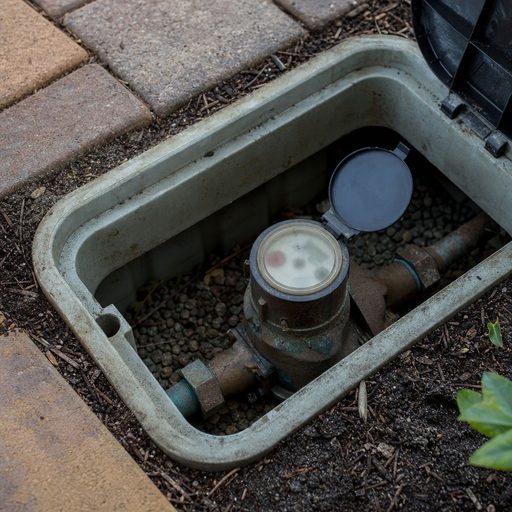
Water meters are usually located near the street or sidewalk, often inside an underground box with a metal or plastic lid that you can lift off. In some regions, particularly where freezing is rare, the meter sits at the edge of the property; in colder climates it may be indoors, in a basement or utility area near where the water line enters the home. Lift the lid carefully, since insects or debris sometimes collect inside, and you may need to wipe off the cover glass to see the dial clearly. If you cannot locate your meter, your water utility can tell you where it is.
Reading Analog and Digital Meters
Meters come in two general styles. An analog meter looks much like an odometer, with a row of numbers and a large sweep hand that moves as water flows. A digital meter shows the reading on a screen and may require you to shine a light on it or press a button to wake it up. Either way, the main number tells you the total volume of water used since the meter was installed, and the difference between two readings tells you how much you have used in between.
- On an analog meter, read the large odometer-style numbers from left to right for your total usage.
- The large sweep hand typically measures smaller increments, completing a full circle as a set amount of water passes.
- On a digital meter, note the total reading shown, and look for a separate flow-rate display if your model offers one.
- Write down the reading along with the date so you can compare it later and track usage over time.
The Leak Indicator and the All-Water-Off Test
Many meters include a small leak indicator, often a tiny triangular, star-shaped, or dial-like marker that spins whenever water is moving through the meter, even slowly. This little detail makes the meter a powerful leak detector. To run the test, turn off every fixture and water-using appliance in the home, including ice makers and irrigation, so that no water should be flowing at all. Then watch the leak indicator and note the meter reading. If the indicator is still turning, or the reading changes after an hour or two with everything off, water is escaping somewhere, which strongly suggests a hidden leak.
Make sure everything is truly off
Before you trust a meter test, double-check that no water is running anywhere, including a refrigerator's ice maker, a recirculating pump, a water softener cycling, or an automatic sprinkler system. A single overlooked source can make it look like you have a leak when you do not. The test tells you that water is moving, but it will not tell you exactly where.
Understanding Billing Units
Your bill measures water in units that may not match what you see on the meter at first glance. Many utilities bill in gallons, while others use cubic feet or hundreds of cubic feet, and your meter face usually notes which unit it tracks. Comparing your own readings over time helps you understand normal usage for your household and makes an unusual spike easy to spot. If your bill suddenly jumps without any change in habits, the meter is the first place to look for an explanation.
When to Call a Professional
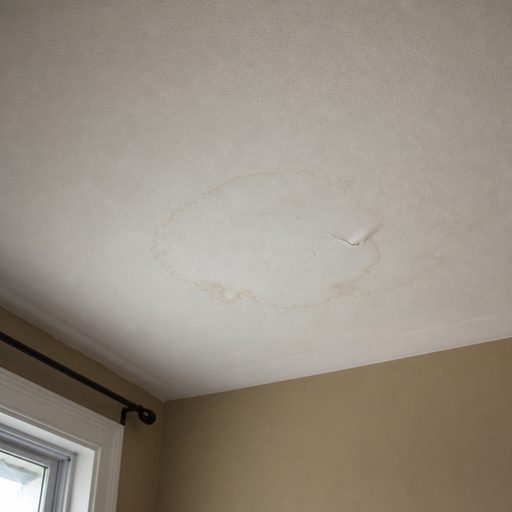
If your meter test points to a leak but you cannot see where the water is going, resist the urge to open walls or dig, since you can easily cause more damage or miss the true source. Professional leak detection services use specialized acoustic, moisture, and thermal tools to pinpoint a leak without unnecessary demolition, and from there plumbing repair can fix the line and confirm the rest of the system is sound. Acting early keeps a small leak from quietly driving up your bill and damaging your home. For more on the warning signs and safe checks, see our guide on how to find a hidden plumbing leak, and if the numbers caught you off guard, our guide on why your water bill suddenly increased explains the most common reasons.
Sources and further reading
These references support material safety, technical, consumer, or planning guidance in this article. Confirm property-specific requirements with the applicable authority and professional.