 Plumbing Advisors Editorial TeamEditorial StandardsUpdated July 25, 2026Source-Checked
Not every leak announces itself with a dripping faucet. Some of the most damaging leaks happen out of sight, inside walls, above ceilings, or beneath a concrete slab, where they can quietly rot framing, ruin insulation, breed mold, and inflate your water bill for months before you ever notice. Learning to spot the early signs of a hidden leak, and running a few safe checks, can help you catch a problem while it is still small and avoid a much larger and more expensive repair down the road.
Signs You May Have a Hidden Leak
Hidden leaks tend to reveal themselves indirectly through the damage they cause and the water they waste rather than through visible dripping. If you notice several of the clues below, especially more than one at the same time, it is worth investigating further or bringing in a professional to take a closer look.
- A water bill that climbs without any clear change in your household usage.
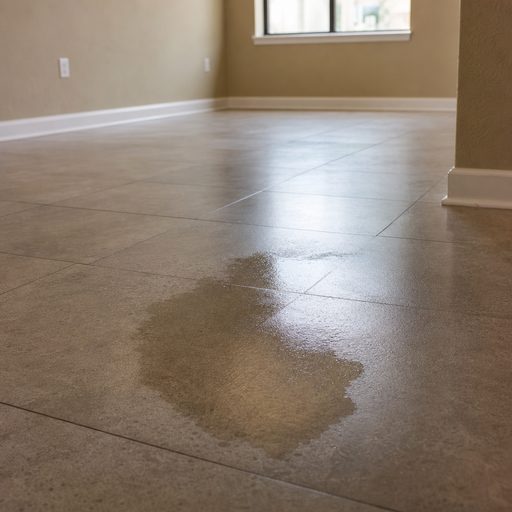
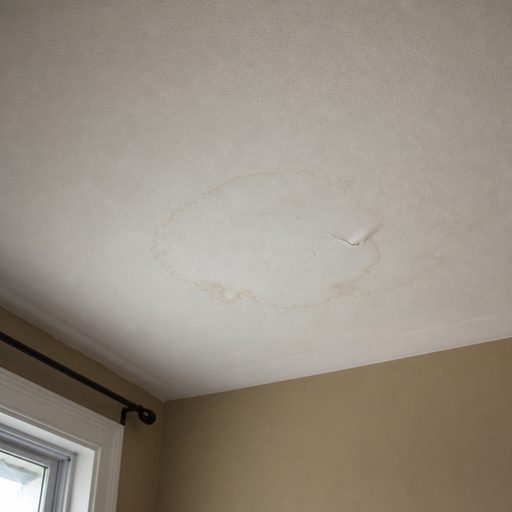
- Stains, bubbling paint, peeling wallpaper, or warped surfaces on walls, ceilings, or floors.
- A persistent musty smell or visible mold concentrated in one specific area.
- The faint sound of running or trickling water when everything is turned off.
- Warm spots on the floor, which can indicate a hot water line leaking beneath a slab.
- Low water pressure that develops gradually with no other obvious explanation.
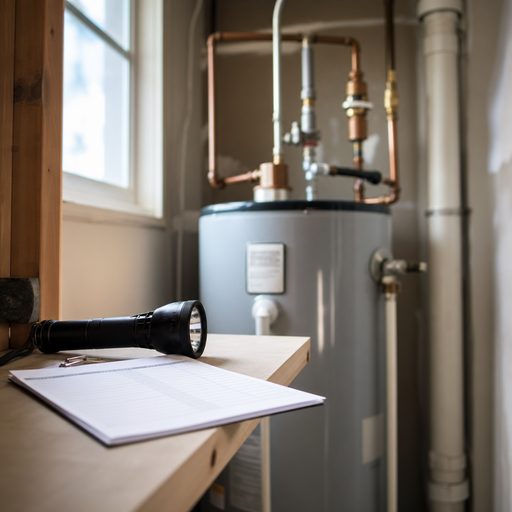
- A water heater that runs more often than usual, hinting at a hot water line leak.
A Simple Meter Test You Can Do
One of the most reliable do-it-yourself checks uses your water meter. Turn off every fixture and water-using appliance in the home, including ice makers and irrigation, then find your water meter and note the reading or the position of the small leak-indicator dial. Wait one to two hours without using any water at all, then check the meter again. If the reading has changed during that time, water is moving somewhere it should not be, which strongly suggests a hidden leak. This test reliably tells you that a leak exists, though it will not tell you exactly where the leak is hiding.
Know where your main shutoff is
Before you investigate any leak, locate your main water shutoff valve so you can stop the flow quickly if you discover active water damage. Shutting off the water is a safe first step, but leave opening walls, ceilings, or floors to a professional with the right tools.
What the meter test can and cannot tell you
Movement at the meter during a true no-use period shows that water is passing through the meter, but it does not locate the loss. A toilet fill valve, irrigation controller, water softener cycle, ice maker, humidifier, or another automatic device can create legitimate movement if it was not isolated. The test is strongest when every fixture and appliance is accounted for and the result repeats. A still meter also does not rule out an intermittent leak, a drain leak, roof water, or condensation.
Use location clues without opening the building
| Clue | Possible direction | Safe observation |
|---|---|---|
| Meter moves with all known water use off | Pressurized supply, fixture, irrigation, or automatic equipment leak | Repeat the test and note which shutoffs change the result |
| Stain changes after one fixture is used | Fixture connection, drain, overflow, or seal | Stop using that fixture and document where moisture appears |
| A floor feels warm and the hot-water system cycles | A possible hot-water leak below or within the floor | Avoid demolition and arrange leak detection |
| Musty area but the meter stays still | Intermittent drain leak, roof water, groundwater, or condensation | Track weather and fixture use and use a moisture meter if available |
How noninvasive leak detection works
A leak-detection visit may combine moisture mapping, acoustic listening, thermal imaging, pressure isolation, meter observations, and targeted fixture testing. No single tool identifies every leak. Thermal images show temperature differences rather than water itself, and acoustic tools work best on pressurized lines with a useful sound path. The technician should explain which test supports the proposed opening or repair so that walls and floors are not removed on a guess.
When to Call a Professional
If your meter test points to a leak but you cannot see the source, resist the urge to open walls or break into flooring yourself, since you can easily cause more damage or miss the true location entirely. Professional leak detection services use specialized acoustic, moisture, and thermal imaging tools to pinpoint a leak without unnecessary demolition. From there, pipe repair can fix an accessible line, and slab leak repair addresses leaks hidden beneath concrete. Acting promptly not only stops the waste of water but also limits the secondary damage that hidden moisture causes to framing, flooring, and drywall over time. If you suspect the leak is under your foundation, our guide on the signs you may have a slab leak covers exactly what to watch for and what to do next.
Does a moving water meter always mean a pipe is leaking?
No. Toilets, irrigation, softeners, ice makers, humidifiers, and other automatic equipment can use water during the test. Account for them, repeat the no-use period, and then investigate persistent movement.
Can the meter detect a drain leak?
Not directly. The meter measures incoming supply water. A drain may leak only while a fixture is used, so the meter can stay still between uses.
Can a thermal camera see water inside a wall?
A thermal camera shows surface temperature differences that may be consistent with moisture or hot-water movement. Insulation, air leaks, sunlight, and heating systems can create similar patterns, so another test should confirm the finding.
Should I open the wall where a stain appears?
Not as a first step. Water can travel along framing and appear away from the source. Isolate fixture use, document the moisture pattern, and use targeted detection before opening finished materials.
Sources and further reading
These references support material safety, technical, consumer, or planning guidance in this article. Confirm property-specific requirements with the applicable authority and professional.
- U.S. EPA WaterSense: Fix a Leak Week meter and fixture checks
- U.S. EPA WaterSense: Leak detection and flow monitoring devices
- U.S. EPA WaterSense - Home maintenance
- MedlinePlus - Drain cleaner poisoning
- U.S. EPA - Household hazardous waste
- U.S. Department of Energy - Water heating
- U.S. Department of Energy - Water-heater selection guide