 Plumbing Advisors Editorial TeamEditorial StandardsUpdated April 22, 2026Source-Checked
Plumbing problems can feel alarming when they appear, but the truth is that most household repairs fall into a handful of familiar categories. Knowing the usual suspects helps you describe a problem clearly when you call for help, judge how urgent it is, and understand which issues are safe to simply look at versus which call for a professional. None of these require you to take anything apart yourself, but recognizing them takes some of the worry out of the moment and helps you act sensibly rather than guessing.
Everyday Repairs You Are Likely to See
The most common repairs tend to involve fixtures you use every day, where ordinary wear eventually causes a small part to leak, stick, or stop working. These are usually contained problems rather than emergencies, though they can waste water and money if you ignore them. The list below covers the issues homeowners run into most often.
- A running or constantly refilling toilet, often caused by a worn flapper or fill valve inside the tank.
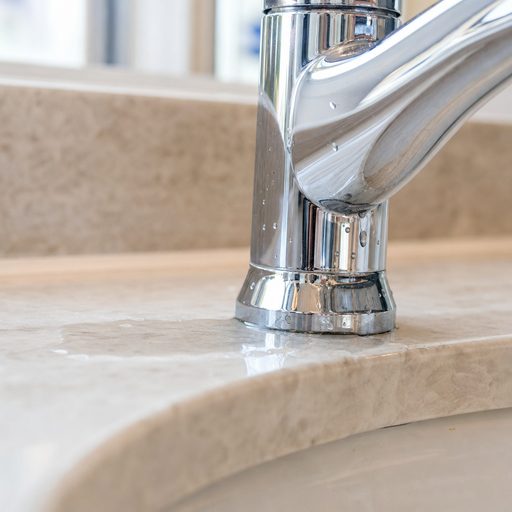
- A dripping faucet, usually from a worn washer, cartridge, or seal that has aged out.
- A slow or clogged drain, most often from hair, grease, or soap buildup in the trap below a fixture.
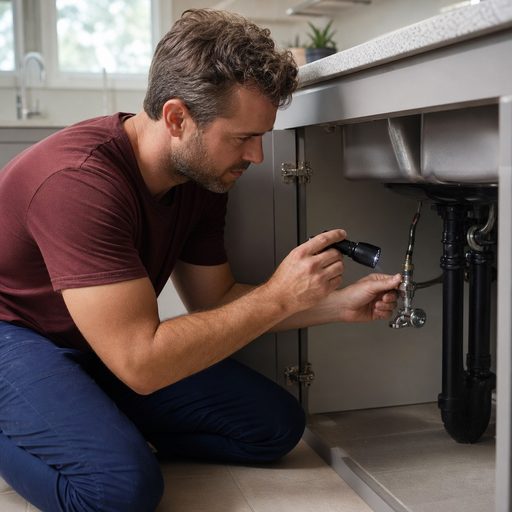
- A leaking shutoff valve or supply line under a sink or behind a toilet, where small connections loosen or corrode over time.
- Low water pressure at a single fixture, which can be as simple as a clogged aerator.
- A garbage disposal that hums but will not turn, often jammed rather than truly broken.
Repairs That Hide Out of Sight
Some repairs are less visible because the problem lives inside a wall, under a floor, or out at the main line, and these tend to be more serious. A hidden pipe leak may show up only as a damp spot, a musty smell, or a water bill that climbs for no obvious reason. A main drain or sewer issue can cause several fixtures to back up at once. Because these problems are harder to see and easy to underestimate, they often need professional diagnosis rather than a quick visual check, and catching them early can prevent costly damage.
Skip the chemical drain cleaners
When a drain slows down, it is tempting to reach for a bottle of chemical drain cleaner, but these products can corrode pipes, damage seals, and create dangerous fumes while often failing to clear the real blockage. Avoid them. A plunger or cleaning the visible stopper is the safe homeowner step; anything more stubborn is a job for a professional.
Which Problems Tend to Be Urgent
Most everyday repairs are not emergencies and can wait for a scheduled appointment, especially if you can stop using the affected fixture in the meantime. The picture changes when water is actively spreading and you cannot stop it, when sewage backs up into the home, or when you have no water at all. Those situations call for prompt help rather than a routine booking. The simplest test is whether you can isolate the problem and keep it from causing damage while you arrange for a plumber; if you can, you usually have time on your side.
When to Call a Professional
Once a problem moves past simple homeowner steps, or whenever a leak is hidden inside a wall, ceiling, or floor, professional plumbing repair is the safe way to fix it correctly and check for related trouble, and a broader plumbing service can address several issues in one visit. Before you call, our guide on safe checks to do before calling a plumber covers the harmless steps worth trying first, and if you want to understand how repairs are priced, our guide to what common plumbing repairs cost explains what shapes the bill.
Sources and further reading
These references support material safety, technical, consumer, or planning guidance in this article. Confirm property-specific requirements with the applicable authority and professional.