 Plumbing Advisors Editorial TeamEditorial StandardsUpdated July 5, 2026Source-Checked
Deciding whether to repair or replace a plumbing fixture—like a faucet, toilet, or shutoff valve—depends on the fixture’s age, condition, repair history, and the potential for future issues. While a simple fix can extend a fixture’s life, in many cases, replacing worn-out or outdated fixtures ultimately offers better reliability and efficiency. Below, we’ll cover the key factors to help you confidently choose between repairing and replacing your plumbing fixtures.
How Do You Decide Between Repair and Replacement?
The decision to repair or replace a plumbing fixture starts with an honest assessment of its overall condition and the specific issue at hand. If a minor part—like a faucet cartridge, flapper valve, or fill valve—is responsible for a straightforward problem, a repair can be quick and economical. But if the fixture is showing signs of age, corrosion, frequent breakdowns, or water damage, it’s wise to consider a replacement. A reliable plumber will inspect not just the visible problem but also related components, and they may point out hidden risks such as mineral buildup or worn out connections that could lead to future leaks or failures.
When Is Repair the Right Call?
Repair usually makes sense if the fixture is structurally sound, isn’t leaking from the body itself, and the issue comes down to a single, accessible part. For example, replacing the flapper in a running toilet, swapping out a leaky fill valve, or fixing a faucet’s cartridge or aerator all fall under quick, cost-effective repairs. These targeted part swaps are common for relatively modern fixtures from brands like Moen or Delta, where parts are easily sourced.
- The problem involves a single internal part such as a cartridge, flapper, or gasket.
- Replacement parts from the original manufacturer (like Kohler or American Standard) are available.
- There is no visible corrosion or cracking in the body of the fixture.
- Water pressure and performance remain strong after the repair.
Signs That a Fixture Should Be Replaced
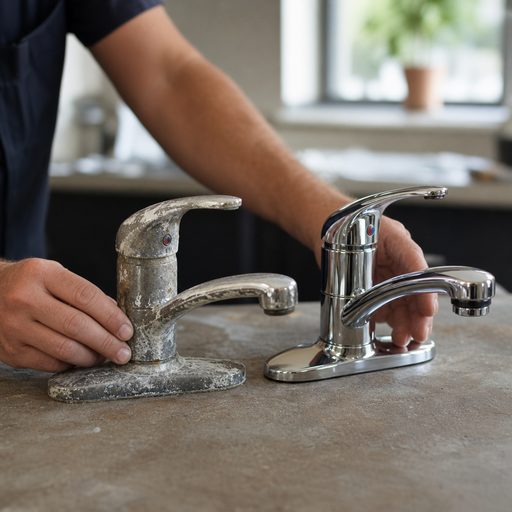
Certain warning signs signal it’s better to replace a fixture than to continue patching it. If you notice rust, pitting, or mineral buildup on surfaces or at joints—even after repairing the original issue—these indicate the material is deteriorating. Additionally, if a fixture has needed multiple repairs in recent years, underlying wear may make it more prone to future leaks or failures.
Another key replacement trigger: the fixture is obsolete, and replacement parts are unavailable or difficult to source. For example, very old faucets or toilets sometimes use discontinued parts or designs. In that case, even brand-name fixtures (such as those from older Eljer or Gerber lines) become costly and unreliable to keep in service. Also, if a toilet or faucet shows cracks in porcelain, persistent leaks around valves or supply lines, or corrosion at the water connections, full replacement is the safer route.
Physical damage or persistent leaks? Replace ASAP.
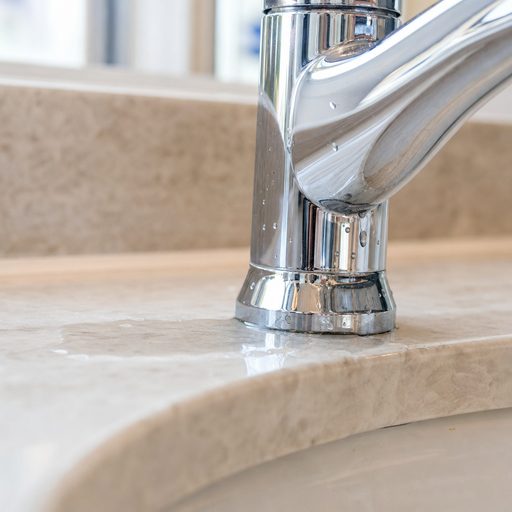
Leaks coming from the fixture’s body, a cracked porcelain tank or bowl, or corroded metal (like on a valve or faucet body) rarely respond to repair. Replacement eliminates the risk of water damage and future hassle—especially for aging shutoff valves (such as a worn angle stop or supply stop).
Key Parts: What Usually Fails First?
Knowing which parts are likely to fail in common fixtures helps you anticipate repair needs and make smarter decisions. In faucets, cartridges, washers, and aerators are typical culprits for leaks or drips. For toilets, flappers, fill valves, and wax rings are the most frequent sources of running, leaking, or wobbling problems. Shutoff valves may fail at the packing nut or start weeping where the valve meets the supply line or pipe.
Faucet cartridges (found in single-handle models from Moen and Delta) wear out after years of use, leading to drips or poor control. Toilet fill valves—especially plastic models—often become unreliable after 5-10 years. Wax rings, which provide the critical toilet-to-floor seal, can degrade over time and cause wobble or leaks. Regular inspection and prompt replacement of these smaller parts can save money and prevent water damage. For more on specific repairs, visit our Plumbing Repair service or refer to What Do Common Plumbing Repairs Cost?.
How Life Expectancy and Water Efficiency Affect the Choice
Modern replacements also offer improved water efficiency, lowering your bills and environmental impact. New toilets from brands like Toto, Kohler, and American Standard use less water per flush; similarly, updated faucets and valves often include flow restrictors or aerators for water savings. If your old fixture lacks these features, upgrading can reduce your home's water use while enhancing reliability.
When Repair Costs Rival Replacement
The price of labor and parts can be a deciding factor—especially when a fixture needs extensive work. If the cost of repair (including both part and labor) is a large fraction of a new fixture’s replacement cost, replacement usually wins out, especially if the job involves older, hard-to-service units. Keep in mind that opening walls or floors to access hidden fixtures (like embedded valves or supply connections) adds labor cost.
Extra repairs—such as replacing corroded supply lines, addressing water damage, or upgrading drain assemblies—can also tip the scales toward replacement. To compare scenarios, check the related cost guide and weigh not just the fixture’s part price, but also the time and complexity of the job. Discuss both options with your plumber, so you have a clear picture of the work involved and the long-term reliability outcomes.
Prevent costly future repairs with proactive replacement
If previous repairs haven’t held up, or if professional inspection finds corrosion, mineral deposits, or outdated parts, replacing the fixture can prevent future emergencies and more expensive damage. Don’t wait for a catastrophic leak to make the call—consider the fixture’s full service history and overall condition.
What to Expect During a Repair or Replacement Visit
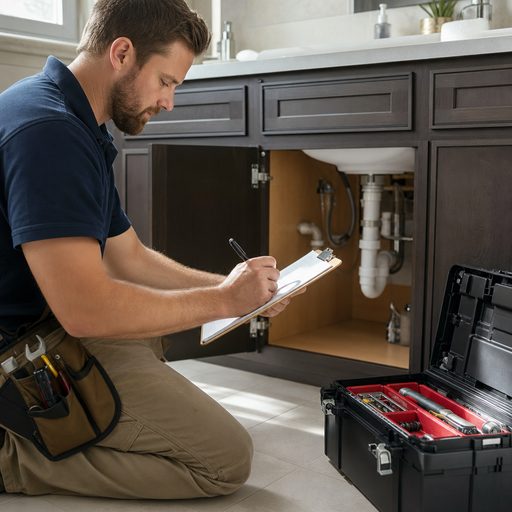
A plumbing technician will start by diagnosing the exact failure: they’ll inspect visible components (like cartridges, fill valves, or flappers) and check for less obvious issues such as hidden leaks, mineral buildup, or worn seals. They’ll review the fixture’s age, prior repairs, and overall performance to advise on whether a fix makes sense or replacement is warranted. Expect to see testing of water pressure and careful examination of shutoff valves, supply lines, and drain assemblies.
For repairs, the visit usually involves shutting off water to the fixture, swapping out faulty components (from brands like Moen, Delta, or Kohler), and checking related parts to ensure all are sound. Replacement jobs may include disconnecting old supply lines, removing caulk or mounting hardware, and installing the new unit according to manufacturer specifications. Especially for toilets, sinks, and valves, expect the plumber to test operation, check for leaks, and review any code requirements—building codes, which govern installation standards, can vary significantly by locality, so always confirm with your local authority.
Making the Best Long-Term Choice
Set aside a few minutes to weigh factors like fixture age, ease of getting compatible parts, your long-term plans, and additional savings from improved efficiency or reliability. For a big-picture view, refer to our related services: Plumbing Repair for expert help, and explore guides like What Do Common Plumbing Repairs Cost? and The Most Common Home Plumbing Repairs for detail on repair types and what to expect during a service visit.
- Confirm the fixture’s age, model, and prior repair history before deciding.
- Ask your plumber about part availability for your specific brand (Moen, Kohler, Delta, etc.).
- Look beyond the visible issue—request inspection of valves, supply lines, and seals.
- Factor in the benefits of new water-saving features when considering replacement.
- Use the related cost guide as a guide to compare scenarios for your situation.
Can a toilet always be fixed, or are there times when it must be replaced?
Not every toilet can be saved by repair. Visible cracks in the tank or bowl, repeated fill valve failures, or significant leaks at the base (often due to a failed wax ring or deteriorated porcelain) often call for replacement. However, small issues like flapper or fill valve problems are often easily repaired.
Do plumbing codes affect replacement vs. repair decisions?
Yes, some repairs or replacements—particularly for toilets, shutoff valves, and supply connections—are subject to local plumbing codes. Installation standards and allowed fixture types can vary, so any major fixture replacement should be reviewed with your plumber and confirmed with your local authority.
What are the most commonly replaced parts in faucets and toilets?
For faucets, cartridges, aerators, seals, and washers often fail first. In toilets, fill valves, flappers, and wax rings are commonly replaced. These parts are typically available from major brands like Moen, Kohler, or American Standard and swapping them can extend fixture life at a lower cost.
Should I replace supply lines and shutoff valves when replacing a fixture?
It’s wise to replace old or corroded supply lines and shutoff valves when installing a new fixture. This reduces the risk of future leaks and brings the connection up to current standards. Discuss replacement options for parts like angle stops or supply stops with your plumber during a fixture upgrade.
Sources and further reading
These references support material safety, technical, consumer, or planning guidance in this article. Confirm property-specific requirements with the applicable authority and professional.